
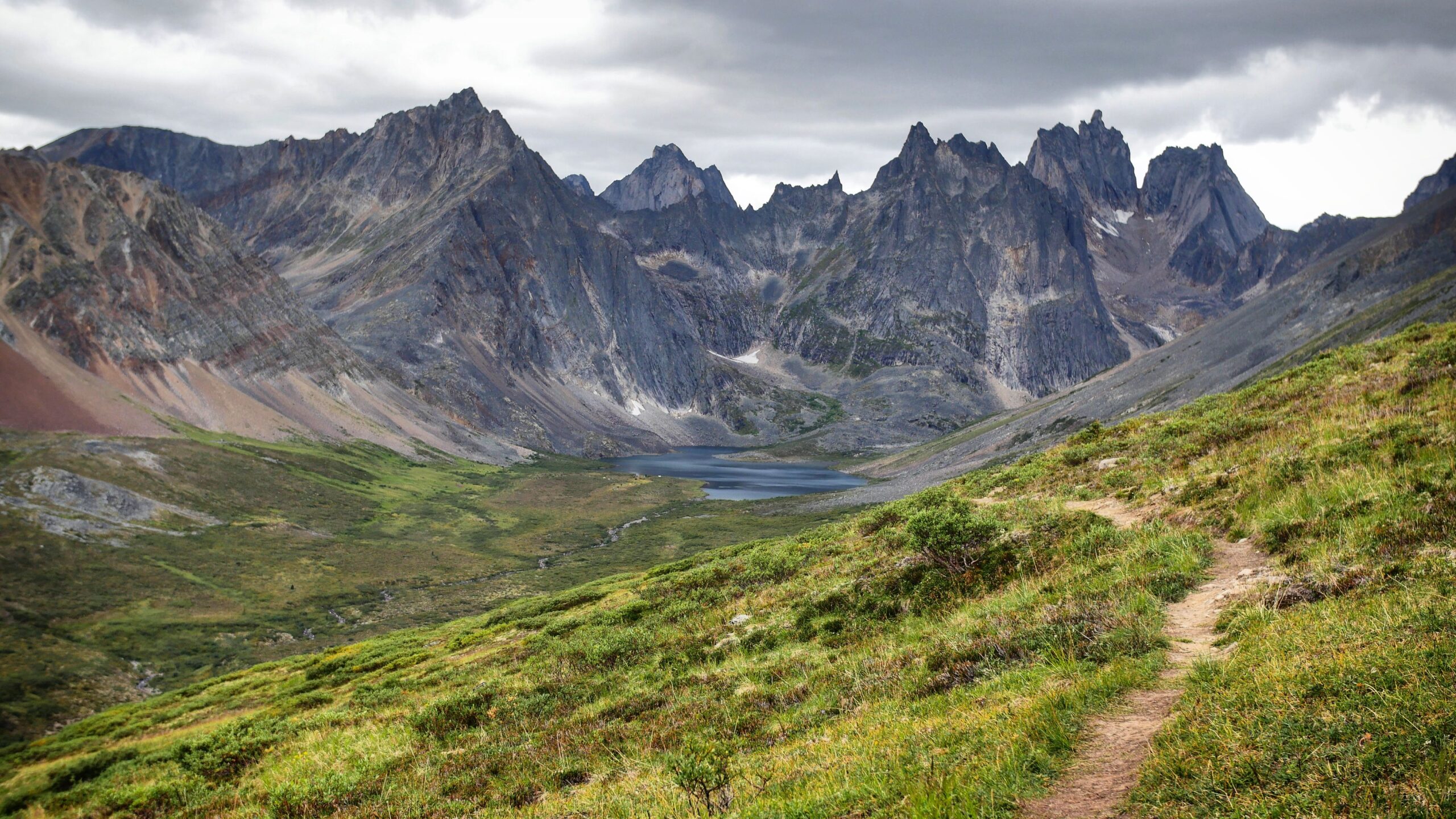
Birth of a legend: the beginning of the Klondike Gold Rush
on August 16, 1896, an event occurred that forever changed the history of northwestern North America. On that day, three prospectors – George Carmack, Jim Skookum and Charlie Dawson – discovered gold on Bonanza Creek, a creek that flows into the Klondike River in Canada’s Yukon Territory. This discovery started one of the largest gold rushes in human history, the Klondike Gold Rush.
News of the gold discovery spread lightning fast. In search of riches and a better life, thousands of adventurers headed north. Among them were people from all walks of life – farmers, laborers, sailors, doctors, lawyers and even former officials. All of them were united by a single goal – to find gold and get rich. According to historians’ estimates, in just a few years more than 100 thousand people traveled to the distant northern lands, although only about 30-40 thousand reached the final goal.
Routes to the gold mines: choosing the hard way
The path to the Klondike goldfields was incredibly difficult and dangerous. There were several main routes that gold prospectors could take:
Chilkoot Pass (Chilkoot Pass)
The most popular, albeit extremely difficult, route was the Chilkoot Pass route. This ancient indigenous trade route started from the port of Dyea in Alaska and led over a 1,146-meter mountain pass to Bennett Lake in British Columbia, where boats could be taken to the Klondike.
The total length of the Chilkoot Trail was 53 kilometers (33 miles), and the path was literally paved with suffering. Prospectors had to make numerous trips over the pass carrying tons of supplies, as Canadian police required each prospector to carry at least a ton of food and equipment – a year’s worth of supplies in the harsh conditions of the North.
Prospectors climbing the “Golden Ladder” at Chilkoot Pass, 1898 Wikipedia
One of the most grueling sections of the route was called the Golden Stairs, a steep ascent with steps carved into the snow and ice, which the prospectors climbed in chains, carrying heavy loads on their backs. This famous climb became a symbol of the incredible endurance and determination of those who went in search of gold.

White Pass
An alternative route was the White Pass, which also began on the Alaskan coast, but from the port of Skagway. This route was longer (approximately 45 miles versus the 33 miles of the Chilkoot Trail), but had a gentler ascent and less elevation. However, the route through White Pass had its difficulties – during the fall months, the trail became an impassable swamp, causing many pack animals to die. It is no coincidence that the trail earned the grim nickname “Dead Horse Trail.”
Historic photo of White Pass. HistoryNet
In 1898, at the height of the gold rush, construction began on the White Pass and Yukon Route narrow gauge railroad to facilitate access to the goldfields. The railroad was built in record time and opened by 1900, connecting the town of Skagway on the coast to Whitehorse in the Yukon. By this time, however, the peak of the gold rush had passed.
A water route across the Yukon River
There was also a third route, the water route. It started at the port of St. Michael on the west coast of Alaska and went up the Yukon River. It was a longer but less grueling route, especially for those who could afford to travel by steamboat. However, it had a significant disadvantage – the Yukon River froze over for many months and the route became impassable in winter. In addition, before the development of steamboat service, it was an extremely long route.
The hardships of the journey and the struggle for survival
The journey to the gold mines was a true test of human endurance and fortitude. Gold prospectors had to overcome numerous obstacles:
Harsh climate and natural conditions
The northern territories of Canada and Alaska were known for their harsh climate. In winter the temperature could drop to -50°C, blizzards and snowfalls made it almost impossible to move. In summer, the gnarly gnats and swampy terrain became a breeding ground for various diseases.
“Each man (there were few women in Dawson at first) had to build his own shelter for the winter and then endure seven months of cold, darkness, disease, isolation and monotony,” historical records show.
The demands of the Canadian authorities
To avoid mass deaths of unprepared gold prospectors, Canadian authorities imposed a rule: anyone who crossed the border to mine for gold had to carry a year’s supply of food and equipment weighing about a ton. Among the obligatory items were flour, dried meat, beans, tea, sugar, salt, tools for gold mining, warm clothes, a tent, a stove and much more.
Overcoming mountain passes
Overcoming the mountain passes Chilkut or Bely with a heavy load was a real feat. Because of the heavy weight of their equipment, prospectors had to make multiple trips back and forth, carrying only a small part of their belongings each time. Some made up to 40 hikes over the pass before they could carry their entire load.

Gold prospectors with a load on their way to the Klondike. National Park Service
Boat building and dangerous rafting
After reaching Bennett Lake, the prospectors had to build boats for the onward journey down the river. An entire temporary town of tents sprang up on the lakeshore, where thousands of people were simultaneously engaged in building watercraft. By the spring of 1898, some 7,000 boats and rafts had been built on the shores of Lake Bennett.
The next challenge was the dangerous river rafting, especially through White Horse Rapids and Five Finger Rapids. Many boats crashed, people drowned, and valuable cargo went underwater.
Life on the goldfields
The lives of those who managed to reach the Klondike were far from romantic notions of getting rich quick. A harsh reality awaited most adventurers:
The disappointment of many
By the time the main wave of gold prospectors reached the Klondike in 1897-1898, most of the good plots had already been claimed by the first arrivals. Many of the prospectors who arrived with such hardships found themselves without the opportunity to find their own gold plots. They had to be hired for a fee by more fortunate comrades or find other ways of earning a living.
The hard labor of a gold miner
Gold mining in permafrost conditions was extremely hard work. To reach the gold-bearing layer, miners had to burn or thaw the frozen ground with fires and then pick out the thawed ground. Work continued year-round, with gold panning in the summer and mining from the mines in the winter.

Living Conditions in Dawson City
The center of the Klondike gold rush was Dawson City, which grew like mushrooms after rain on the site of a small settlement. At the peak of the rush, up to 40,000 people lived there. Living conditions were very specific – wooden houses, dirty streets, high prices for all goods. At the same time, the city quickly acquired all the trappings of civilization – restaurants, theaters, banks, a library and even electric lighting.
“For those fortunate enough to find gold, there was nothing off limits. Many successful prospectors lived extravagantly,” historical sources note.
Yukon Gold Rush Trail Today
Today, historic gold prospectors’ trails have evolved into popular tourist destinations that preserve the memory of one of the most colorful episodes of North American exploration:
National Historical Parks
Both the United States and Canada have established national historical parks to preserve the legacy of the Klondike Gold Rush. The Klondike Gold Rush National Historical Park in Skagway, USA, and the Chilkoot Trail National Historic Site in Canada preserve the historical memory of those events.
Hiking trails on historic trails
The Chilkoot Trail today is a popular 53 kilometer hiking trail running from Dye, Alaska to Bennett, British Columbia. Each year, thousands of hikers follow in the footsteps of gold prospectors on a multi-day hike along the historic trail. Parks Canada and the United States strictly regulate the number of hikers on the trail by issuing a limited number of visitor permits.
White Pass & Yukon Route Railroad
The White Pass & Yukon Route narrow gauge railroad, built during the gold rush, now operates as a tourist attraction. Trains run between Skagway and the top of White Pass, offering tourists spectacular views and a chance to experience the spirit of the era.
Museums and historical displays
Dawson, Skagway and other towns in the region have museums and historical complexes that tell the story of gold rush events. Visitors can see authentic gold miners’ tools, historic photographs, documents and other artifacts from that era.
Legacy of the Klondike Gold Rush
Impact on the development of the region
The Klondike Gold Rush was a major boost to the development of the Yukon and Alaska. Roads were paved, bridges were built, and regular steamboat trips and telegraph communication appeared. In 1898, at the height of the gold rush, the Yukon Territory was established as a separate administrative unit within the Canadian Confederation with Dawson as its capital.
Cultural heritage
The events of the gold rush are reflected in numerous works of art. Jack London’s short stories, Robert Service’s poems, and Charlie Chaplin’s film The Gold Rush created a vivid image of the adventurer who traveled to the far North in search of riches.
The end of an era
The Yukon gold rush ended in 1899 when the discovery of gold in Nome, Alaska, diverted the attention of gold prospectors away from the Klondike area. Dawson’s population began to decline rapidly, and by 1902 only about 5,000 people remained in the town.
Author Information

I’m a journalist specializing in urban issues and city politics in the Vancouver region, which I’ve covered since 1994, and I also have a strong focus on the iGaming industry. In this endlessly changing city, I cover a broad range of issues: from drug policy, bike lanes, billion-dollar development projects, homelessness, and garbage debates, to the rapidly evolving world of online gaming, including regulatory landscapes, technological advancements, and market trends. I write frequently for the Globe and Mail’s B.C. section and Report on Business. From 2008 to 2015, I had a regular column in Vancouver magazine, “Urban Fix,” which apparently resonated with readers so much that it earned me a few regional and national awards.
