
Introduction
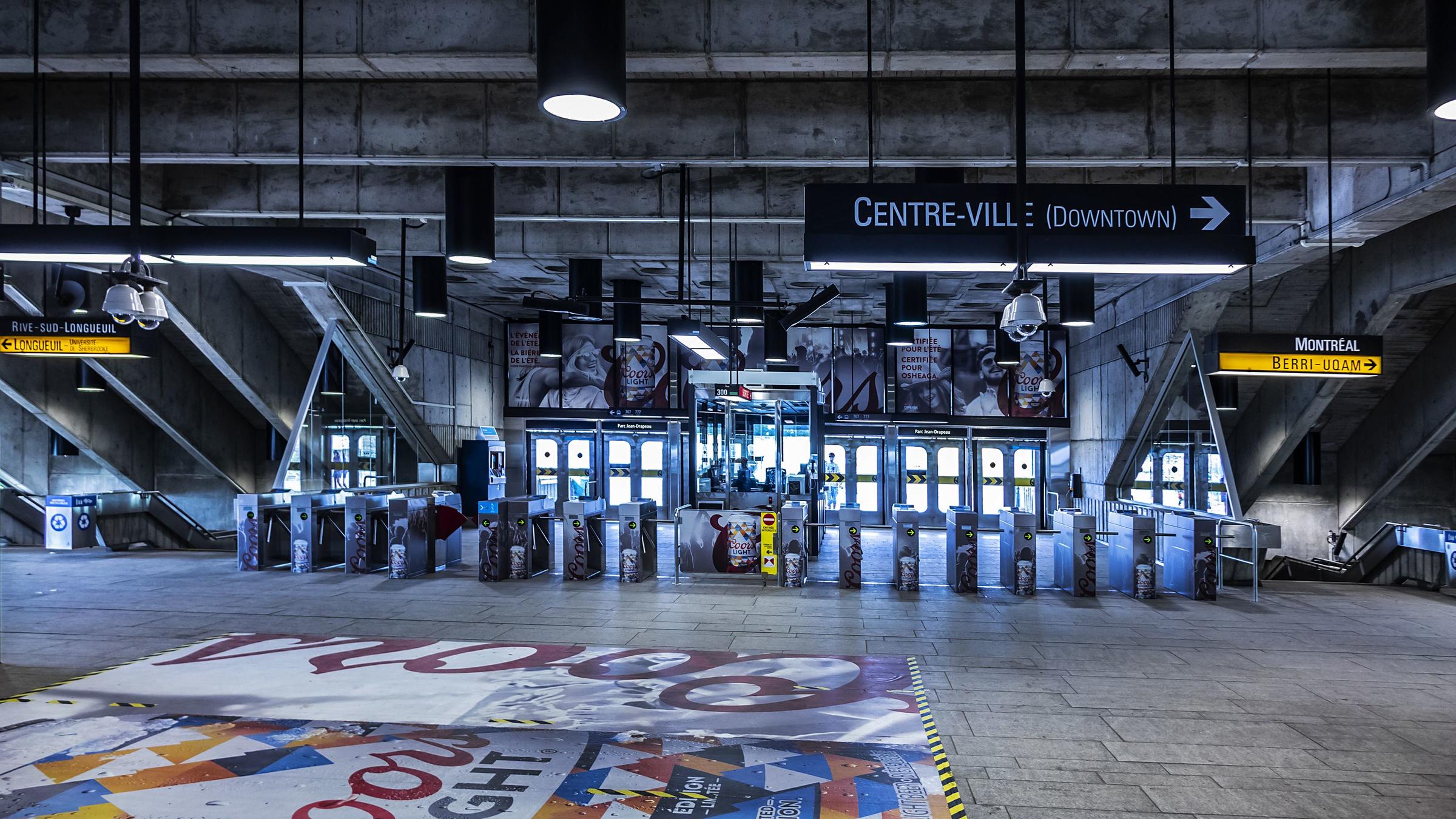
In the heart of Montreal, the largest city in the province of Quebec in Canada, beneath the busy streets and high-rise buildings lies a unique urban marvel – RÉSO, better known as the Underground City of Montreal. This grandiose underground network is not just a tourist attraction, but a real fully functional city underground, where life boils every day and hundreds of thousands of people spend a significant part of their time without coming to the surface. This is especially true in the harsh Canadian winters with their bitter cold and heavy snowfalls, or in the hot summer days with high humidity. Montreal’s underground city is a unique engineering solution for comfortable living in difficult climatic conditions and an impressive example of urban planning that is unrivaled in the world in terms of its scale and functionality.
History of creation and development of the underground city
The history of Montreal’s underground city begins in the middle of the 20th century and is closely connected with the name of urbanist Vincent Ponte, whose contribution to the creation of this unique complex was recognized with a commemorative plaque installed in 2006 on Place Ville-Marie.
The first segment of the underground city appeared in 1962 with the construction of the Place Ville Marie office tower and the shopping center beneath it. This construction was not just an experimental project – it had a specific purpose: to hide the unattractive railroad tracks located north of Grand Central Station. Two tunnels connected the new complex to Central Station and the Queen Elizabeth Hotel, beginning what would later become a massive underground network.
The real impetus for the development of the underground city came with the opening of the Montreal Metro in 1966, just before Expo 67. This historic event stimulated the construction of tunnels connecting the Bonaventure station with the Château Champlain hotel, the Place du Canada and Place Bonaventure office buildings, Central and Windsor stations. Thus the core of the underground city was formed. In parallel, the Square-Victoria-OACI station was connected to the Tour de la Bourse, the building of the Montreal Stock Exchange.
A significant factor contributing to the further development of the underground network was the policy of the Montreal Urban Transport Commission, which offered developers air rights over subway entrances through so-called “emphyteutic leases,” a lucrative way to acquire valuable downtown real estate. By the time the subway was launched in 1966, ten buildings were already directly connected to the stations, and development continued until only three freestanding subway entrances remained in the downtown segment.

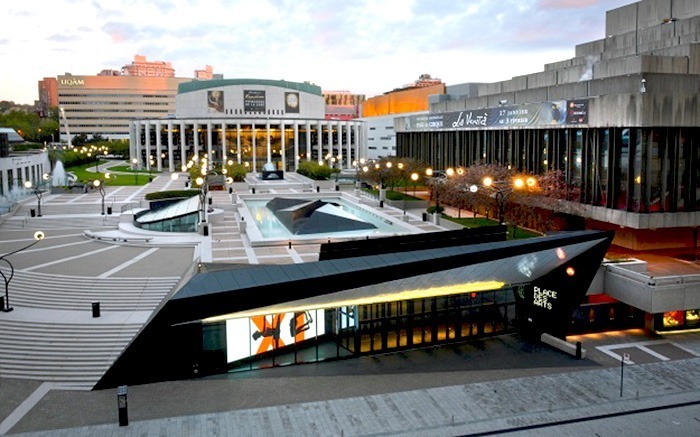
In 1974, the construction of the Complexe Desjardins office complex gave rise to the creation of a “second city center” in the underground space between the Place-des-Arts and Place-d’Armes metro stations via Place des Arts, Complexe Desjardins, the Complexe Guy Favreau federal government building and the Palais des Congrès conference center.
Between 1984 and 1992, the underground city expanded significantly with the addition of three major shopping centers near the Peel and McGill metro stations: the Cours Mont-Royal, Place Montréal-Trust and Promenades Cathédrale (built beneath Christ Church Cathedral). McGill station was already connected to The Bay, Eaton’s (now Complexe Les Ailes), Centre Eaton and two other office and retail complexes. Between 1984 and 1989, the length of the underground city increased from 12 kilometers to almost 22 kilometers of tunnels.
Megaprojects in the 1990s, including the construction of Le 1000 De La Gauchetière (Montreal’s tallest building), Le 1250 René-Lévesque and the Montreal World Trade Centre, further expanded the underground network. Although the commercial component in these buildings was of secondary importance, the connection to the underground city was used as an important advantage in the sale of office space. The construction of a tunnel between the Eaton Shopping Center and Place Ville-Marie united the two central parts of the underground city. And the construction of the Bell Center (originally Molson Centre) connected the Lucien-L’Allier metro station to the subway network and replaced Windsor Station with a new commuter rail station, Gare Lucien-L’Allier.
The most recent changes occurred in 2003 with the complete renovation of the Quartier international de Montréal (Montreal International Quarter), which connected several segments of the central part of the underground city with continuous pedestrian corridors. The construction of the ICAO headquarters connected Place Bonaventure to the Square-Victoria-OACI station, which in turn was connected to the Palais des Congrès and Place-d’Armes station via the new Caisse de dépôt et placement building and a tunnel under Place Jean-Paul Riopelle. A unique feature of the new tunnel sections in the International Quarter were educational and art exhibits sponsored by major Montreal museums.
As a result of these multi-year urban planning projects, it is now possible to walk through the entire downtown area, from the UQAM Sherbrooke Pavilion at the corner of Sainte Famille and Sherbrooke Streets to the Lucien-L’Allier subway station just southwest of the Bell Centre, without ever going to the surface – a distance of 1.7 kilometers in a straight line or approximately 3 kilometers on foot.
The architecture and infrastructure of the underground city
RÉSO is not just a network of tunnels, but a complete urban environment with its own unique architecture and infrastructure. The name “RÉSO” was given in 2004 when the central network of the underground city was rebranded. The word is a homophone of the French word “réseau” (network), and the “O” at the end symbolizes the Montreal Metro logo. Schematic maps with the RÉSO logo can be found throughout the network.
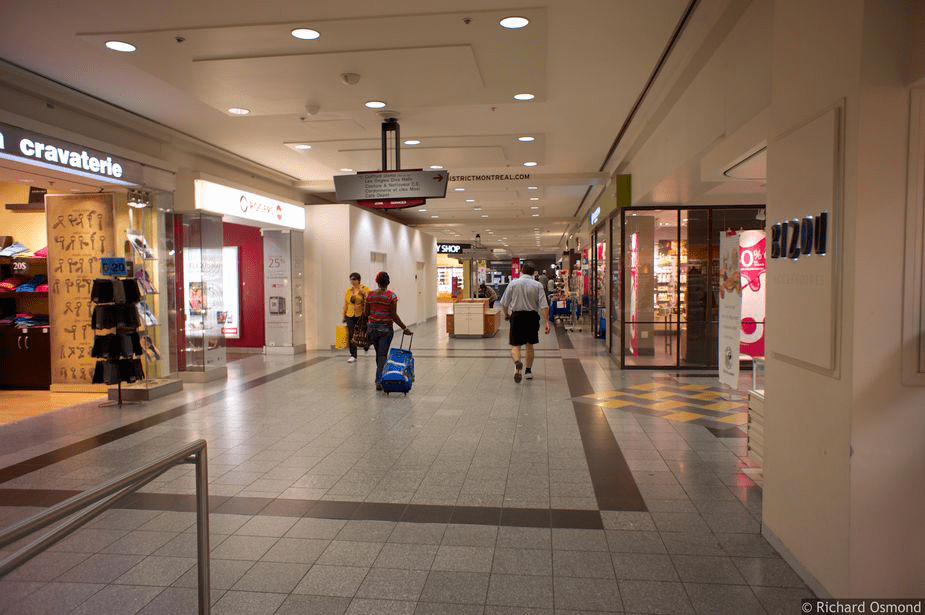
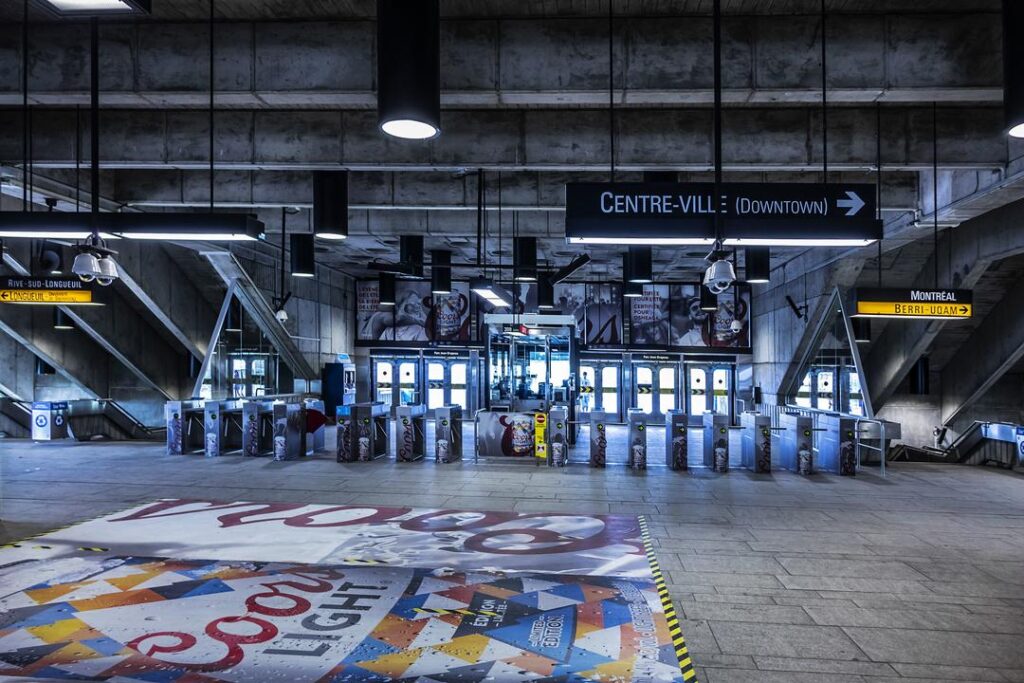
Although most of the connecting tunnels run underground, many key passageways and major access points are located at ground level, with one overhead bridge connecting the Lucien-L’Allier subway station and the Gare Lucien L’Allier train station. In this respect, the underground city is more of an inner city (ville intérieure) than a truly underground city, although extensive commercial sectors are indeed located entirely underground.
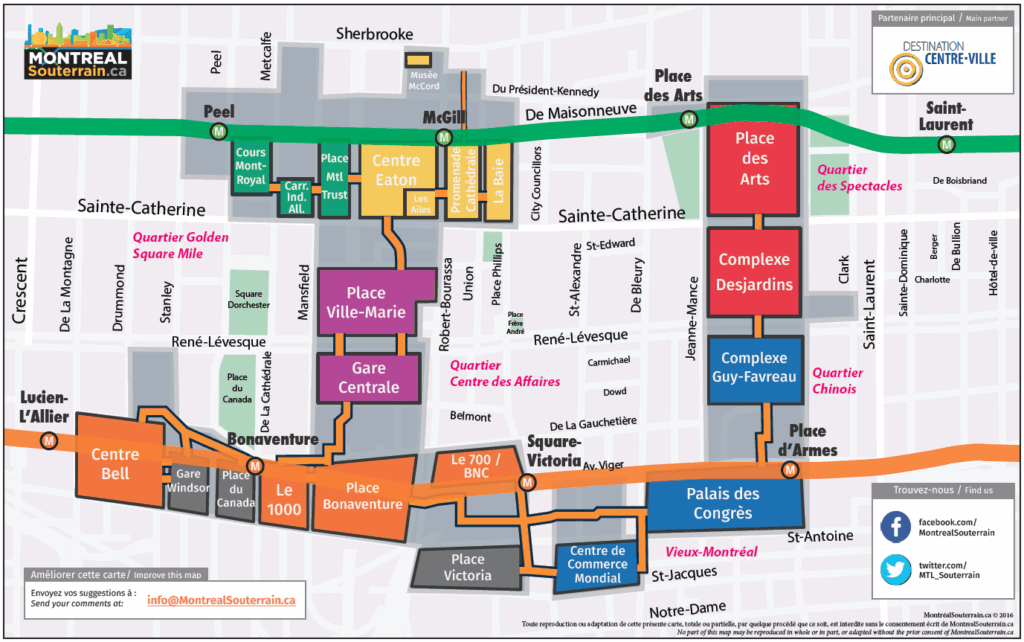
The underground city is U-shaped with two main north-south axes connected by an east-west axis. Combined, it is 32 kilometers of tunnels over 12 square kilometers of the most densely populated part of Montreal. In total, there are more than 120 external access points in the network, not counting some sixty entrances to subway stations outside the official boundaries of RÉSO, some of which have their own small tunnel networks.
Some of the city’s largest institutions, namely McGill University, the Montreal Museum of Fine Arts, Concordia University, the University of Montreal, and the Université du Québec à Montréal, also have separate campus tunnel systems not connected to the underground city.
The largest and best-known segment of the underground city is located in the center of the business district, bounded by the Peel and Place-des-Arts subway stations on the Green Line, and the Lucien-L’Allier and Place-d’Armes stations on the Orange Line.
What makes the Underground City special is its full integration with Montreal’s metro network. It is not just a connection between individual stations – it is a unified transportation and pedestrian system that allows you to move seamlessly through the city center. In addition to the subway, the underground city is connected to train stations, bus terminals and other transportation hubs, making it an essential element of the city’s infrastructure.
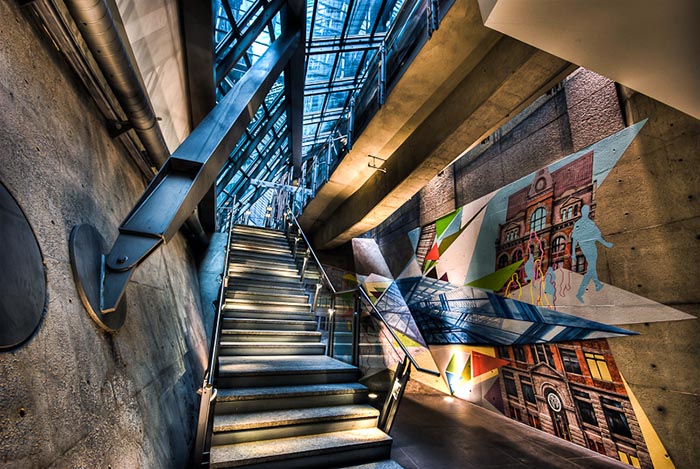
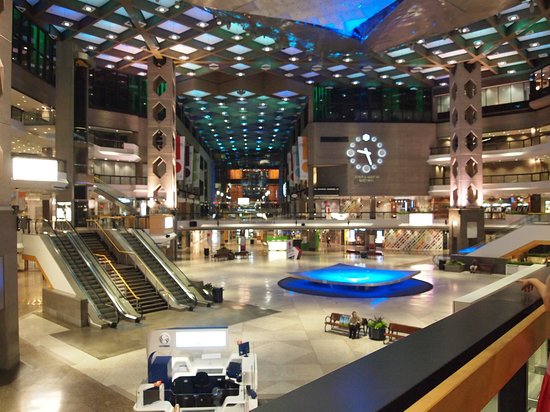
Architectural solutions in the underground city vary from simple functional passageways to impressive atriums with natural light through glass roofs. In some places, such as the Complexe Desjardins center, vast open spaces with fountains, performance stages and seating areas have been created. Art installations, sculptures and exhibitions are found throughout the network, making traveling through the underground city not only functional but also aesthetically pleasing.
Scale and statistics
Montreal’s underground city is impressive in its scale. According to official statistics, around 500,000 people use it every day, making it a true city within a city. This flow especially increases during the winter months, when temperatures can drop to -30°C on the streets.
The network connects more than 1,600 buildings and the total length of the tunnels exceeds 32 kilometers. The underground city is home to approx:
- 1,200 offices
- 2,000 stores (including 2 large department stores)
- 1,600 residential units
- 200 restaurants
- 40 banks
- 40 cinema halls in various cinemas
- 7 large hotels
- 4 universities
- Place des Arts theater and concert complex
- Cathedral
- Bell Centre sports and entertainment complex (home of the Montreal Canadiens hockey club)
- 3 exhibition centers: Place Bonaventure, Convention Centre (Palais des Congrès de Montréal) and Olympic Centre
The underground network connects 10 of Montreal’s 68 subway stations and is the largest underground complex of its kind in the world. Experts estimate that the underground city comprises about 80% of office space and 35% of commercial space in downtown Montreal.
Daily life underground
For Montrealers, the underground city is not just a tourist attraction, but an integral part of everyday life. This is especially evident during the cold winter months or the scorching summer heat, when the streets are literally empty – people prefer to move underground, where a comfortable microclimate is maintained.
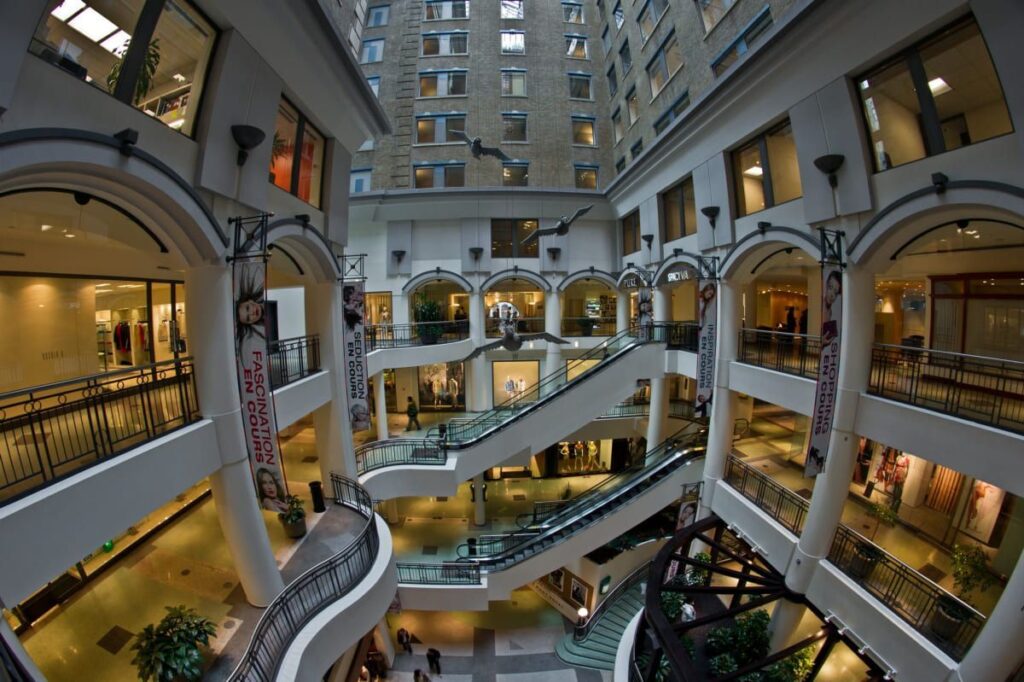
A typical Montrealer’s day may begin by walking out of an apartment complex straight into an underground corridor leading to a subway station. After a short ride and exiting at the right station, a person can continue through the underground passageways to their office without ever going to the surface. During a lunch break, one can visit one of the many restaurants or cafes, store in stores, or even visit a bank or post office – all without leaving the air-conditioned space of the underground city.
After work, Montrealers can stay in the underground city for entertainment: visit a movie theater, concert hall, art exhibition or sporting event. And on hockey game days, thousands of fans make their way to the Bell Centre through underground corridors without worrying about the weather conditions on the surface.
Although the underground city is not technically a living space (until recently there were no apartments with direct access to the network), it fulfills all the other functions of an urban environment. You can study, work, shop, eat, receive medical services, play sports and have fun here – virtually the entire spectrum of urban life is available underground.
Commercial component
The commercial aspect is one of the key elements of an underground city. Shopping galleries and centers make up a significant part of its area, and the number of stores is impressive – about 2,000 different retail outlets.
Some of the major shopping complexes in the Underground City include:
- Eaton Centre complex – one of the centerpieces of the chain with many stores and restaurants
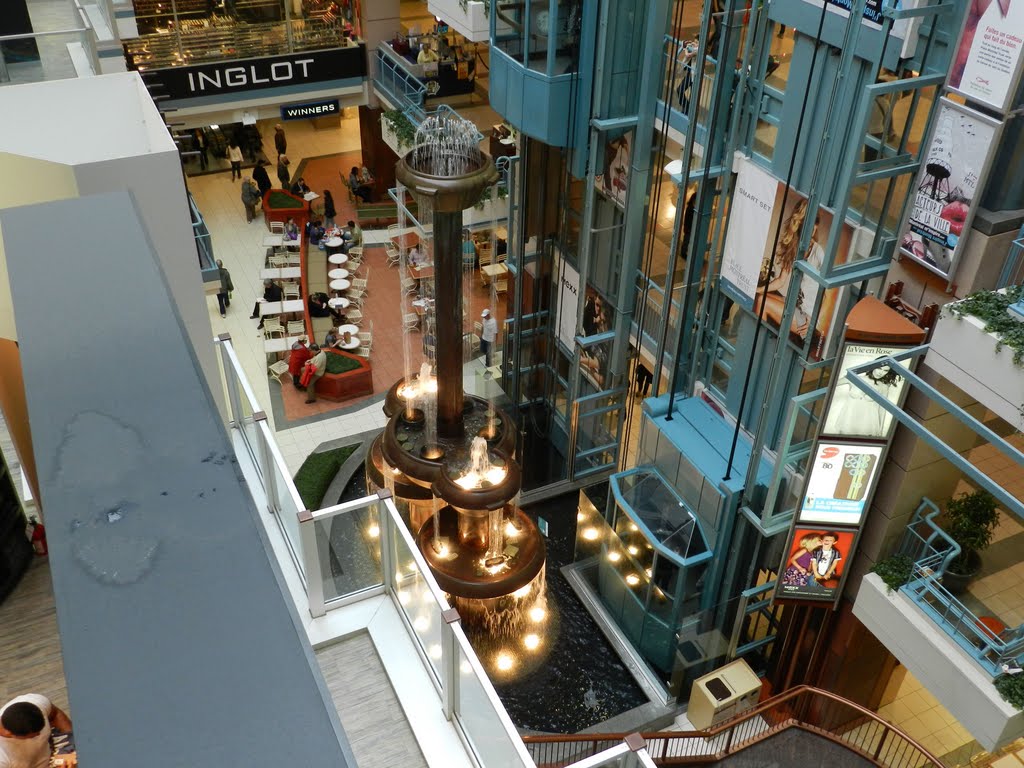
- Place Montreal Trust – known for its tallest indoor fountain in Canada
- Les Cours Mont-Royal – a former luxury hotel turned shopping center with an impressive chandelier from the Monte Carlo Casino
- Promenades Cathédrale – a unique shopping center built right under the Anglican Cathedral of Christ Church Cathedral
- Carrefour Industrielle Alliance is the former Simpsons department store
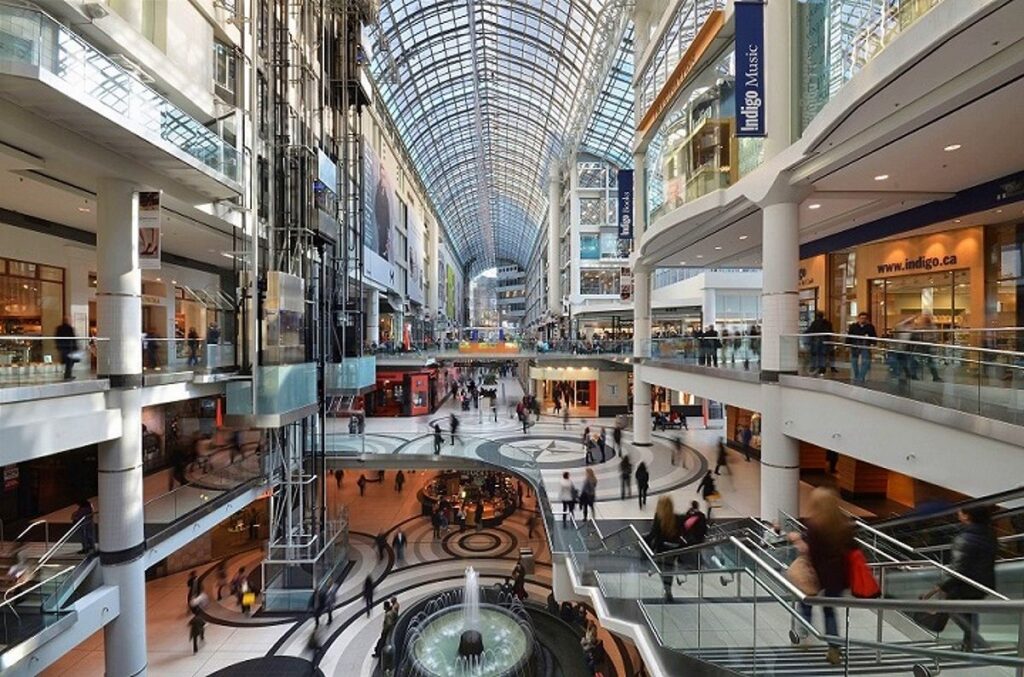
The shopping plazas represent a wide range of both international brands and local boutiques. Everything from luxury goods to everyday items can be found here. The price range is also wide, from exclusive boutiques to affordable mass-market stores.
In parallel with trade, the catering sector is actively developing. About 200 restaurants, cafes, bars and food courts offer cuisine of different countries of the world. The food court at Gare centrale (Central Station) is particularly popular and has won awards for its design.
The banking sector is also well represented in the underground city, with around 40 bank branches and many ATMs providing financial services to visitors and employees of the underground complex.
Tourist Attraction
Montreal’s Underground City is promoted as an important tourist attraction and is included in most city guides. For visitors to Montreal, it is not only a way to get around comfortably in unfavorable weather, but also a unique space that demonstrates an innovative approach to urban planning.
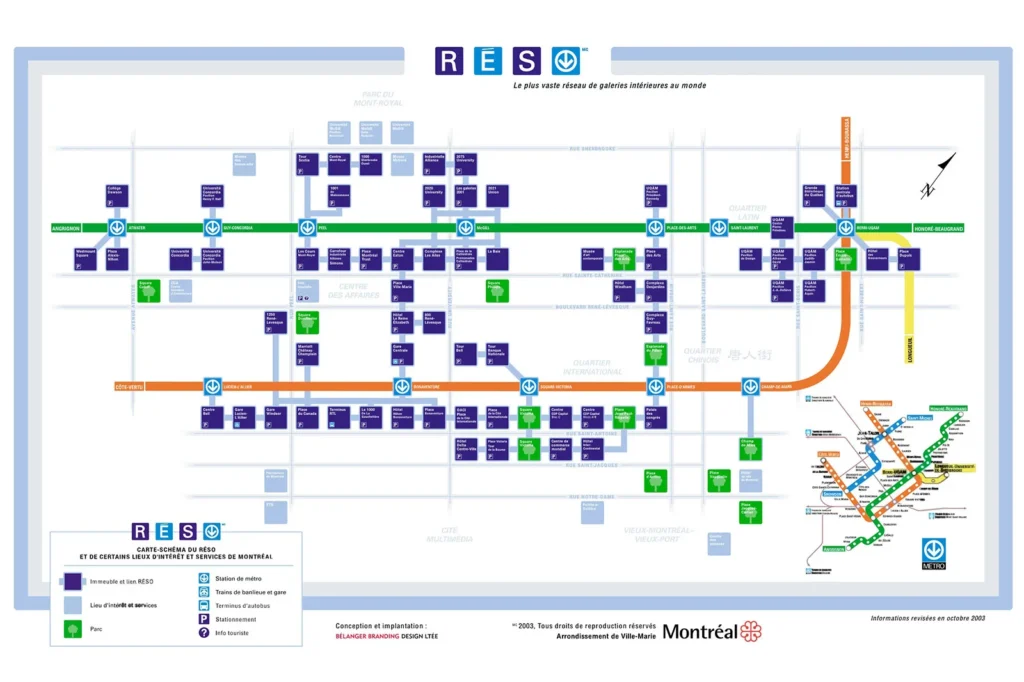
Tourists can pick up free maps of the underground city and subway at all metro stations. Most maps of the city center also show a network of underground buildings. However, even with a map in hand, many visitors note that it is easy to get lost in the maze of corridors and passages, despite the signage system. Most often tourists using the subway do not immediately go to the surface and continue their way in the system of subway corridors, and when they get to the surface they cannot determine exactly in which part of the city they found themselves.
To get acquainted with the underground city, specialized tours are offered, during which guides tell about the history of the creation of this unique system, show the most interesting architectural solutions and art installations. Visitors are also advised to pay attention to the hidden gems of the underground, such as the impressive chandelier from the Monte Carlo Casino in the Cours Mont-Royal, Canada’s tallest indoor fountain in the Place Montreal Trust or the Barbie Expo with more than a thousand dolls from different periods.
At the west end of the Palais des Congrès from Place Jean-Paul-Riopelle, you can see spectacular art installations and then walk through the north tunnel to the hexagonal Desjardins complex, the center of the eastern part of the city. From here, it’s just a few steps to the Contemporary Museum and the Place des Arts with its five concert halls.
Art and culture in the underground city
Montreal’s Underground City is not only a retail and office space, but also an important cultural space. Numerous artworks, installations and exhibition spaces are located throughout the network.
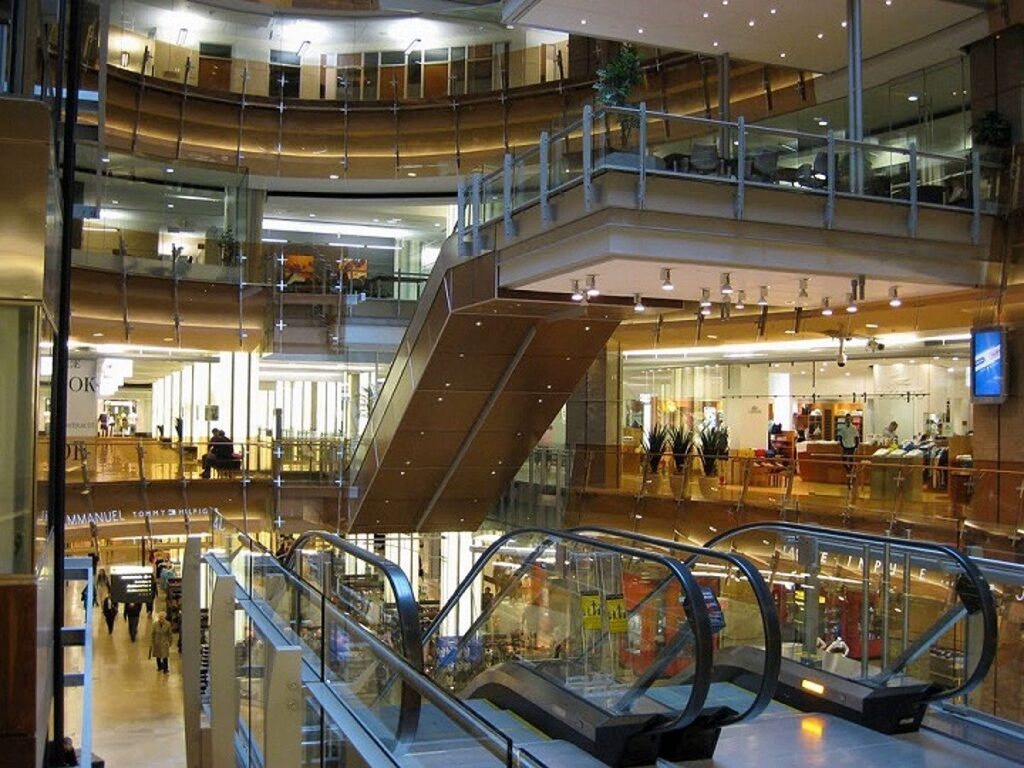
The cultural aspect is particularly prominent in the tunnel sections of the International Quarter, which house educational and art exhibits sponsored by major Montreal museums. These exhibitions are regularly updated, offering visitors new content.
Several important cultural institutions are located in or have direct access to the underground city:
- Place des Arts, Montreal’s premier concert complex with several concert halls
- Musée d’art contemporain de Montréal (Museum of Contemporary Art)
- Cinéma Banque Scotia (IMAX) is a multiplex with several movie theaters
- Entrance to the Montreal Museum of Fine Arts is accessible through the underground city network
Many university buildings connected to the underground network also host cultural events, exhibitions and lectures accessible to both students and the general public. The University of Quebec at Montreal (UQAM), for example, has several art galleries and exhibition spaces connected to the underground city.
Art is integrated into the very architecture of the underground city. Many corridors and hallways are decorated with murals, sculptures and installations. For example, the World Trade Center in Montreal features a fragment of the Berlin Wall, the majestic Amphitrite Fountain and several sculptures.
Technical aspects and engineering solutions
Creating and maintaining such a large-scale underground network requires serious engineering solutions. The Montreal Underground City is an example of the successful application of sophisticated technical systems to ensure the comfort and safety of visitors.
One of the key aspects is the climate control system. The underground city maintains a comfortable temperature all year round, regardless of the weather conditions on the surface. This requires a complex heating, ventilation and air conditioning (HVAC) system that must handle huge volumes of air. Not only temperature, but also air humidity, cleanliness, and circulation are taken into account.
Lighting also plays an important role in creating a comfortable environment. Since most of the underground city does not have access to natural light, various artificial lighting systems are used. In some places, such as atriums and passages between buildings, glass roofs are installed to allow natural light to penetrate underground. This not only saves energy, but also creates a more natural and pleasant atmosphere.
Security is a priority for such a large complex with a high flow of people. CCTV cameras, fire alarms and fire suppression systems have been installed throughout the underground city. Detailed emergency evacuation plans have been developed and staff undergo regular safety training.
Drainage and leakage protection is another important technical challenge. Given the scale of the underground network and Montreal’s climate, with heavy precipitation and snowmelt in the spring, an effective drainage system is critical to prevent flooding and related damage.
In 2007, construction crews discovered a 7-meter-long crack in the ceiling of the underground corridor connecting McGill Station to The Bay department store under Boulevard de Maisonneuve. The incident required emergency measures: closing part of the underground city and suspending traffic on the subway line to assess structural integrity. Over the weekend, city crews worked continuously, installing more than 1,000 temporary metal supports to support the sagging concrete slab. This case underscores the importance of ongoing maintenance and condition monitoring of the underground city’s structures.
Economic significance
The underground city is an important component of Montreal’s economy. Not only does it create thousands of direct jobs in its stores, restaurants and offices, but it also greatly enhances the attractiveness and accessibility of the downtown area for business and tourism.
The commercial spaces of the underground city are premium locations for retail due to the constant flow of people, regardless of weather conditions. Rental rates here are typically higher than similar above-ground spaces, reflecting their commercial attractiveness.
Office buildings connected to the underground city also gain a competitive advantage in attracting tenants. The ability to reach the office without going outside on a cold winter or rainy day is a significant plus for companies concerned about the comfort of their employees. It is no coincidence that many prestigious business centers emphasize their connection to the underground network as an important advantage when marketing office space.
Tourism associated with the underground city also contributes significantly to the economy. Numerous tourists visiting this unique attraction spend money at local stores, restaurants and hotels. In addition, specialized tours of the underground city create additional jobs in the tourism sector.
The transportation component of the subway city, which includes integration with subway, rail and bus stations, greatly improves mobility within the city center. This increases its accessibility for workers, shoppers and tourists, which in turn stimulates economic activity.
Social significance and impact on urban life
Montreal’s underground city has had a profound impact on social life and urban planning not only in Montreal itself, but has also served as a model for other cities with harsh climates.
Above all, the underground city has changed the mobility habits of Montrealers. The ability to move around in a comfortable environment protected from the weather has led many Montrealers to prefer to spend a significant portion of the day underground, especially during the cold season. This has influenced social interactions, creating new public spaces and meeting points in the underground network.
The underground city has also contributed to the development of denser housing in downtown Montreal. The integration of various functions – transportation, commercial, business, cultural – into a single interconnected system has allowed for a more efficient use of urban space and the creation of a more compact urban environment.
It is important to note the role of the underground city in providing all-season accessibility. For people with limited mobility, the elderly or families with small children, the ability to move around the city without facing icy sidewalks in winter or scorching sun in summer significantly improves the quality of life and inclusiveness of the urban environment.
The underground city has also created a unique microclimate for social interactions.
The underground city has also created a unique microclimate for social interactions. It has formed its own public spaces – squares, atriums, food courts – where people meet, socialize, and relax. These places have become a kind of modern agora – centers of social life, where different social groups intersect: from students and office workers to tourists and locals of different ages.
Interestingly, the underground city has become a reflection of the multicultural nature of Montreal. It offers restaurants with cuisine from around the world, stores representing different cultural traditions, and events related to the city’s diverse cultural communities. This makes it not only a functional space, but also a place of cultural exchange and interaction.
From an urban planning perspective, Montreal’s underground city model has influenced the development of similar systems in other cities with harsh climates. Toronto, for example, created its underground pedestrian network, PATH, based on Montreal’s experience, albeit with some differences in implementation. Similar underground complexes have appeared in other Canadian cities, as well as in the United States, Japan and some European countries.
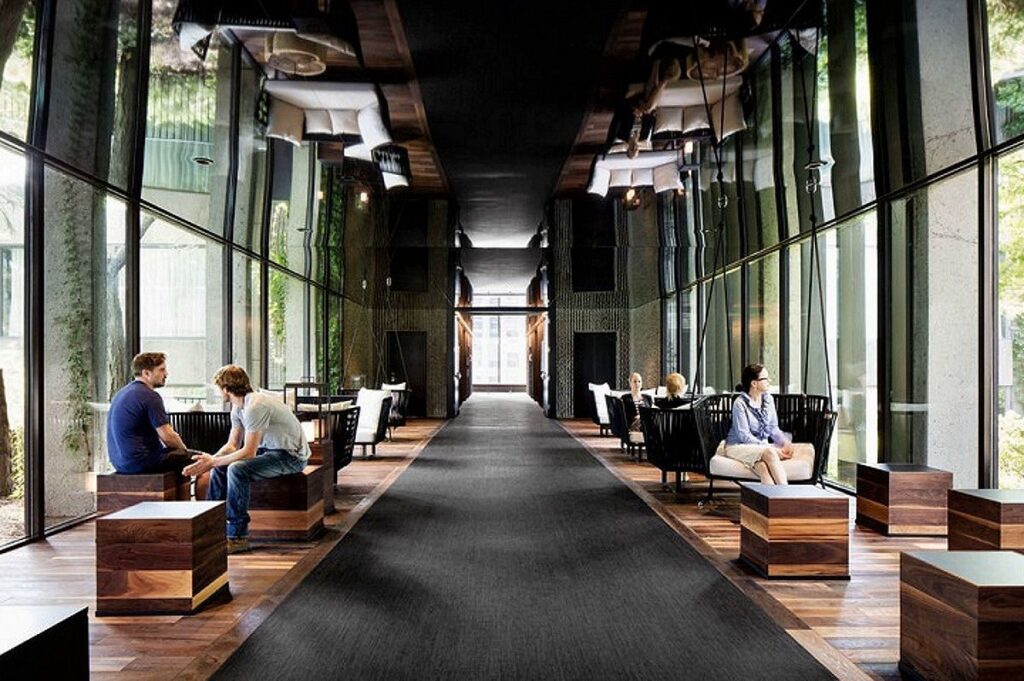
An important social aspect is that an underground city creates a protected space not only from weather conditions, but also from other negative factors of urban life, such as noise and air pollution. This is especially valuable in the conditions of modern megacities, where environmental problems are becoming more and more urgent.
At the same time, critics point out that overdevelopment of underground structures can drain life from city streets, especially in winter, which can negatively affect the character of the urban environment. However, in the case of Montreal, a balance has been struck: the underground city complements the above-ground space rather than replacing it entirely, which is especially noticeable during the summer when the city’s street life flourishes.
Ecological aspect
From an environmental perspective, Montreal’s underground city is an interesting example of an energy-efficient approach to organizing urban space. Underground structures offer natural advantages in terms of thermal insulation and temperature stability, reducing heating costs in winter and air conditioning costs in summer.
The underground network also contributes to reducing greenhouse gas emissions by encouraging the use of public transportation (primarily subways) instead of private cars. The integration of residential, commercial and office spaces into a single system accessible on foot is in line with modern concepts of the compact city and the reduction of the transportation carbon footprint.
An important environmental aspect is the efficient use of urban space. By placing part of the city’s infrastructure underground, Montreal has been able to maintain a more compact downtown, avoiding excessive sprawl, which also helps to reduce the consumption of energy and other resources.
In recent years, the renovation and expansion of the underground city has increasingly emphasized sustainable technologies and materials. Modern sections are being equipped with energy-efficient lighting, heat recovery systems and other environmentally friendly solutions.
Challenges and problems
Despite all the benefits, Montreal’s underground city faces a number of challenges and problems. One of the main ones is the need for constant maintenance and infrastructure modernization. For such a large-scale complex, this requires a significant financial investment.
An incident in 2007, when a crack was discovered in the ceiling of the corridor connecting McGill Station to The Bay department store, illustrated the risks associated with underground construction and the importance of regular safety inspections.
Another challenge is navigating the complex network of tunnels and passageways. Despite the availability of signposts and maps, many visitors note that it is easy to get lost in the underground city due to the lack of obvious landmarks. This creates a need to develop more intuitive navigation systems.
There is also the problem of uneven distribution of pedestrian flow. Some sections of the underground city are congested during peak hours, while others remain relatively empty. This creates challenges both in terms of safety and economic viability of the less traveled sections.
From a social perspective, critics note that the underground city can contribute to the segregation of urban space along economic lines. Most retail space is oriented towards the middle to high price segment, which can create a sense of exclusion for less affluent populations.
Finally, the complexity of managing such a distributed complex owned by many different owners creates challenges for coordinating the development and maintaining uniform standards in the underground network.
The future of the underground city
The future prospects for Montreal’s underground city involve both the further expansion of the network and the modernization of existing spaces. The city plans to continue integrating the underground system with new transportation hubs, including the Réseau express métropolitain (REM) light rail network.
One of the important areas of development is improving the sustainability and energy efficiency of the underground city. This includes introducing modern building management systems, utilizing renewable energy sources and improving thermal insulation. Many sections of the underground city are gradually being modernized to meet modern environmental standards.
Digitalization is another promising trend. Smartphone applications are being developed to help navigate the underground network, find the right stores or services, and get information about events and special offers. Interactive maps and information kiosks are being introduced to facilitate navigation for both locals and tourists.
In 2023, it was announced that Montreal’s underground city would receive its first residential apartments. Until then, despite the fact that about half a million people use the 32-kilometer underground network every day, none of them have lived in apartments directly connected to it. The new housing project is planned to be built on the corner of St. Urbain Street and President Kennedy Avenue, with direct access to the McGill subway station. This marks a new phase in the development of the Underground City – transforming it into a truly complete urban environment where one can not only work, shop and be entertained, but also live.
Strengthening of the cultural component is another direction of development. In the underground city it is planned to create new exhibition spaces, interactive installations, places for cultural events. This will not only increase the attractiveness for tourists, but also enrich the cultural life of Montrealers themselves.
Many experts see Montreal’s underground city as a model for the development of future cities, especially in a changing climate. Created half a century ago to protect against cold winters, this system could prove equally valuable in an era of global warming, protecting citizens from extreme heat, air quality and other effects of climate change.
Cultural significance of the underground city
Over the several decades of its existence, the underground city has become an integral part of Montreal’s urban identity. It has been reflected in literature, film, music and other forms of art, symbolizing the city’s unique approach to overcoming climate challenges.
For tourists, the underground city represents one of Montreal’s main attractions, something that sets it apart from other cities in the world. For Montrealers themselves, it is such a familiar part of the urban landscape that they sometimes do not even realize its uniqueness, taking for granted the ability to move around the city without going outside.
Cultural scientists and urbanists note that the underground city has created a kind of “parallel reality” – an alternative urban space with its own rules, rhythms of life and social norms. Special patterns of behavior and interaction between people, different from those that exist on the surface, are formed here.
It is particularly interesting to observe the seasonal dynamics: in winter the underground city becomes the center of urban life, while in summer the activity shifts to the surface – to the streets, squares and café terraces. This cyclical migration of urban life between the surface and the underground creates a unique rhythm unique to Montreal and a few other cities with similar systems.
The underground city compared to counterparts in other cities
Although Montreal’s underground city is considered the largest in the world, similar complexes exist in other cities. Each has its own characteristics due to local climate, cultural traditions, and economic factors.
The second largest underground pedestrian system is located in Toronto and is called PATH. It includes about 30 kilometers of tunnels connecting more than 1,200 stores and restaurants. However, unlike the Montreal system, PATH in Toronto is more focused on serving the business part of the city and is less integrated with cultural and residential facilities.
In Japan, underground shopping centers have been actively developed since the 1960s and are particularly common in Tokyo, Osaka and other major cities. They were originally created not so much for protection from the climate as for efficient use of expensive urban space. Japanese underground complexes tend to be more compact and vertically oriented compared to Montreal’s horizontally distributed network.
Helsinki, Finland, has an extensive network of underground tunnels and structures, but with a narrower function than Montreal’s underground city. The Finnish system includes emergency shelters, sports facilities, and storage areas, but has less commercial space.
Underground complexes in China, especially in the cities of Beijing and Shanghai, have been developed both to solve overpopulation problems and for military purposes. They are multi-leveled and often serve multiple functions, from commercial to industrial.
What makes Montreal’s system unique is its scale, high degree of integration with above-ground urban infrastructure, and multifunctionality. While many underground complexes in other cities focus primarily on commerce or transportation, Montreal’s underground city encompasses almost the entire spectrum of urban functions.
Conclusion
Montreal’s underground city is an impressive feat of urban planning and engineering that has transformed a harsh climate from a disadvantage to an advantage. Over more than half a century of its existence, it has evolved from a simple network of tunnels between several buildings to a complex multifunctional system that forms a unique image of the city.
RÉSO not only provides a comfortable space for moving, working, shopping and entertainment, protected from the vagaries of the weather, but also serves as a catalyst for economic development, promotes cultural exchange and creates a unique urban environment. It is a model of efficient use of urban space and energy resources, especially relevant in the context of contemporary urbanization and climate change issues.
Despite the problems and challenges faced by the underground city – from maintenance to navigation – its importance to Montreal cannot be overemphasized. Not only does it provide physical comfort in a harsh climate, but it has become a symbol of an innovative approach to urban development, shaping Montreal’s identity as one of the most progressive cities in North America.
The future of the underground city looks promising, with plans for further expansion, modernization and integration of new functions, including housing. As cities around the world seek sustainable solutions to adapt to a changing climate and growing urbanization pressures, Montreal’s experience becomes increasingly valuable and relevant.
Montreal’s RÉSO Underground City is not just an infrastructure project or a tourist attraction. It is a living, evolving organism, pulsing with the rhythm of urban life, reflecting the values and priorities of the Montreal community and offering a unique perspective on how cities of the future can evolve – not only upwards or outwards, but also inwards, creating new dimensions of urban experience.
Author Information

I’m a journalist specializing in urban issues and city politics in the Vancouver region, which I’ve covered since 1994, and I also have a strong focus on the iGaming industry. In this endlessly changing city, I cover a broad range of issues: from drug policy, bike lanes, billion-dollar development projects, homelessness, and garbage debates, to the rapidly evolving world of online gaming, including regulatory landscapes, technological advancements, and market trends. I write frequently for the Globe and Mail’s B.C. section and Report on Business. From 2008 to 2015, I had a regular column in Vancouver magazine, “Urban Fix,” which apparently resonated with readers so much that it earned me a few regional and national awards.
