
Introduction
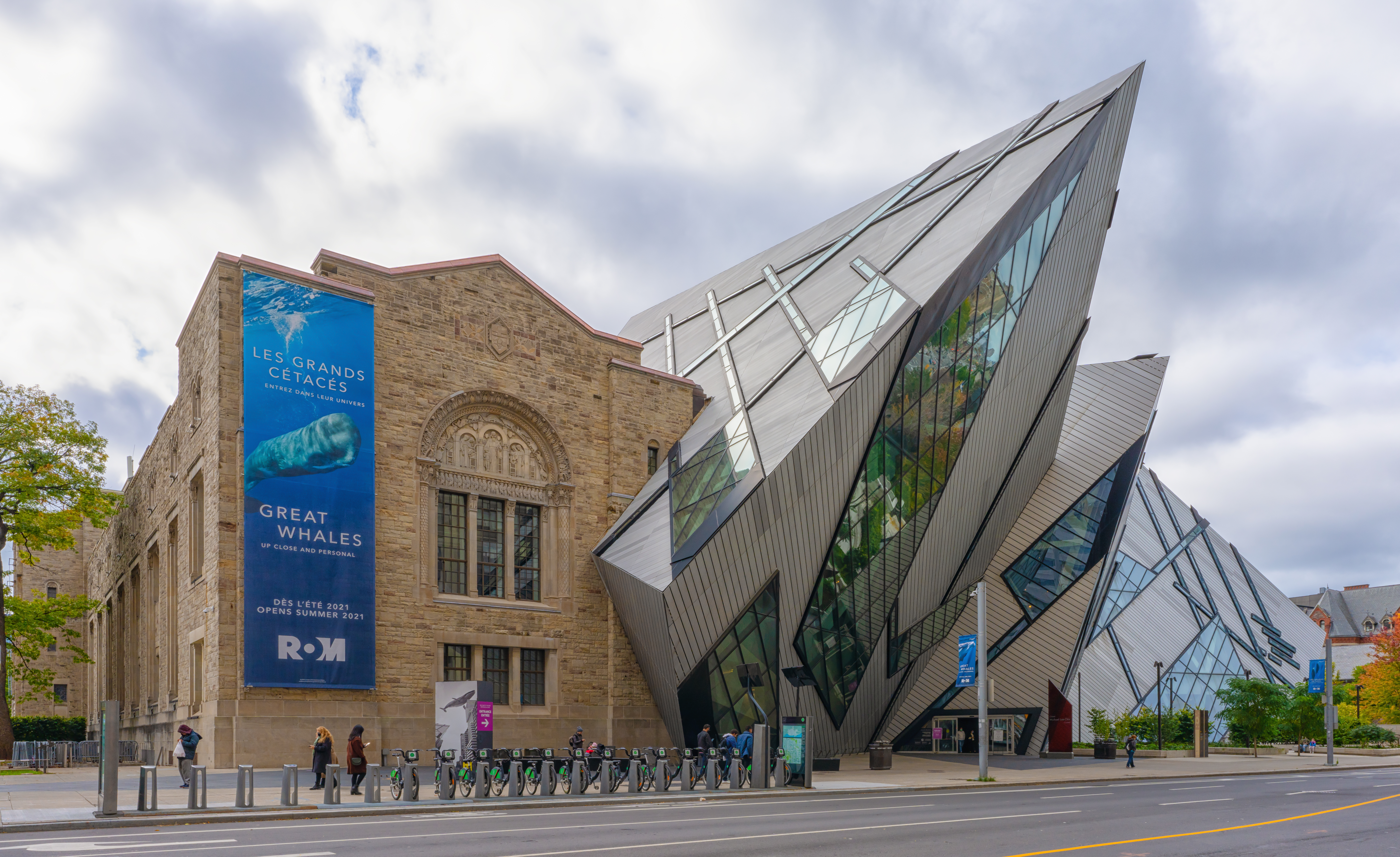
In the heart of Toronto, at the intersection of Bloor Street and Queen’s Park, stands one of Canada’s most impressive architectural structures, the Royal Ontario Museum (ROM for short). Not only is it the largest museum in Canada and the fifth largest in North America, but it is also a treasure trove of world culture, art and natural history. With a collection of more than 18 million objects displayed in 40 galleries and exhibition halls, the Royal Ontario Museum attracts more than one million visitors each year, making it Canada’s most visited museum.
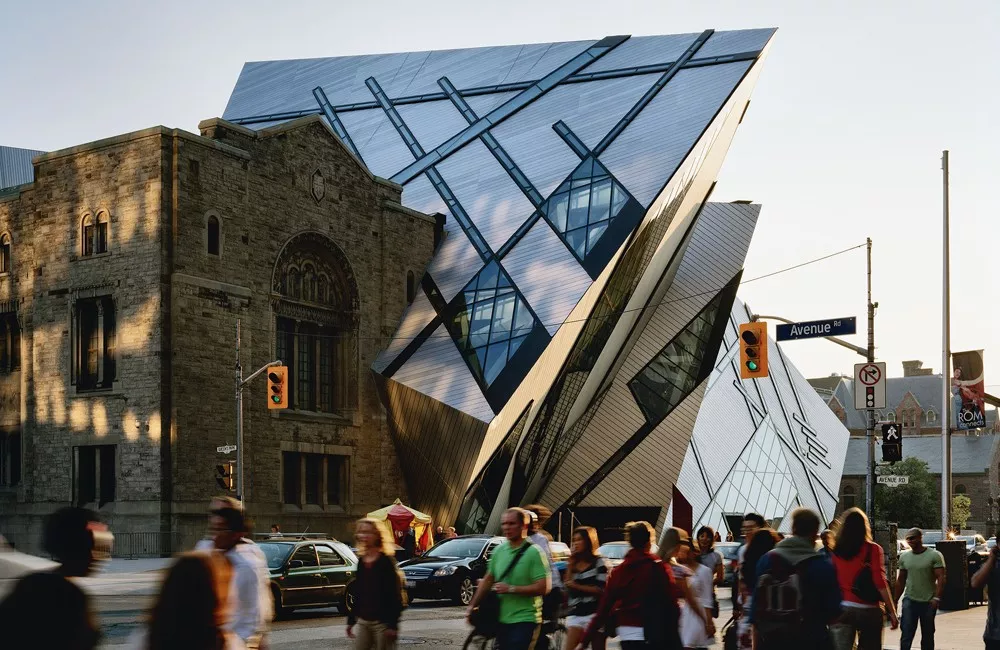
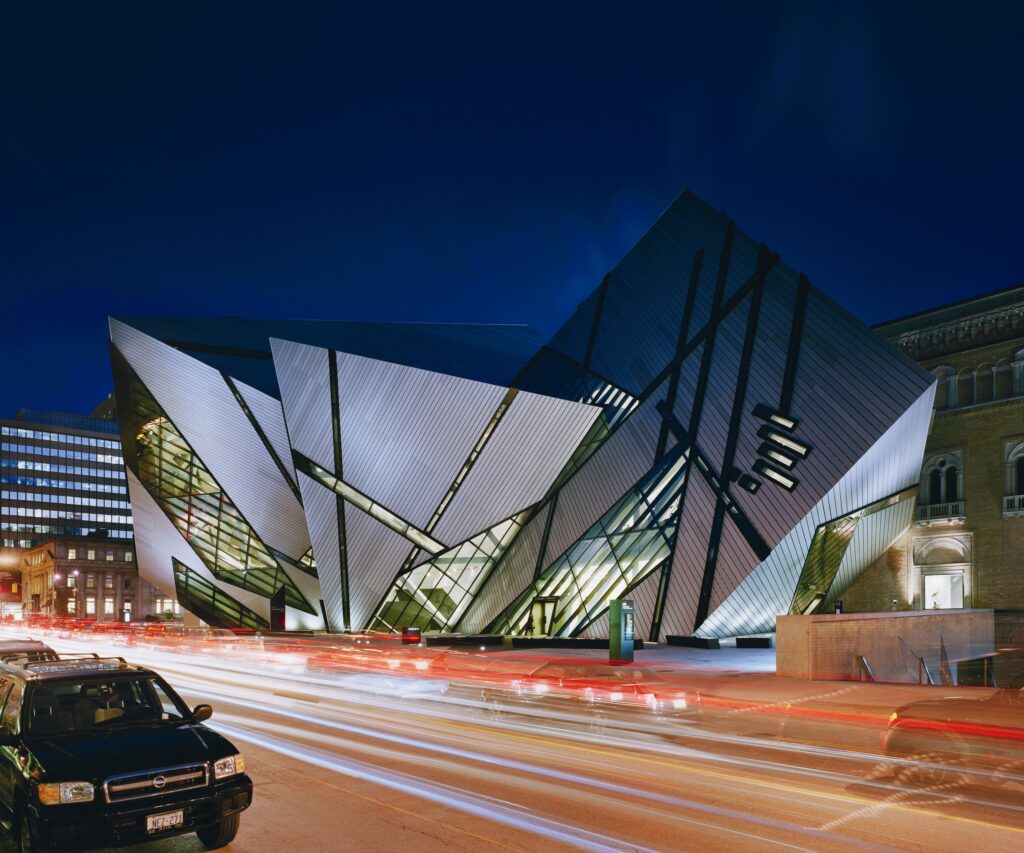
The uniqueness of this museum lies not only in its impressive collections, but also in its architectural appearance, which harmoniously combines a historic building from the early 20th century with a modern crystalline structure designed by renowned architect Daniel Libeskind. This contrast between classic and avant-garde symbolizes the museum’s mission to connect tradition and innovation, past and present, preserving cultural heritage and at the same time creating a space for new discoveries and ideas.
In this article we will take a virtual journey through the halls and collections of the Royal Ontario Museum, learn about its history, architecture and most significant exhibits, reveal its role as a research institute and cultural center of Canada, and learn about its plans for the future. As we immerse ourselves in the world of the ROM, we will see how this museum has become not just a repository of artifacts, but a living, dynamic space where every visitor can come into contact with the treasures of world culture and natural history.
History of the Museum’s foundation and development
The history of the Royal Ontario Museum dates back to the turn of the 20th century, when a small group of influential Torontonians came up with the idea of creating an internationally recognized museum in the city. Their efforts were crowned with success, and on April 16, 1912 the official act on the establishment of the Royal Ontario Museum was signed in the legislative assembly of the province of Ontario. Funding for the future museum was assumed by the Government of Ontario and the University of Toronto.
The grand opening of the museum took place on March 19, 1914. The Governor General of Canada, the Duke of Connaught, opened the doors of the new building to the public, and the museum instantly became a source of pride for Torontonians. Originally an elegant structure of pale yellow brick and terra cotta designed by Toronto architects Darling and Pearson, it included five separate museums: the Royal Ontario Museum of Archaeology, the Royal Ontario Museum of Paleontology, the Royal Ontario Museum of Mineralogy, the Royal Ontario Museum of Zoology, and the Royal Ontario Museum of Geology.
The museum was expanded several times in the following years. By the late 1920s, the collections and staff were beginning to run out of space. The first major expansion occurred during the Great Depression, with construction using mostly local building materials. Excavations were done by hand with picks, shovels, and horse-drawn wagons. on October 12, 1933, Toronto newspapers reported the opening of the new wing overlooking Queens Park, describing it as “a masterpiece of architecture.”
In 1955, the five separate museums were reorganized into a single institution, and in 1968 ROM officially separated from the University of Toronto and became an independent organization under the jurisdiction of the provincial government.
In 1978, a major $55 million renovation began to expand research activities and create additional space for the growing collections. This resulted in a new curatorial center, library and other facilities. In 1984, Her Majesty Queen Elizabeth II officially opened the new exhibition spaces and galleries, called the Terrace Galleries.
A new era for the Royal Ontario Museum began on June 3, 2007 with the opening of the Michael Lee-Chin Crystal, which has become a striking symbol of twenty-first century Toronto. Named after businessman Michael Lee-Chin, who donated $30 million to the museum’s renovation, this futuristic addition was designed by world-renowned architect Daniel Libeskind. Inspired by the museum’s collection of minerals and gemstones, Libeskind sketched the initial concept on paper napkins during a family wedding held at the ROM. The design quickly became known as “crystal” because of its crystalline shape.
In 2019, the museum opened the Helga and Mike Schmidt Performance Terrace and Reed Family Plaza to the public, giving visitors a new way to enjoy the museum. The new Bloor Street Terrace and Plaza offer a welcoming outdoor gathering and relaxation space with garden seating and open space for music, theater, discussions and performances.
Today, the Royal Ontario Museum continues to fulfill the original vision of its founders, evolving as a leading cultural and scientific institution of international stature while maintaining its historic roots and connection to the Toronto community.
The architectural ensemble: from classical to avant-garde
The architectural appearance of the Royal Ontario Museum is a remarkable blend of historic heritage and modern architectural design, making it one of the most recognizable buildings not only in Toronto, but in all of Canada.
The historic building and east wing
The original museum building, constructed in 1914 and designed by the renowned architectural firm of Darling and Pearson, is in the Neo-Romanesque style with elements of Byzantine architecture. The walls of the building are clad in pale yellow brick and limestone from Ontario. This elegant structure, with a symmetrical facade adorned with columns and arches, is now the west wing of the museum complex and overlooks Queens Park Crescent.
In 1933, two new segments were opened: an east wing facing Queens Park and a central section connecting the two wings. The east wing, also in the Neo-Romanesque style, seamlessly complemented the original building while maintaining its architectural integrity. One of the gems of this expansion was the Rotunda, the museum’s ceremonial entrance hall with an impressive mosaic dome.
The Rotunda’s mosaic dome
The Rotunda, dedicated to Ernest and Elizabeth Samuel, is one of the museum’s most magnificent architectural treasures. Charles T. Carrelli, the first director of the Royal Ontario Archaeological Museum, conceived this mosaic composition for the 1933 addition. The ceiling of the Rotunda reflects the breadth of the museum’s collections, decorated with patterns and symbols representing cultures from different eras and regions of the world.
The ceiling is made of thousands of sheets of imported Venetian glass cut into more than a million tiny colored squares. A team of craftsmen labored for eight months to install this masterpiece. The gleaming gold, rust and bronze background is decorated with red, blue and turquoise patterns reminiscent of the magnificent mosaics of the Byzantine world and Eastern Europe. The gold field features geometric borders and panels framing decorative floral patterns. The central panel contains an inscription from the Book of Job in the Old Testament: “Let all men know His work”.
The ceiling of the Rotunda features 16 images symbolizing different cultures throughout history:
- Symbols of the early cultures of the Americas (bison from rock art, eagle from a Northwest Coast totem pole, Inca god of thunder)
- Symbols of classical cultures of the Mediterranean (Egyptian falcon, mythical Greek sea horse, Romulus and Remus)
- Symbols of ancient Asian cultures (winged bull Assyria, magic elephant India, three-fingered dragon China)
- Symbols of European cultures (winged lion of St. Mark, heraldic griffin Gothic art, the fountain of Lions from the Islamic Alhambra in Spain)
- Examples of ancient architecture (Mesopotamian ziggurat, Egyptian pylon, classical Greek temple, Mayan temple from Central America)
Michael Lee-Chin’s Crystal
The most dramatic architectural addition to the museum’s historic building was the Michael Lee-Chin Crystal, opened in 2007. This bold avant-garde project, designed by architect Daniel Libeskind, features five interconnected prismatic structures that coexist but are not attached to the original ROM building, except for the bridges connecting them.
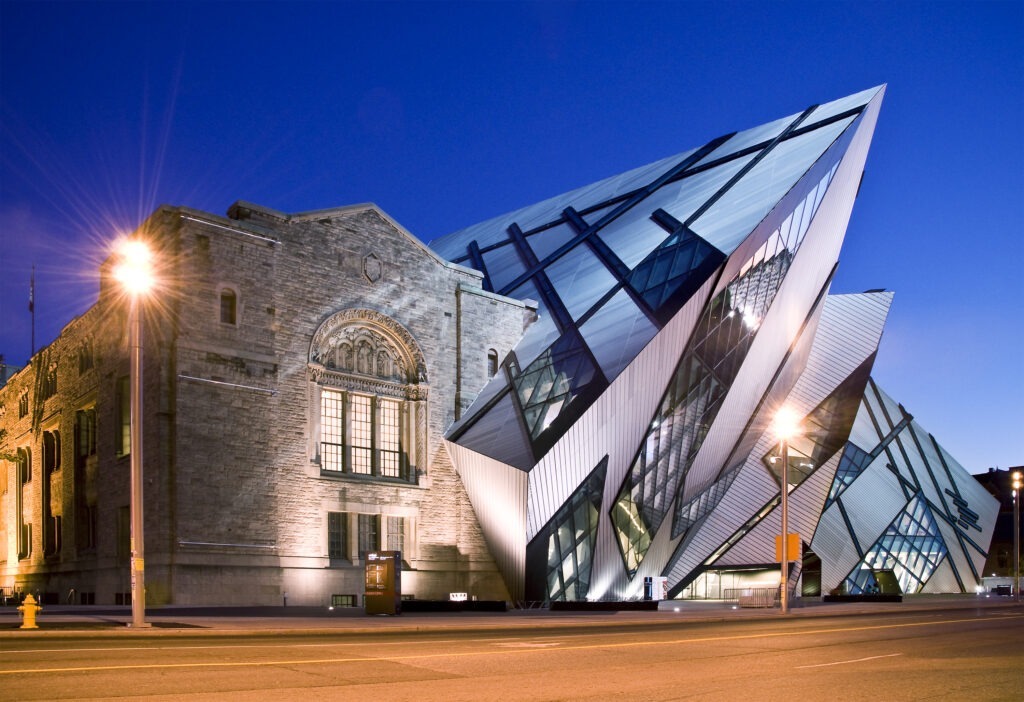
Crystal’s exterior cladding is 25% glass and 75% stamped aluminum panels in a warm silver color. Steel beams, each unique in design and fabrication and ranging in length from 1 to 25 meters, were installed at specific angles, creating complex angled connections, sloping walls and gallery ceilings. Some 3,500 tons of steel and 38 tons of bolts were used to create the framework, and approximately 9,000 cubic meters of concrete were poured.
The new addition was named in honor of Michael Lee-Chin, a Canadian businessman of Jamaican descent who donated $30 million to the museum’s renovation. His extraordinary generosity was an act of gratitude to the country that provided him and his family with opportunities for success and the hope that his example could be an inspiration to young Canadians.
The Crystal was inaugurated on June 2, 2007 in the presence of Her Excellency Michaëlle Jean, Governor General of Canada, and Mr. Jean-Daniel Lafond. The event was a street party that Toronto will remember for years to come and the perfect start to the summer of 2007.
OpenROM: a renovation and expansion project
The museum is currently undertaking a major renovation and expansion project called OpenROM. From major architectural changes to expanded accessibility features, OpenROM is an extension of the museum’s broader commitment to becoming an even more open, outward-facing and dynamic 21st century museum. Funded by private philanthropy, the project will create space for more visitors while forming a thriving cultural and civic center in the heart of the city.
Leading Canadian firm Hariri Pontarini Architects is leading the design of this landmark renovation project, which includes:
- A newly designed entrance from Bloor Street, protected by a spacious canopy and featuring a floor-to-ceiling glass entrance with direct views in and out of the building
- A bright and spacious lobby filled with artwork, objects and samples
- Hennick Commons, a new four-story sunlight-filled atrium with a high-performance glass ceiling and 2,400 square feet of forum space
- An impressive multi-level staircase adjacent to the forum that will offer three accessible viewing platforms connecting the old and new wings to improve movement around the building
- 6,000 feet of new gallery space on the second and third levels, allowing visitors to experience more exhibits from ROM’s world-renowned collections
The OpenROM project was initiated thanks to a visionary $50 million donation from the Hennick Family Foundation.
The combination of original heritage architecture with the contemporary Michael Lee-Chin Crystal, designed by Daniel Libeskind, makes ROM a national landmark and a dynamic cultural destination in the heart of Toronto that can be enjoyed by all.
World-class collections
The Royal Ontario Museum is home to one of the most extensive and diverse collections in North America. Its collection includes more than 18 million art, cultural objects and natural history specimens, reflecting the richness and diversity of the world’s cultural and natural heritage. These treasures are displayed in 40 galleries and exhibition rooms organized under three main sections: World Cultures, Natural History, and Interactive Galleries.
World Cultures Collections
ROM has nearly 1 million objects of art and culture from around the world, dating from prehistoric civilizations to contemporary works of art. These collections are located on the first, third and fourth floors of the museum and are organized into several thematic galleries.
The African Gallery presents the rich cultural heritage of the various peoples of Africa through a collection of traditional art, ritual objects, textiles and jewelry. Special emphasis is placed on the material culture of the peoples of West Africa, including the Yoruba, Ashanti and Dogon.
TheNear and Middle East Gallery contains one of the finest collections of Islamic art in North America. Exquisite manuscripts, ceramics, textiles and metalwork reflect the richness and diversity of Islamic culture from Spain to India. Of particular note is the collection of Persian miniatures and Ottoman calligraphy.
TheGallery of Ancient Egypt is one of the most popular in the museum. Here visitors can see mummies, sarcophagi, funerary objects, statues and everyday objects covering more than 5000 years of Egyptian history. The centerpiece of the gallery is the Hat Mechit burial chamber from the New Kingdom period, the only one of its kind in North America.
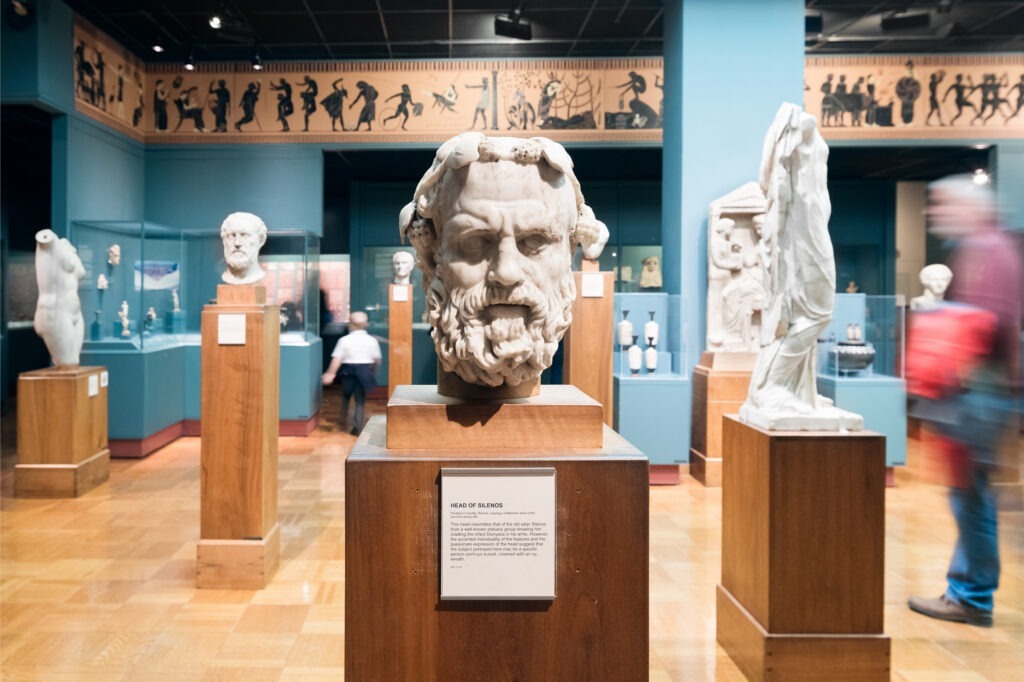
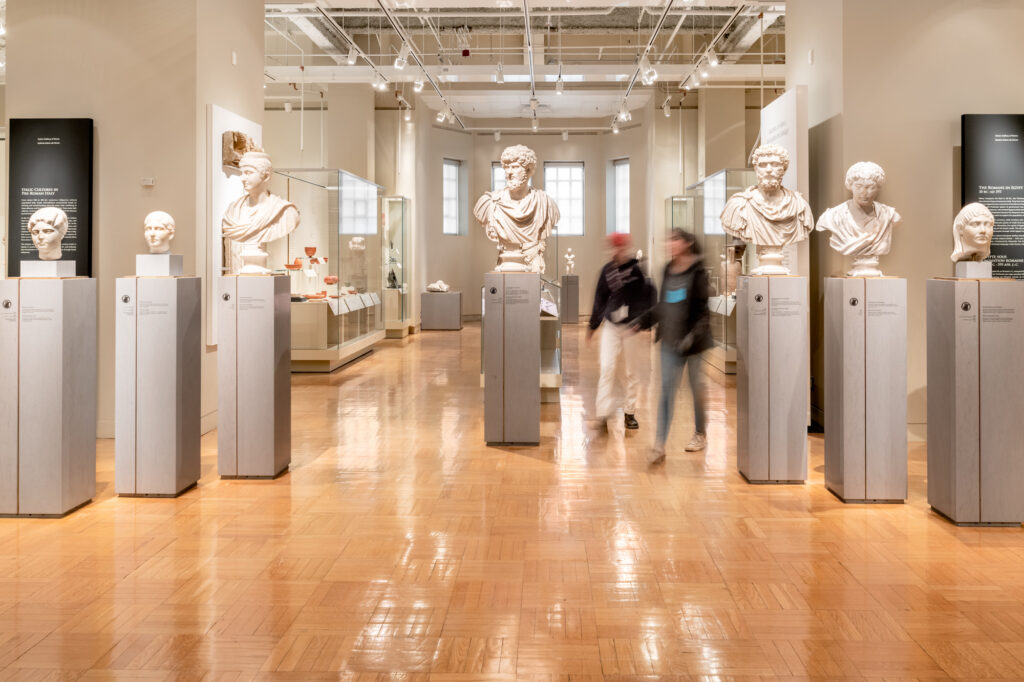
TheAncient Greece and Rome Gallery displays an impressive collection of marble sculptures, ceramics, jewelry and coins illustrating the achievements of classical antiquity. Especially valuable are the collection of Attic vases with black and red-figure paintings and the collection of Roman portrait busts.
TheChinese Architecture Gallery at the ROM is the first Chinese architecture gallery outside of China and contains one of the largest collections of Chinese architectural artifacts. The centerpiece of the exhibit is a reconstruction of an imperial palace hall from the Ming period, decorated with original wood carvings and colorful paintings.
TheJapan Gallery presents a rich collection of samurai armor and weapons, ceramics, ukiyo-e (woodblock prints), lacquerware and textiles. Of particular interest is the collection of netsuke – miniature carved figures made with amazing skill.
TheKorea Gallery showcases traditional and contemporary Korean culture through a collection of ceramics, including the famous Goryeo-era celadon, Buddhist sculptures, furniture and textiles.
TheSouth Asia Gallery contains a collection spanning more than 5,000 years of history of the Indian subcontinent, including sculpture, miniature paintings, textiles and arts and crafts. It features Buddhist, Hindu, Jain and Islamic art.
TheGallery of Indigenous Art and Culture presents an extensive collection of Native American artifacts, with a special emphasis on the culture of the Indian peoples of Canada. The gallery features totem poles, masks, ceremonial clothing, jewelry and everyday objects that reflect the rich cultural heritage and traditions of the First Peoples of North America.
Natural History Collections
ROM’s natural history collections are among the most extensive in Canada and include millions of specimens covering geology, paleontology, zoology and botany.
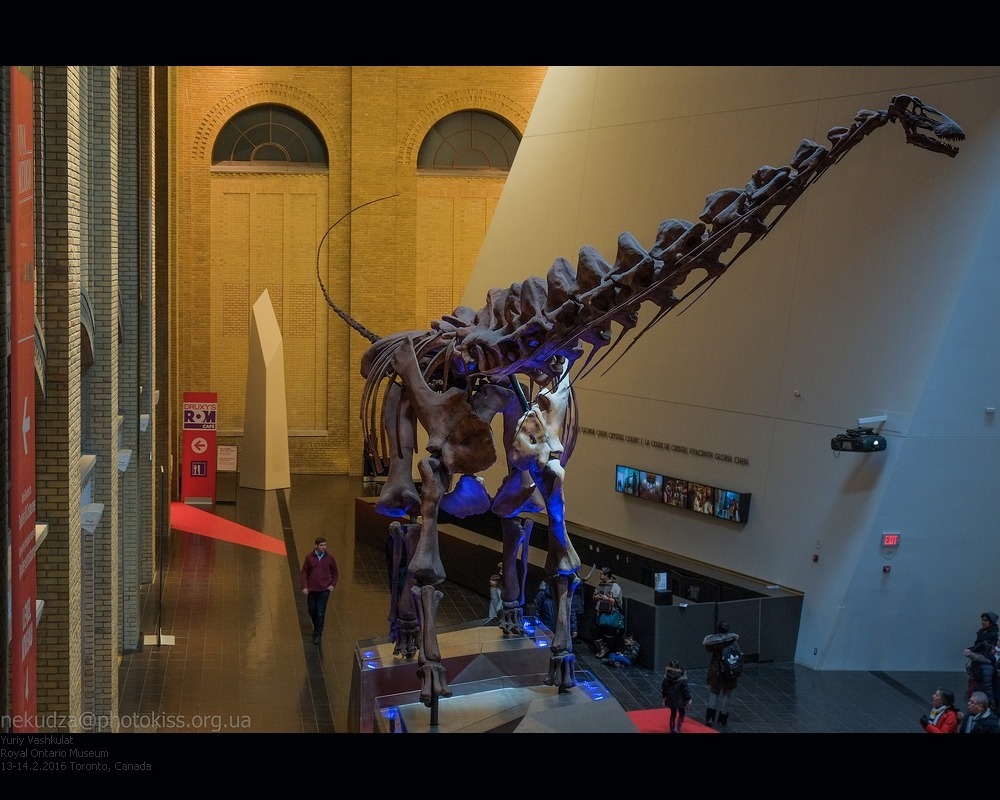
The James and Louise Temerty Dinosaur Age Galleries are one of the museum’s most popular spaces. It features one of the world’s finest dinosaur collections, with hundreds of exhibits ranging from original skeletons to fossils of plants, insects, and marine life. The galleries focus on life during the Jurassic and Cretaceous periods (from 200 to 65 million years ago) and are organized under three themes: Life on Land, Life in the Sea, and Life in the Air.
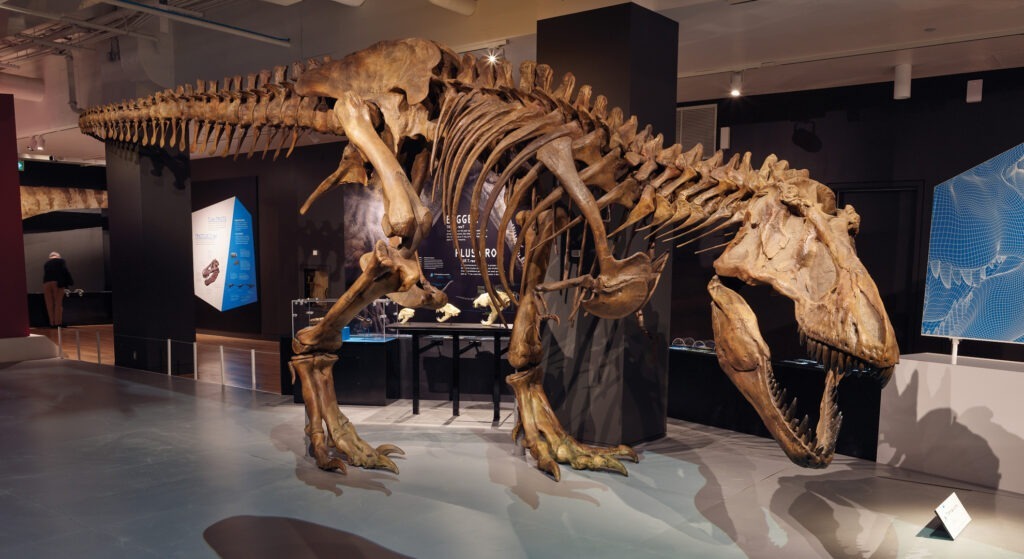
The centerpieces of the gallery are the majestic Tyrannosaurus rex, a huge barosaur named Gordo and the famous Hadrosaurus parasaurolophus. Especially valuable is the collection of duck-billed dinosaurs from Canada’s famous Alberta fossil deposits, recognized as one of the finest in the world.
The Earth Story Gallery offers visitors a fascinating journey through 4.5 billion years of our planet’s geologic history. It features a collection of meteorites, minerals and rocks, as well as interactive exhibits that explain geologic processes such as continental movement, volcanic activity and mountain formation.
TheLife Forms Gallery presents the biodiversity of our planet through a variety of stuffed animals and exhibits representing different ecosystems. Special emphasis is placed on the evolution of vertebrate and invertebrate animals, from the earliest marine organisms to modern mammals.
TheBird Gallery contains an extensive collection showcasing an amazing variety of birds from around the world. Rare and exotic species can be seen here, as well as representatives of the local Canadian fauna.
TheMammal Gallery features an impressive collection of stuffed large mammals, including African elephants, giraffes, rhinos, and predators such as lions and bears. The exhibit also includes marine mammals and primates.
TheGem and Mineral Gallery contains one of the most impressive collections in the world, including rare crystals, gemstones and gold nuggets. Of particular note is the collection of Canadian minerals, including the world’s largest specimen of silvered cobaltite.
Interactive Galleries
The ROM also offers a number of interactive galleries where visitors can not only observe but actively interact with the exhibits:
TheCIBC Research Gallery is specifically designed for young visitors and offers many interactive exhibits where children can participate in “archaeological digs,” study dinosaurs, view specimens under a microscope, and touch various artifacts.
TheBiodiversity Gallery uses multimedia technology to showcase the richness of our planet’s life forms and emphasize the importance of preserving them in the face of global environmental change.
The Digital Gallery offers innovative ways to interact with the museum’s collections through touch screens, virtual reality and other modern technologies, allowing for new ways of looking at cultural and natural heritage.
ROM’s collections are unique in their comprehensiveness and diversity. Here, artifacts from ancient civilizations and natural history, artworks from different eras and cultures are brought together under one roof, creating a holistic picture of the development of life on Earth and the history of mankind. This makes the Royal Ontario Museum not just a repository of valuable exhibits, but a true treasure trove of world culture and knowledge.
Research activities and scientific contributions
The Royal Ontario Museum is not only an exhibition space, but also Canada’s leading research institute and an international leader in new discoveries. With rich collections and first-class infrastructure, the museum plays an important role in advancing scientific knowledge in fields ranging from archaeology and anthropology to paleontology and mineralogy.
Scientific departments and laboratories
The ROM has several specialized scientific departments staffed by leading experts in their fields:
ThePaleobiology Department is dedicated to the study of fossils and ancient life forms. Scientists in this department regularly participate in expeditions around the world, discovering and describing new species of dinosaurs and other fossilized organisms. Thanks to the work of ROM paleobiologists, the scientific world has learned about such unique species as the ankylosaur Zuul crurivastator (Zuul crurivastator), named after a character in the movie Ghostbusters because of the resemblance of its skull to the mythical creature.
TheDepartment of Mineralogy and Geology studies minerals, rocks, meteorites and gemological materials from the museum’s collection. Research in this department helps to better understand geologic processes, the formation of mineral deposits, and the evolution of the Earth as a whole.
TheDepartment of Anthropology focuses on the study of material culture of various peoples of the world, both ancient and modern. Museum anthropologists conduct field research, document cultural practices and traditions, and analyze artifacts from the ROM collections using modern techniques including radiocarbon dating, spectroscopy, and DNA analysis.
TheBotany Department studies the diversity of plant life by maintaining an extensive herbarium with specimens from around the world. Research in this area helps catalog and preserve information on plant biodiversity, especially in the face of climate change and species extinction.
TheZoology Department is dedicated to the study of animal life, from invertebrates to large mammals. Museum zoologists participate in expeditions, describe new species and subspecies of animals, and study their ecology, behavior, and evolution.
Expeditions and field research
The ROM has a rich tradition of organizing scientific expeditions around the world. These field studies allow museum scientists to collect new specimens, study archaeological sites and natural in situ habitats, and collaborate with local researchers and communities.
One of the best-known expeditions in recent years was a series of paleontological excavations in the province of Alberta, where numerous dinosaur fossils were discovered, including rare specimens with preserved soft tissue and other organic material. These finds have helped expand our knowledge of the physiology, appearance, and behavior of ancient reptiles.
ROM’s archaeological expeditions in Egypt, Sudan, Jordan, and other Middle Eastern countries have yielded valuable discoveries that shed light on the ancient civilizations of the region. Museum archaeologists participate in excavations of ancient cities, necropolises, and temple complexes, uncovering artifacts that complement existing collections and help to better understand the history and culture of ancient societies.
In the field of ethnography, ROM researchers conduct fieldwork among indigenous peoples in Canada and elsewhere, documenting their material culture, traditions, languages, and ways of life. This research not only enriches museum collections, but also contributes to the preservation of Indigenous cultural heritage and the promotion of intercultural dialog.
Scientific publications and collaborations
The results of ROM’s scientific research are regularly published in leading international scientific journals such as Nature, Science, Journal of Vertebrate Paleontology, American Journal of Archaeology and many others. Museum scientists have also authored monographs, collection catalogs, and popular science books, making the results of their research available to both specialists and the general public.
The ROM actively collaborates with universities, research institutes, and other museums around the world. Many of the museum’s curators are simultaneously professors at the University of Toronto and other academic institutions, facilitating the integration of museum research into the educational process and the exchange of knowledge and expertise between the museum and academic communities.
The Museum also participates in major international research projects addressing global issues such as biodiversity conservation, climate change, cultural heritage protection and sustainable development. These projects are often interdisciplinary and bring together specialists from different fields of science.
Conservation and restoration
An important part of ROM’s research work is the conservation and restoration of objects from museum collections. In specialized laboratories, experienced restorers use both traditional methods and the latest technologies to preserve and, if necessary, restore artifacts and specimens.
The Textile Conservation Laboratory handles, stores, and restores historic fabrics, garments, and accessories, many of which are extremely fragile and require special conditions. The Ceramics and Glass Restoration Laboratory specializes in the restoration of ancient vessels, sculptures and other objects made of these materials. The Metal Conservation Department works with coins, weapons, jewelry and other metal artifacts, preventing their corrosion and destruction.
The conservation of paleontological specimens deserves special attention. The preparation of fossils for scientific study and display is a complex and painstaking process that requires special knowledge and skills. ROM specialists successfully cope with this task, making fossils available to researchers and museum visitors.
Innovation and technology
The ROM actively incorporates new technologies into its research work. Computed tomography allows us to study the internal structure of artifacts and fossils without damaging them. 3D scanning and modeling are used to create digital replicas of objects, making it easier to study them and share information with other researchers. DNA analysis helps to determine genetic relationships between ancient and modern organisms, and to study the origin of materials used to make artifacts.
The museum is also developing digital collections and databases, making information about its holdings available to researchers around the world. The OpenROM project, in addition to the physical transformation of the museum, includes a digital transformation aimed at increasing access to collections and knowledge for a global audience.
ROM’s research activities play a key role in the museum’s mission to advance our understanding of the artistic, cultural, and natural world. Through the work of the museum’s scholars and specialists, the treasures within its walls are not just exhibited, but actively studied, enriching our knowledge of the past and present of our planet and human civilization.
Educational Programs and Community Role
The Royal Ontario Museum plays a vital role in the educational and cultural life not only of Toronto, but of all of Canada. Moving beyond the traditional museum as a repository of artifacts, the ROM actively engages with diverse audiences through a variety of educational programs, events and initiatives, making knowledge and cultural heritage accessible to all segments of society.
Educational programs for school and college students
ROM offers a wide range of educational programs designed specifically for students of different ages, from preschoolers to college and university students. These programs are closely aligned with Canadian school curricula and cover a variety of subjects including history, science, geography, arts and cultural studies.
School visits provide students with the opportunity to explore the museum’s collections under the guidance of experienced museum educators. Special tours and activities have been developed for each age group, focusing on specific topics and appropriate to the developmental level of the children. During such visits, schoolchildren not only gain new knowledge, but also learn to think critically, ask questions and explore the world around them.
Traveling exhibitions and case studies allow the museum to “travel” to Ontario schools, bringing educational resources to remote and rural areas. These compact exhibitions include artifact reproductions, educational materials and lesson plans, helping teachers integrate the museum’s collections into the classroom, even in places where museum visits are difficult.

Summer camps and programs for children offer exciting educational activities during school breaks. In these programs, children can “dig” for dinosaurs, learn about ancient civilizations, experience art from different cultures, and participate in science experiments under the guidance of museum experts.
Programs for higher education students include internships, research projects, and courses in conjunction with universities. Many ROM curators also teach at the University of Toronto and other academic institutions, providing a strong link between museum collections and higher education.
Adult and Community Programs
ROM strives to be an educational resource for people of all ages and offers a variety of programs for adult audiences:
Public lectures and workshops are held regularly and cover a wide range of topics, from archaeological discoveries and paleontological research to art, culture, and contemporary global issues. These events give visitors the opportunity to learn more about the museum’s collections and staff research, and to interact with experts in various fields of study.
Adultcourses and workshops allow you to deepen your knowledge in specific areas such as art, history, archaeology, gemology, photography, and more. These longer, more intensive educational programs often include hands-on activities and access to the museum’s collections not featured in the main exhibition.
Community programs are designed to engage with diverse populations in Toronto and the province of Ontario. ROM actively engages with immigrant, ethnic and religious communities to develop programs that reflect their cultural heritage and promote intercultural dialogue. Special emphasis is placed on working with Canada’s Indigenous peoples, including projects to preserve and revitalize their cultural traditions, languages and knowledge.
Accessibility programs ensure that people with various disabilities can visit the museum and participate in its programs. This includes specialized tours for blind and visually impaired visitors with tactile elements, programs for people with cognitive disabilities, and making museum spaces physically accessible to visitors with limited mobility.
Digital Education and Online Resources
In today’s digital world, ROM is expanding its educational presence beyond the physical walls of the museum:
Virtual tours and exhibitions allow visitors to experience the museum’s collections from anywhere in the world. These digital resources are especially important for those who, for geographic or other reasons, cannot visit the museum in person.
Educational websites and portals offer educational materials, lesson plans, and interactive assignments related to the museum’s collections. These resources are developed in collaboration with educators and are aligned with the requirements of Canada’s education programs.
Podcasts and video series highlight different aspects of the museum’s work, staff research and stories related to the collections. These media projects make scientific knowledge accessible to a wide audience and popularize the museum’s activities.
Social media are actively used for educational purposes, offering short educational posts, virtual tours of exhibitions, and opportunities to interact with curators and other museum professionals.
Special events and initiatives
ROM regularly hosts special events that attract diverse audiences and create new ways to engage with the museum’s collections:
ROM Fridays are evening events for adults that combine access to exhibitions with live music, special presentations, food and drink. These events create a more informal and social atmosphere for exploring the museum.
Family Weekend offers interactive activities for all ages, including meetings with curators, demonstrations, workshops, and games related to the museum’s current exhibitions and collections.
The Third Tuesday Free program is an initiative that allows everyone to visit the museum for free on the third Tuesday of each month from 4:00 to 8:30 pm. This program makes cultural and educational experiences accessible to a wider audience, regardless of financial means.
Cultural festivals and celebrations focus on the various cultures and traditions represented in the Museum’s collections. These events include performances, traditional craft demonstrations, culinary tastings, and other elements that allow visitors to immerse themselves in the cultural diversity of our world.
Community Role and Social Responsibility
ROM recognizes its role as an important community institution and strives to make a positive contribution to society:
Environmental programs aim to raise awareness of biodiversity, climate change, and other environmental issues. The museum not only informs the public about these issues through exhibitions and educational programs, but also strives to be an example of environmental responsibility in its activities.
Intercultural dialog initiatives promote understanding and respect between different cultural and ethnic groups. ROM creates platforms for the exchange of ideas and experiences, helping to build a more inclusive and tolerant society.
Reconciliation programs with Indigenous Peoples reflect the Museum’s commitment to recognizing problematic aspects of past relationships with Indigenous communities and working to rectify them. In 2016, the museum held a reconciliation event at which it formally apologized for a 1989 exhibition on Africa that was criticized for reproducing colonial and Eurocentric views. ROM actively engages indigenous peoples in the development of exhibitions and programs related to their culture and history, and strives for more equitable and respectful representations of these communities.
Social initiatives include programs for low-income families, refugees, seniors and other vulnerable populations. ROM strives to be an inclusive space that is accessible and relevant to all members of the community.
ROM’s educational programs and community initiatives demonstrate the museum’s commitment to the idea that cultural and natural heritage belongs to all and should be accessible to everyone. Through these programs, the museum not only disseminates knowledge, but also contributes to the formation of a more informed, tolerant and environmentally responsible society, confirming its status as not just a repository of artifacts, but a living, dynamic cultural and educational center.
The museum’s contemporary role in Toronto’s cultural life
The Royal Ontario Museum has long transcended the boundaries of the traditional museum and has become an integral part of Toronto’s cultural and social life. In today’s world, where cultural institutions are faced with the need to constantly renew and adapt, the ROM has successfully transformed itself, maintaining its historical significance while evolving as a dynamic, inclusive and relevant space for diverse audiences.
ROM as the cultural center of the city
In the heart of the multicultural metropolis that is Toronto, the Royal Ontario Museum serves as a cultural hub that brings diverse communities together and offers a platform for intercultural dialogue. The museum reflects the city’s diverse population and strives to ensure that every visitor, regardless of background, can find something in the museum’s collections and programs that resonates with their experiences and interests.
The ROM actively collaborates with various Toronto cultural organizations such as the Art Gallery of Ontario, Opera Theatre of Canada, Toronto Symphony Orchestra and many others. These collaborations manifest themselves in joint exhibitions, performances, concerts and educational programs, creating synergies between different art forms and cultural experiences.
The museum’s downtown location, at the intersection of Bloor Street and Queens Park, makes it easily accessible to Torontonians and tourists alike. Its proximity to other cultural and educational institutions, such as the University of Toronto and York University, facilitates the museum’s integration into the city’s educational and research infrastructure.
Economic Impact and Tourism
The ROM is one of Toronto’s key tourist attractions, attracting more than one million visitors annually. This makes it not only a cultural asset but also an important economic asset to the city. Tourists who come to Toronto specifically to visit the museum or include it in their itinerary contribute to the local hospitality, food, transportation and retail industries.
The museum also creates hundreds of jobs both directly within its walls (curators, researchers, educational staff, administrators, caretakers) and indirectly through orders for services and goods from local businesses. In addition, ROM raises significant funds through donations, grants, and sponsorships that are injected into the city’s economy.
Major temporary exhibitions such as “Terracotta Warriors of the Qin Emperor,” “Pompeii: The City Beneath the Ashes,” or “Vikings: The Last Journey to Valhalla” become citywide events that attract additional visitor traffic and media attention. These exhibitions not only enrich the cultural life of the city, but also contribute to its promotion as an international tourist destination.
Digital transformation and new ways of interacting with audiences
The ROM is actively embracing digital technologies in an effort to expand its audience and offer new ways to interact with the museum’s collections. The museum’s official website offers not only information about exhibitions and programs, but also access to digital collections, virtual tours, and educational resources.
The COVID-19 pandemic accelerated the museum’s digital transformation. During the period of forced closure, the ROM developed a number of online initiatives, including virtual tours, educational programs for distance-learning schoolchildren, and a series of public lectures and curatorial talks via videoconference. Many of these initiatives have been so successful that they have continued after the museum reopened for business as usual.
Social media has become an important tool for engaging with audiences. The ROM has an active presence on a variety of platforms including Instagram, Twitter, Facebook, YouTube and TikTok, where the museum shares information about its collections, research, events and behind the scenes. This allows for a more direct and informal connection with audiences, especially the younger generation.
Mobile apps and augmented reality (AR) technologies are being used to enrich the experience of a museum visit by providing additional information about exhibits, interactive features, and personalized tour itineraries. These technologies make a museum visit more engaging and informative, especially for digital natives.
ROM as a laboratory for innovative museum practices
The Royal Ontario Museum is a site for experimenting with new exhibition formats, interpreting collections and engaging with visitors. The museum seeks to move beyond the traditional view of the exhibition space as a place where artifacts are displayed in vitrines with explanatory signage to offer a more immersive, interactive and multifaceted experience.
Interdisciplinary exhibitions that combine artifacts with contemporary art, performances, multimedia installations, and active visitor participation are becoming more common at ROM. They allow museum collections to be viewed from a new angle, making connections between past and present, and between different cultures and disciplines.
ROM is also experimenting with different curatorial models, including co-curating with representatives of the communities whose culture is represented in the museum and guest curators from different fields of art, science and social activism. This brings new perspectives and voices to the interpretation of museum collections and promotes a more inclusive and multifaceted presentation of cultural heritage.
The OpenROM project and a vision for the future
The OpenROM project launched by the museum symbolizes its commitment to become even more open, accessible and oriented to the needs of contemporary society. This major renovation project, led by Canadian architectural firm Hariri Pontarini Architects, aims not only to physically transform the museum space, but also to redefine the museum’s role in the 21st century.
The creation of a new Bloor Street entrance with floor-to-ceiling panoramic windows, a spacious lobby filled with artwork and exhibits, an impressive glass-ceilinged atrium and a forum for public events are all elements aimed at making the museum more inviting, comfortable and welcoming to visitors. The additional exhibition spaces will allow for the display of more objects from the museum’s rich collections, many of which are currently stored in the vaults.
But OpenROM is not just an architectural project. It is the embodiment of the museum’s vision as an open and dynamic cultural and civic center, actively involved in the life of the city and responding to current issues and challenges of our time. ROM aims to be not only a repository of the past, but also a space for dialog about the present and future, where art, culture and nature become a starting point for thinking about global problems and finding solutions to them.
The funding of the OpenROM project through private donations, including a visionary $50 million donation from the Hennick Family Foundation, demonstrates the local community’s support for this vision and recognition of the museum’s important role in Toronto’s cultural and social life.
In today’s rapidly changing world, the Royal Ontario Museum is not just adapting to a new environment, but actively shaping its future by striving to remain relevant and relevant to diverse audiences. By combining respect for its historical heritage with a willingness to innovate and an openness to new ideas, the ROM continues to fulfill its mission to build bridges of understanding and appreciation to the world’s diverse cultures and treasured natural environments.
Conclusion
The Royal Ontario Museum is much more than a collection of artifacts and specimens. It is a living organism, constantly evolving and adapting to the changing needs of society without losing touch with its historical roots and original mission. From its founding in 1912 to the present day, the museum remains committed to the dissemination of knowledge and the preservation of cultural and natural heritage for future generations.
What makes the ROM unique is its ability to bring different disciplines and cultures together under one roof, creating a holistic picture of the development of life on Earth and human history. From majestic Jurassic dinosaurs to exquisite works of art from various civilizations, from ancient artifacts to modern installations, all of these exhibits together tell the fascinating story of our planet and its inhabitants.
The architectural appearance of the museum, which combines a historic building from the early 20th century with Michael Lee-Chin’s futuristic Crystal, is a clear embodiment of its philosophy of respect for the past while looking to the future. This duality permeates all of ROM’s activities, from research to educational programs, from exhibition policy to public initiatives.
As a research institute, the ROM has made significant contributions to scientific knowledge in fields ranging from paleontology to anthropology, from mineralogy to zoology. Thanks to the work of the museum’s scientists, important discoveries have been made, new species have been described, and our knowledge of natural processes and cultural phenomena has been deepened. These research activities not only enrich the museum’s collections, but also contribute to a better understanding of the world in which we live.
As an educational institution, the ROM offers many programs for a variety of audiences, from school children to retirees, from local residents to tourists from around the world. These programs make the museum’s collections accessible and understandable to every visitor, regardless of age, education, or cultural background. ROM believes that knowledge should be accessible to all and strives to overcome barriers that may impede this access.
As a cultural center, ROM plays an important role in Toronto’s life, enriching its cultural landscape and contributing to the city’s identity as an international, cosmopolitan and innovative metropolis. The museum not only attracts tourists, but also creates a space for dialog and interaction between the diverse communities that form the city’s diverse population.
The OpenROM project symbolizes the museum’s aspiration to be even more open, accessible and inclusive. This project is not limited to physical changes in the museum’s architecture, but represents a holistic vision for the future of the ROM as a dynamic, contemporary and visitor-centered cultural institution.
In a world where globalization and digital technology are blurring the boundaries between countries and cultures, where environmental problems demand global solutions, and cultural conflicts remind us of the importance of mutual understanding and respect, the Royal Ontario Museum has an important mission. It not only preserves the legacy of the past, but also helps us better understand the present and prepare for the challenges of the future.
The ROM is not just a museum in the traditional sense of the word. It is a living, breathing, constantly evolving space where past and present, science and art, different cultures and worldviews meet. It is a place where everyone can find something that will inspire, surprise, make you think or simply give aesthetic pleasure. It is a treasure trove of knowledge, beauty and wisdom, open to all who are ready to embark on a fascinating journey through time and space.
For Torontonians and Canadians, the ROM is a source of pride, a symbol of the country’s cultural richness and scientific potential. For tourists, it is a must-see stop, offering unique experiences and unforgettable impressions. For scientists and researchers, it is an inexhaustible source of material to study. For children, it is a place to see dinosaurs, mummies and knight’s armor, a place where learning becomes an exciting adventure. For all of us, it’s a window into a fascinating world of nature, history and culture, a world of which we are a part.
The Royal Ontario Museum, with its rich collections, innovative programs and dedicated staff, truly deserves to be called a treasure trove of world culture. It continues to evolve and change while remaining true to its mission to inspire, educate and connect people through the arts, culture and nature of our wonderful world.
In conclusion, the Royal Ontario Museum is not just a building in downtown Toronto, not just a collection of artifacts and specimens, not just a research institute or an educational center. It is a living embodiment of the human quest to learn, to preserve and pass on knowledge, to understand our place in nature and history. It is a place where the past meets the present to help us envision and create a better future. It is a true treasure trove of world culture, accessible to anyone who crosses its threshold or visits it virtually through digital platforms.
A visit to the Royal Ontario Museum is not just a stroll through the galleries and halls, it is a journey through time and space, a journey that broadens horizons, enriches knowledge and leaves lasting impressions. It is an experience that reminds us of the richness and diversity of the world we live in, of the achievements and mistakes of our ancestors, of our responsibility to future generations. And this experience is available to anyone who is ready to discover the wonderful world of the Royal Ontario Museum.
Author Information

I’m a journalist specializing in urban issues and city politics in the Vancouver region, which I’ve covered since 1994, and I also have a strong focus on the iGaming industry. In this endlessly changing city, I cover a broad range of issues: from drug policy, bike lanes, billion-dollar development projects, homelessness, and garbage debates, to the rapidly evolving world of online gaming, including regulatory landscapes, technological advancements, and market trends. I write frequently for the Globe and Mail’s B.C. section and Report on Business. From 2008 to 2015, I had a regular column in Vancouver magazine, “Urban Fix,” which apparently resonated with readers so much that it earned me a few regional and national awards.
