
Introduction
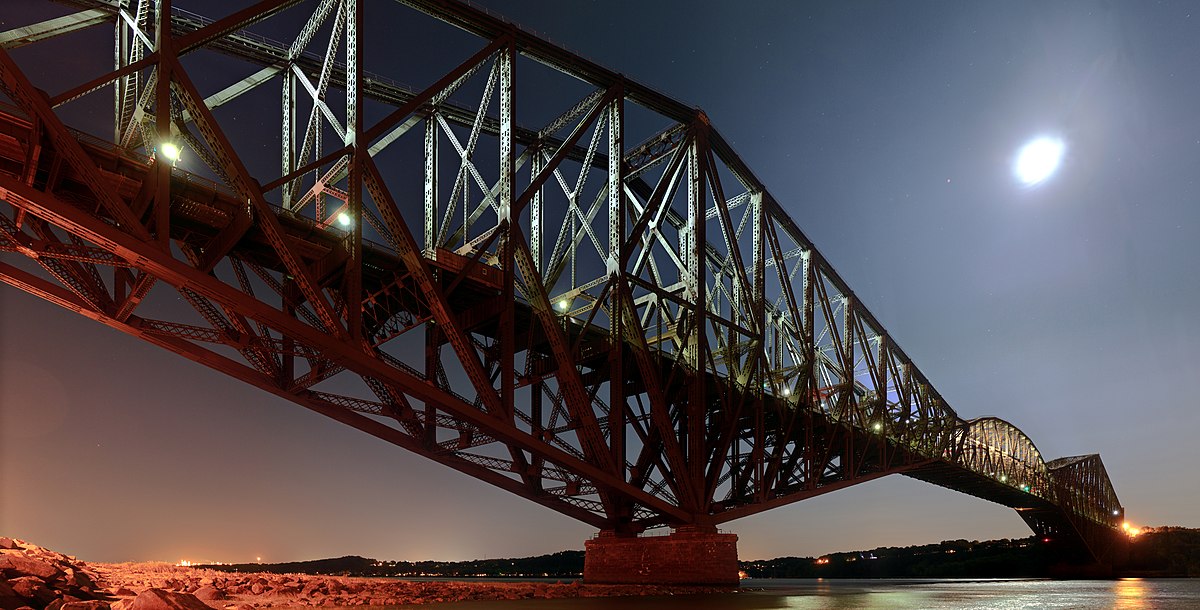
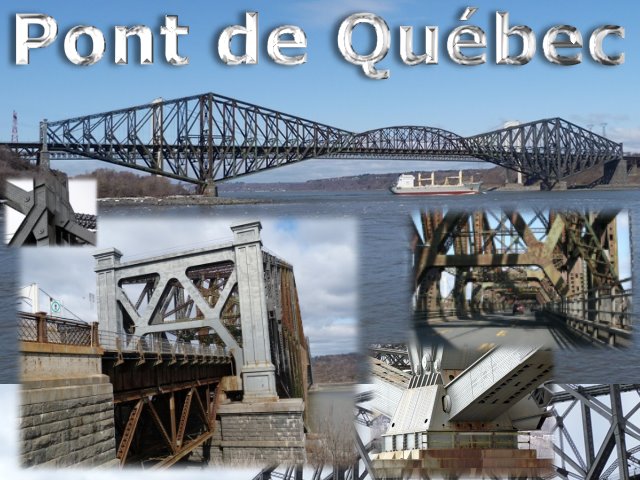
Rising majestically above the waters of the St. Lawrence River, the Quebec Bridge connects the banks between the cities of St. Foy and Levis in the province of Quebec, Canada. This colossal engineering project, completed after decades of construction and overcoming catastrophic failures, has come to symbolize human perseverance against the forces of nature and the technological challenges of the early 20th century. The Quebec Bridge is not just a transportation artery connecting two banks of a wide river; it is a monument of engineering whose history is colored by both great achievements and tragic losses.
The story of the Quebec Bridge is a tale of human ambition, technological miscalculations, catastrophic mistakes and, ultimately, the triumph of engineering. The bridge, which still holds the record for the longest cantilever bridge in the world with a main span of 549 meters, represents a milestone in the history of world bridge engineering.
The origins of the project: ambition and necessity
The history of the Quebec Bridge begins in the second half of the 19th century. The idea of building a bridge across the St. Lawrence River arose from the need to connect Quebec’s railroad networks with those of the United States. At the time, Montreal was the region’s main transportation hub, and Quebec sought to compete with it for commercial rail traffic. The solution was to be a grand railroad bridge over the St. Lawrence River.
The original Quebec Bridge Company was first incorporated by Act of Parliament under the government of Sir John A. Macdonald in 1887, later revived in 1891, and finally revived in 1897 by the government of Wilfrid Laurier, who granted the company additional time in 1900. In 1903, the bond issue was increased to $6,000,000 and preferred stock was authorized and the name changed to the Quebec Bridge and Railway Company (QBRC).
Canadian Prime Minister Sir Wilfrid Laurier laid the first cornerstone of the future bridge on October 2, 1900. The project was to be a national pride, a symbol of the progress and technological capabilities of the young Canadian nation. It was a period of industrial growth and technological innovation, and the Quebec Bridge was to showcase Canada’s engineering prowess to the world.
The first design and the 1907 disaster
The initial design of the bridge was entrusted to the renowned American engineer Theodore Cooper, who developed a cantilever structure as “the best and cheapest plan” for traversing the wide St. Lawrence River. The key word here turned out to be “cheap” – a decision that later led to disaster.

To reduce the cost of building supports further into the river, Cooper increased the bridge’s span from 490 to 550 meters. When Canadian government engineer Robert Douglas reviewed Cooper’s specifications, he criticized the very high loads that the increased span required. Cooper was outraged by this “nobody’s idea” engineer’s criticism, “It puts me in a subordinate position, which I cannot accept.”
Edward A. Hoare was appointed chief engineer of the Quebec Bridge Company, but he had never had experience with cantilever bridge structures longer than 90 meters (300 feet). Cooper refused to supervise construction on site, citing ill health, and entrusted the job to Peter Schlapke, who was merely a theoretical designer.
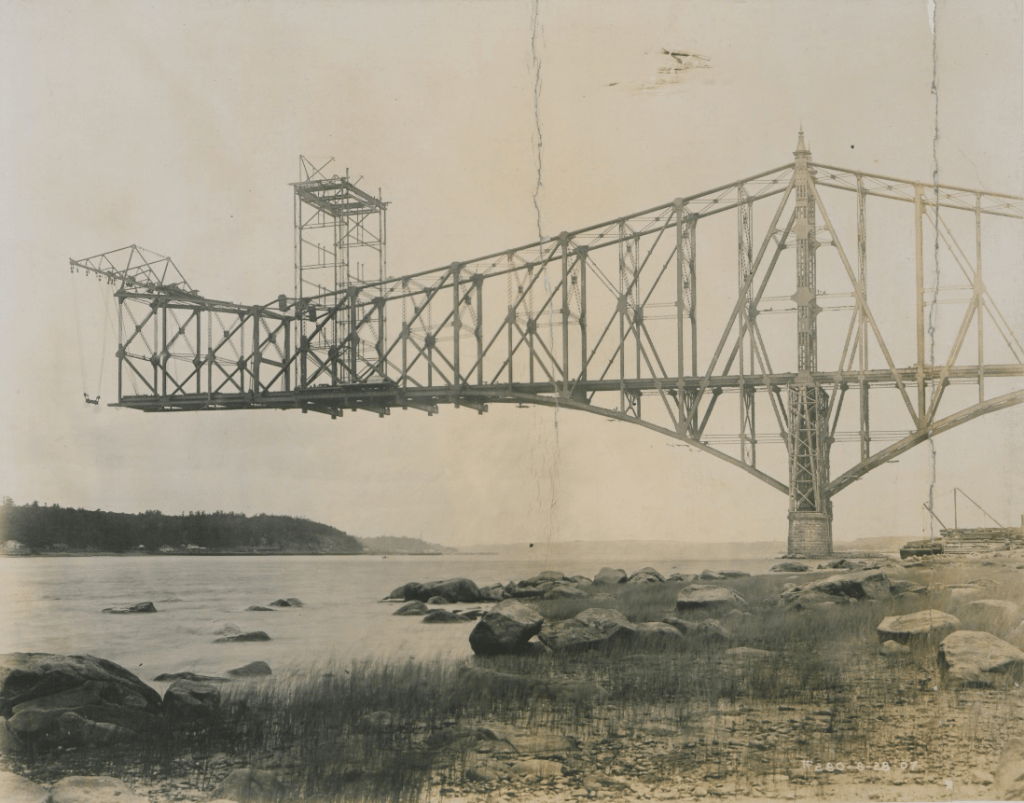
By 1904, the southern half of the structure had begun to take shape. However, the preliminary calculations made in the early planning stages were never properly checked when the design was finally approved, and the actual weight of the bridge far exceeded its load-bearing capacity. The permanent load was too heavy.
In the summer of 1907, the effects of Cooper’s design decisions and lack of on-site management began to show in the structure itself, especially in the “shrinking members”-the lower outer horizontal members running the entire length of the bridge.
A young engineer named Norman McLure was the first to notice the problem. on August 6, McLure reported to Cooper that the lower chords on the south shoulder were bent. Cooper responded with a telegram, almost pleading, “How did this happen?” McLure reported two additional bent chords on August 12, but Chief Engineer John Deans insisted on continuing the work. on Aug. 27, McLure measured the bend again. The deformation had increased. He reported this to Cooper, who telegraphed the bridge company in Pennsylvania, “Do not add load to the Quebec Bridge until all the facts are considered.” Cooper assumed that work had been stopped. Deans read the telegram but ignored it.
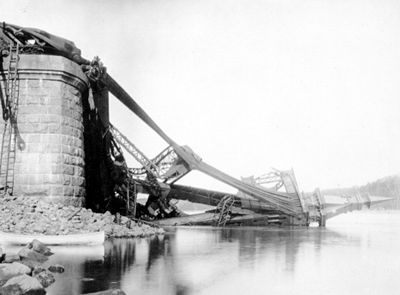
Fate or just blind luck determined who survived the ensuing disaster. on August 29, 1907, near the end of the workday, a worker named Bove noticed that a rivet he had hammered in not more than an hour earlier had split cleanly in two. When he called his foreman to break the alarming news, the air was pierced by the screech of twisting metal. The giant cantilever collapsed beneath them, tumbling into the river with such force that people in Quebec City, 10 kilometers from the construction site, thought an earthquake had hit them.
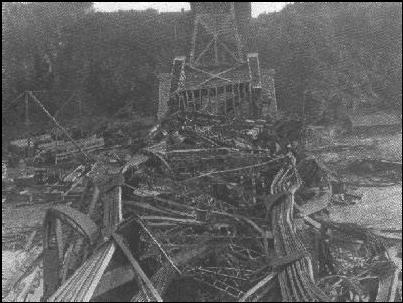
Of the 86 workers on the bridge that day, 75 died, many of them local members of the Mohawk Konawaga tribe, known for their work on high-rise steel structures. Some of the dead were crushed by the twisted steel; others died from falling. Still others drowned before rescue boats could reach them. In all, 75 people died, making it the deadliest bridge construction disaster in the history of bridge construction in the world at that time.
The Royal Commission of Inquiry into the disaster sharply criticized John Deans for his poor judgment in allowing work to continue when it was obvious that the bridge was in danger. However, the main blame was placed on the shoulders of Theodore Cooper, who made serious errors in design and load calculations. There was also criticism of the bridge company for putting profit before safety and of the engineers who neglected their professional and moral responsibilities.
The second project and the 1916 disaster
After the 1907 disaster, the Canadian government took control of the bridge project. It took two years to clear the river of debris. The site became a pilgrimage for engineers who came to study the devastating effects of human error.
Three engineers were appointed to design and build the new bridge: H. E. Votelle, a former Canadian Pacific Railroad engineer, Maurice Fitzmaurice of Great Britain, who had worked on the Fort Bridge, and Ralph Modjesky of Chicago. Votelle was president and chief engineer. The new design again called for a bridge with a single long cantilevered span, but much more massive.
The Canadian government rebuilt the bridge with much heavier (and much more unsightly) cantilevers. The rebuilt design used a new nickel-alloy steel that could withstand loads 40 times greater than carbon steel. The rebuilt bridge weighed two and a half times as much as the first bridge, demonstrating the inadequacy of the original design.
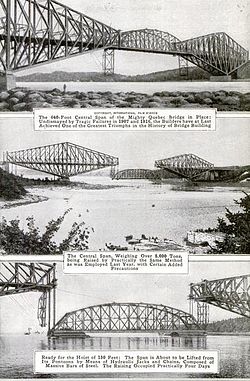
However, an evil fate haunted the ill-fated bridge. on September 11, 1916, as the center span was being raised to its design position, it fell into the river, killing 13 workers. The chief engineer had been informed of the problem six weeks before the collapse by the engineer responsible for the construction of the center section, Franz Lichtenberg, who also worked as an inspector for the federal government of Canada. There were immediate fears of German sabotage (World War I was underway), but it soon became clear that another tragic construction accident (a problem with the lifting devices) had occurred.
Rebuilding began almost immediately after the accident, and the bridge builders were given special permission to purchase steel, which was in high demand due to the war effort. The fallen center span still lies at the bottom of the river. After the bridge was completed in 1917, special passes were required for those wishing to cross the structure. Armed soldiers, and later Dominion Police, guarded the structure and checked the passes until the end of the war.
Completion and opening of the bridge
Raising the center span into place was considered a major engineering achievement. Construction was finally completed in August 1919 at a total cost of $25 million dollars and at the cost of the lives of 88 bridge builders. on December 3, 1919, after nearly two decades of construction, the Quebec Bridge was opened to rail traffic. on August 29, 1919, the Prince of Wales (future King Edward VIII) officially opened the bridge.
Specifications and engineering achievements
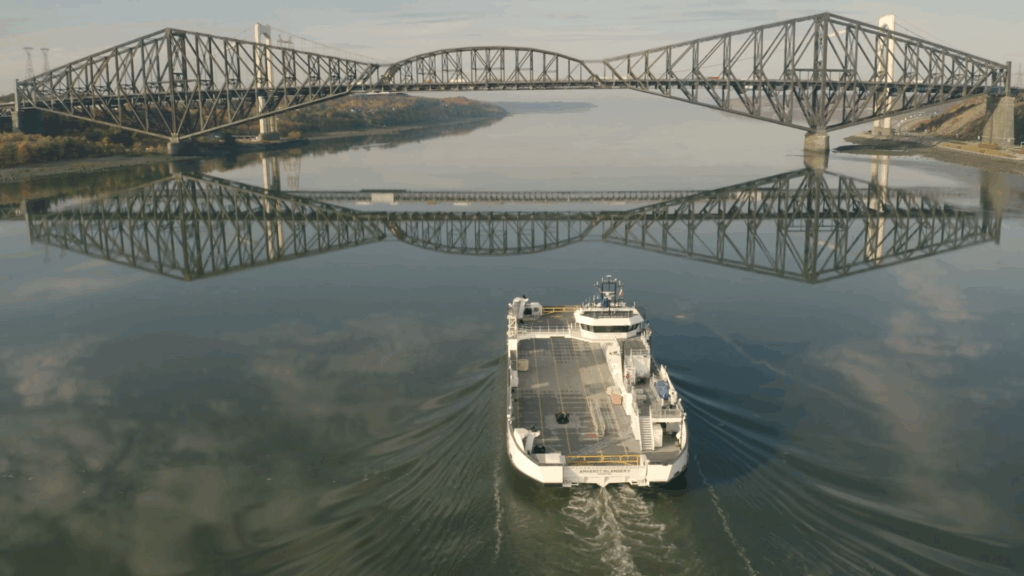
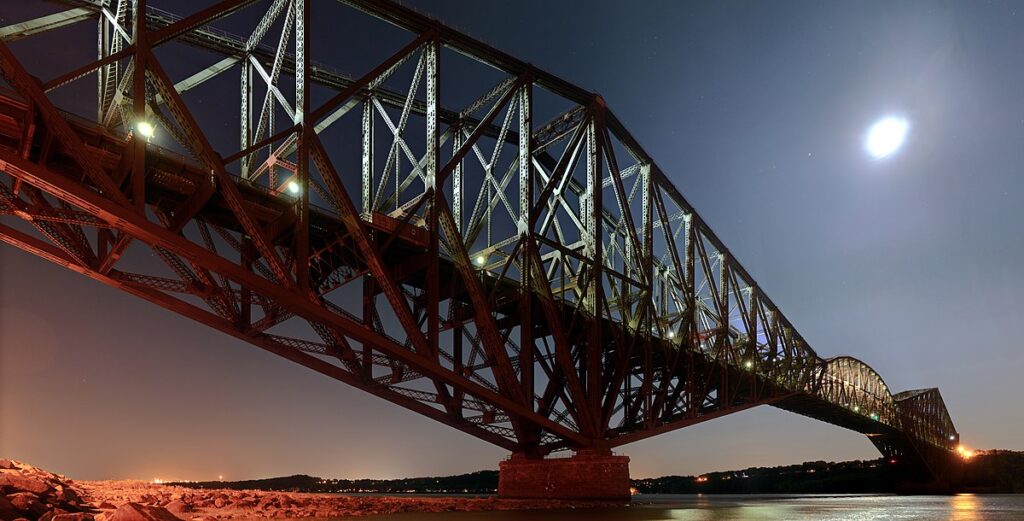
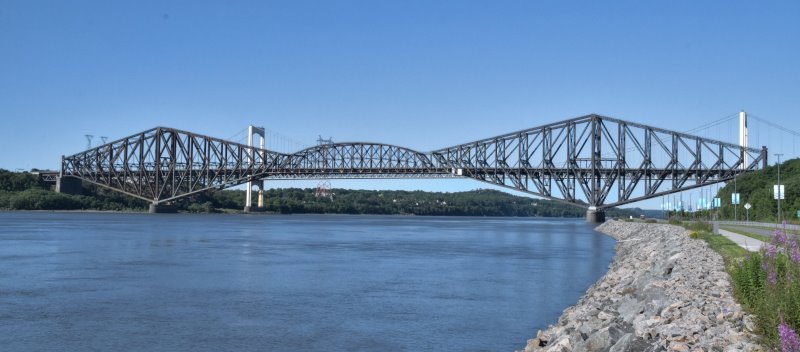
The Quebec Bridge is a steel riveted truss structure 987 meters (3,238 feet) long, 29 meters (95 feet) wide, and 104 meters (341 feet) high. The cantilever arms are 177 meters (581 feet) long.
The central span of the bridge is 549 meters (1,800 feet) between the main piers, making it the longest cantilever bridge in the world. This record has not been broken to this day. The bridge sits 46 meters (150 feet) above the water, allowing ocean-going vessels to pass underneath.
The Quebec bridge is impressive not only for its length and weight, but also for its width. At 20.4 meters (67 feet) wide, it could accommodate two sets of railroad tracks, two sets of streetcar tracks, and two carriageways for automobiles.
The redesigned bridge was one of the first large-scale applications of the new nickel alloy steel, which could withstand loads 40 times greater than carbon steel. The redesigned span weighed two and a half times as much as the first bridge, demonstrating the inadequacy of the original design.
Bridge deck configuration and evolution of use
The Quebec Bridge was originally designed as a railroad bridge to link the two banks of the St. Lawrence River and the railroads in Quebec and the United States, which were then operated by 11 railroad companies. The project included two tracks for trains and one lane for automobiles to pass.
In 1929, a roadway was added to the bridge’s two rail lines to meet the needs of residents of the greater Quebec City area, and the bridge operated as a toll bridge for automobiles from 1929 to 1942. In 1949, the federal authorities decided to reconfigure the decks by converting one of the railroad lines for automobile traffic. To accommodate the growing traffic between the banks, a third roadway was added in 1993.
Today, the Quebec Bridge continues to provide free movement of passengers and freight between the two banks of the St. Lawrence River and to other destinations in Canada and North America. More than 33,000 vehicles pass over the Quebec Bridge daily, including 404 public transit buses, and approximately 10 VIA Rail passenger trains and 3 CN freight trains. In addition, there are 1,000 pedestrian and bicycle crossings of the bridge per day during the summer months.
Cultural and historical value of the bridge
The Quebec Bridge is both an architectural gem and a National Historic Landmark. on May 23, 1987, the American Society of Civil Engineers designated the bridge as a Historic Civil Engineering Landmark to highlight the technical complexity of its construction at the turn of the century. At that time, only four other civil engineering sites around the world had been awarded this honor.
on November 24, 1995, the Government of Canada declared the bridge a National Historic Site, recognizing it as the most important bridge in Canadian civil engineering history.
Despite its tragic construction history, the Quebec Bridge has become a symbol of human perseverance and technical progress. Its disasters have led to significant improvements in research and testing methods, as well as better coordination between designers and contractors.
Myths and Legends: the Iron Ring of Engineers
There is a popular myth that the iron and steel from the collapsed bridge, which could not be used for construction, was used to make the first Iron Rings worn by graduates of Canadian engineering schools starting in 1925.
The Iron Ring is a symbol of the professional responsibility of engineers, a reminder that their work directly affects the safety and well-being of society. While the connection between the rings and the bridge is legendary, it underscores the profound impact the Quebec bridge disaster had on the engineering profession in Canada. The bridge collapse taught engineers caution and reminded them of the enormous responsibility that rested on their shoulders.
The current status and future of the bridge
on May 15, 2024, the Quebec Bridge was purchased by the Federal Government of Canada from Canadian National Railway (CN), the company that owned it, for a symbolic $1. This agreement was aimed at preserving the historic bridge for future generations.
The agreement was formalized by the signing of a deed of transfer between Canada and CN on November 12, 2024. The bridge continues to serve as an important transportation artery connecting the two banks of the St. Lawrence River.
In May 2024, Canadian Prime Minister Justin Trudeau announced an agreement with Canadian National Railway (CN), then owner of the Quebec Bridge, to transfer the bridge to federal ownership to preserve this historic structure for future generations.
Engineering lessons from disasters
The Quebec Bridge collapses of 1907 and 1916 were pivotal moments in the history of engineering, especially in the field of bridge construction. These disasters led to fundamental changes in approaches to the design of large-scale infrastructure projects, as well as a reassessment of the ethical standards of the engineering profession.
Royal Commission investigation and findings
Following the first collapse, a Royal Commission was convened on August 29, 1907 to investigate the causes of the disaster. The Commission consisted of three members who were all engineers in good standing: Mr. Henry Holgate of Montreal, Mr. J. G. Currie of Campbellford, Ontario (also a McGill University lecturer), and Professor John Galbraith, then Dean of the Faculty of Applied Science and Engineering at the University of Toronto.
The commission carefully studied all aspects of the design and construction of the bridge and submitted its full report on February 20, 1908, with 15 findings. The commissioners held two men responsible for the disaster: consulting engineer Theodore Cooper and Peter L. Schlapka, chief design engineer of the Phoenix Bridge Company:
“(c) The design of the collapsed chords was developed by Mr. P. L. Schlapka, Design Engineer for Phoenix Bridge Company.
(d) The design has been checked and formally approved by Mr. Theodore Cooper, consulting engineer of the Quebec Bridge and Railway Company.
(e) The collapse cannot be attributed directly to any other cause than errors of judgment on the part of these two engineers.”
The Commission also noted:
“(k) The failure of the Quebec Bridge and Railway Company to appoint an experienced bridge engineer to the position of chief engineer was a mistake. This resulted in poor and ineffective oversight of all parts of the work by Quebec Bridge and Railway Company.”
Key technical errors
The investigation revealed a number of critical technical errors made during the design and construction of the original bridge:
- Incorrect dead load calculation: Preliminary calculations made in the early stages of design were not properly verified during final design approval. The actual weight of the bridge far exceeded its carrying capacity.
- Increasing the span without adequate reinforcement: Cooper increased the bridge span from 490 to 550 meters to save money on pier construction, but did not make sufficient changes to the structural design to accommodate the increased loads.
- Insufficient connection plate thickness: Many parts of the bridge were not strong enough for the anticipated loads, especially the connection plates at the bottom of the structure.
- Ignoring signs of deformation: In the weeks before the collapse, engineers noticed some of the bridge’s load-bearing members buckling, but work was not stopped to analyze the problem in detail.
- Lack of proper oversight: The failure of the chief designer, Theodore Cooper, to directly supervise the construction site meant that no one with sufficient experience and authority could identify and correct problems in a timely manner.
Impact on engineering practice
The Quebec bridge disasters had a profound impact on engineering practice and education, especially in North America:
- Improved calculation methods: More rigorous load calculation methods were developed for bridge structures, with greater emphasis on dead load calculations and safety factors.
- Improved materials science: An innovative nickel alloy steel was used for the second version of the bridge that could withstand loads 40 times greater than carbon steel, leading to further research into materials for bridge construction.
- Increased oversight and accountability: Stricter protocols were established for oversight of large engineering projects, requiring a clearer chain of responsibility and the mandatory presence of experienced engineers at the construction site.
- Changes in Engineering Education: The disaster encouraged the incorporation of engineering errors and ethics into curricula, emphasizing the importance of careful calculations and inspections.
- Creation of an Engineer’s Obligation Ritual: Although the direct link between the Quebec Bridge and the creation of the Iron Ring ceremony is a matter of debate, stories of the disaster are often used during the ceremony as a reminder to engineers of their professional and ethical responsibilities.
The social and human aspect of the tragedies
The Quebec bridge disasters had not only technical but also profound social consequences, especially for the families of the workers who died and for the indigenous communities that suffered disproportionate losses.
The victims and their families
The total number of victims of the two disasters was 88: 75 died in the 1907 collapse and 13 in 1916. In the first disaster, the dead included a variety of nationalities and backgrounds, but the Mohawk community of Kanevake (Kauanawaga) was particularly hard hit.
Of the 75 who died in the 1907 collapse, 33 were Mohawks from the Kanevake community. This community, located near Montreal, had a long tradition of working with metal structures at great heights. Mohawks from Kanevaque were involved in the construction of many iconic bridges and skyscrapers across North America, including the Empire State Building and the Golden Gate Bridge.
The loss of 33 people was a devastating blow to this small community. The dead were buried in Kanevak under crosses made of steel beams. For many families, the loss of the men, who were mostly breadwinners, meant a plunge into poverty. Although some compensation was later provided, it was insufficient to cover the long-term financial and emotional losses.
Remembrance of the victims and memorials
Various memorials have been established in honor of the workers who died:
- Kanevak Memorial: A special memorial was erected in the Mohawk community to honor fallen workers from their community.
- Steel Crosses: Crosses made from the steel girders of the bridge itself were placed on the graves of fallen Mohawks, symbolizing the connection between the workers and the structure that took their lives.
- Memorial Plaques: Memorial plaques have been placed on the Quebec Bridge itself to memorialize the victims of both disasters.
- Annual ceremonies: Over the years, commemorative ceremonies have been held on the anniversaries of the disasters, especially in the community of Kanevaque and in Quebec City.
Comparison with other major bridge projects of the era
The Quebec City Bridge was not the only ambitious bridge project of its time. The early twentieth century was an era of grandiose bridge building, with engineers striving to span ever wider spans and create ever more impressive structures.
Forth Bridge (Scotland)
Completed in 1890, 17 years before the first attempt at the Quebec Bridge, the Forth Bridge in Scotland was the previous record holder among cantilever bridges. Its main span was 521 meters, which was slightly shorter than the Quebec Bridge (549 meters). The success of the Fort Bridge provided inspiration for the designers of the Quebec Bridge, but they were unable to fully account for the differences in design and loads.
Interestingly, one of the engineers involved in the design of the second version of the Quebec Bridge, Maurice Fitzmaurice, had previously worked on the Fort Bridge. His experience was invaluable to the successful completion of the project.
Brooklyn Bridge (USA)
The Brooklyn Bridge, completed in 1883, was one of the most impressive suspension bridges of its time. Although its design differed significantly from the Quebec Bridge, both projects shared a spirit of engineering innovation and ambition. The Brooklyn Bridge also claimed the lives of 27 workers during construction, although this was far less than the losses during the construction of the Quebec Bridge.
Queensboro Bridge (USA)
The Queensborough Cantilever (now the Ed Koch Bridge) in New York City, built in 1909, was another important cantilever bridge of the era. Although smaller than the Quebec Bridge, its successful completion between the two Quebec Bridge disasters (1907 and 1916) provided valuable engineering lessons that could be applied to the Quebec project.
The importance of the Quebec Bridge to the development of Canadian engineering
The Quebec Bridge played a key role in shaping the Canadian engineering profession and national identity.
The formation of a national engineering identity
After the tragedy of 1907, the Canadian government assumed control of the project, and its successful completion became a matter of national pride and prestige. The Quebec Bridge was seen as a symbol of Canadian engineering progress and excellence, despite the initial setbacks.
The project fostered a national engineering school that began to move away from an over-reliance on American and European experts. The involvement of Canadian engineers, such as H. E. Votelle, in the redesign and successful completion of the bridge fostered confidence in Canadian engineering ability.
A legacy for Canadian engineering schools
The Quebec bridge disasters had a significant impact on the development of engineering education in Canada. The history of the bridge became an important teaching tool to demonstrate the consequences of technical errors and the importance of professional ethics.
Engineering schools across Canada began to place greater emphasis on failure analysis and the study of engineering disasters as a way of teaching students how to prevent similar mistakes in the future. This tradition continues today as the story of the Quebec Bridge continues to be an important part of engineering education in Canada.
The Ritual of the Iron Ring
One of the most enduring legacies of the Quebec Bridge disasters is the ritual of the Engineer’s Commitment, also known as the Iron Ring Ceremony. Although, as mentioned, the direct link between the metal of the bridge and the first rings is a myth, the history of the Quebec Bridge disasters itself is often referenced during this ceremony.
The ritual, created in 1925, involves giving an iron ring to engineering graduates as a symbol of their professional and ethical commitment. The ring is worn on the pinky finger of the working hand, and when an engineer draws or writes, the metal of the ring scrapes against the paper, a reminder of the importance of attention to detail and the potential consequences of mistakes.

Architectural and aesthetic aspects
Although the Quebec Bridge was designed primarily as a functional structure, it also has certain aesthetic qualities that make it a recognizable symbol of the Quebec region.
Visual impact
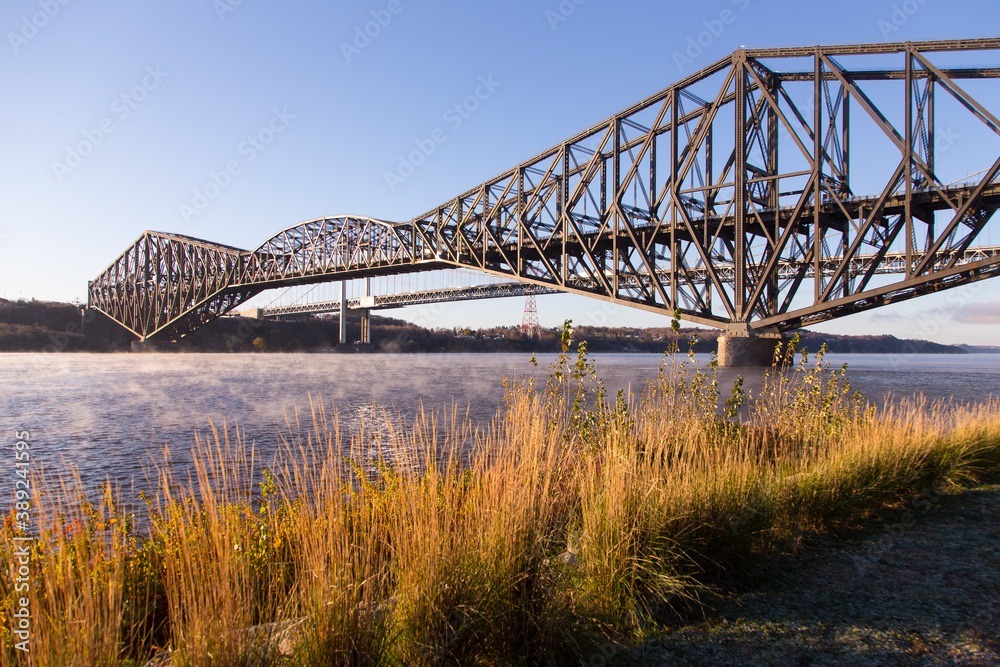
The Quebec Bridge, with its massive cantilevered structure, creates an impressive silhouette against the backdrop of the St. Lawrence River. Its size and proportions convey a sense of solidity and technical mastery that has made it an icon of engineering.
In contrast to the more elegant Forth Bridge in Scotland, the Quebec Bridge has a heavier and more functional appearance, reflecting its redesign after the first disaster. The second version of the bridge was intentionally redesigned with an emphasis on safety and durability rather than aesthetic appeal.
Integration into the landscape
The bridge’s location across the scenic St. Lawrence River creates a contrast between the natural and industrial landscapes. The bridge has become an integral part of the panorama of Quebec City and its surroundings, symbolizing the link between the historic areas on the north bank and the developing areas on the south bank.
Today, the Quebec Bridge, combined with the nearby Pierre Laporte Bridge (built in 1970), creates a distinctive double silhouette that has become a visual signature of the region and a popular destination for photographers and tourists.
The bridge in contemporary culture and tourism
In its more than a century of existence, the Quebec Bridge has become an important part of the region’s cultural heritage and a tourist attraction.
Tourist attraction
The Quebec Bridge attracts numerous tourists interested in engineering and architectural history. Although the bridge itself is not a tourist attraction with organized tours, many visitors come to see its impressive construction and to photograph it from various vantage points on both sides of the river.
Particularly popular are sunrise and sunset views of the bridge, when its silhouette stands out spectacularly against the painted sky, as well as backlit night views. There are special viewing platforms that allow you to enjoy the panorama of the bridge and the surrounding landscape.
Cultural and literary influences
The history of the Quebec Bridge has inspired many writers, artists and filmmakers. The dramatic events of its construction, the human tragedies and the ultimate triumph of overcoming technical and natural obstacles have been the subjects of numerous books, documentaries and works of art.
In Canadian literature, the disasters of the Quebec Bridge are sometimes used as a metaphor for broader themes of human arrogance, technological limitations, and perseverance in the face of disaster. The bridge is also referenced in some works on Quebec history and Canadian engineering.
The future of the Quebec Bridge and the challenges of preservation
Like many historic structures, the Quebec Bridge faces challenges related to its long-term maintenance and preservation.
Current condition and restoration
Throughout its more than century-long history, the Quebec Bridge has undergone various maintenance and modernization efforts. However, like many aging infrastructures, it requires constant attention to maintain its structural integrity and functionality.
The recent acquisition of the bridge by the federal government of Canada in 2024 was motivated by the need to ensure its proper preservation as a historic monument. It is expected that additional resources will be allocated under federal management for its maintenance and restoration.
Balancing historic preservation with contemporary needs
One of the key challenges to the future of the Quebec Bridge is the need to balance preserving its historic integrity with adapting it to modern transportation needs. The bridge continues to serve as an important artery for rail and road traffic, as well as for pedestrians and cyclists.
In recent years, efforts have been made to improve pedestrian and bicycle access to make the bridge more convenient for non-motorized traffic. These modifications should be done in a manner that respects the historic structure of the bridge.
Environmental Considerations
The location of the bridge over the St. Lawrence River, which is an important waterway and ecosystem, requires special attention to the environmental aspects of its maintenance. Painting and other forms of maintenance work must be done with minimal environmental impact.
In addition, the remains of the original 1907 structure and the 1916 center span, which are still on the river bottom, are of historical interest but also a potential environmental problem that needs to be controlled.
Conclusion: lessons from history for the future
The story of the Quebec Bridge is more than just a chronicle of an engineering project; it is a multifaceted narrative of human ambition, technical challenges, tragic mistakes and ultimate triumph over all obstacles. This story continues to teach us important lessons that are relevant in today’s world.
The enduring value of caution and professionalism
The Quebec Bridge reminds us of the need for constant vigilance and professionalism in the design and construction of major infrastructure projects. The 1907 and 1916 disasters occurred not because of unforeseen natural phenomena or external factors, but because of human error that could have been prevented with more careful analysis and oversight.
Today’s engineering standards and safety protocols are largely a legacy of lessons learned from such historical disasters. The Quebec Bridge serves as a constant reminder that technical progress must always be accompanied by responsibility and attention to detail.
A symbol of human perseverance
Despite two tragic failures, the builders of the Quebec Bridge did not give up on their goal. Their perseverance in overcoming technical obstacles and emotional turmoil after two disasters speaks to the deep human desire to overcome obstacles and achieve the seemingly impossible.
Today, as we face new global challenges, from climate change to the energy transition, the story of the Quebec Bridge can serve as an inspiration for perseverance in tackling complex problems, even when first attempts fail.
A balance between innovation and proven solutions
The history of the Quebec Bridge also teaches us the importance of balancing innovative approaches with proven methods. The original bridge design sought to surpass previous achievements, but underestimated the complexity of the task and the congestion that resulted.
The second and third versions of the design were much more conservative, with greater safety margins and the use of advanced materials such as nickel alloy steel. This pragmatic approach ensured the ultimate success of the project.
This story reminds today’s engineers and project managers to carefully analyze the risks and benefits when deciding on new technologies or methods, especially on projects where human lives are at stake.
Epilogue: a bridge to the future
Today, the Quebec Bridge stands not only as a practical connection between the two banks of the St. Lawrence River, but also as a link between the past and future of engineering. Its story of tragedies and triumphs, mistakes and innovations, is part of a larger narrative of the human endeavor to overcome natural barriers and create connections.
In an era when we are debating large-scale infrastructure projects to counter climate change, creating new modes of transportation, and designing structures that will stand for centuries, the lessons of the Quebec Bridge – about the importance of careful design, constant oversight, ethical responsibility, and human perseverance – remain as relevant as they were a century ago.
The Quebec Bridge continues to serve not only as a channel for the movement of people and goods, but also as a bridge between generations of engineers, builders and dreamers, connecting past lessons with future possibilities.
Author Information

I’m a journalist specializing in urban issues and city politics in the Vancouver region, which I’ve covered since 1994, and I also have a strong focus on the iGaming industry. In this endlessly changing city, I cover a broad range of issues: from drug policy, bike lanes, billion-dollar development projects, homelessness, and garbage debates, to the rapidly evolving world of online gaming, including regulatory landscapes, technological advancements, and market trends. I write frequently for the Globe and Mail’s B.C. section and Report on Business. From 2008 to 2015, I had a regular column in Vancouver magazine, “Urban Fix,” which apparently resonated with readers so much that it earned me a few regional and national awards.
