
Introduction: a lost paradise in the North Pacific Ocean
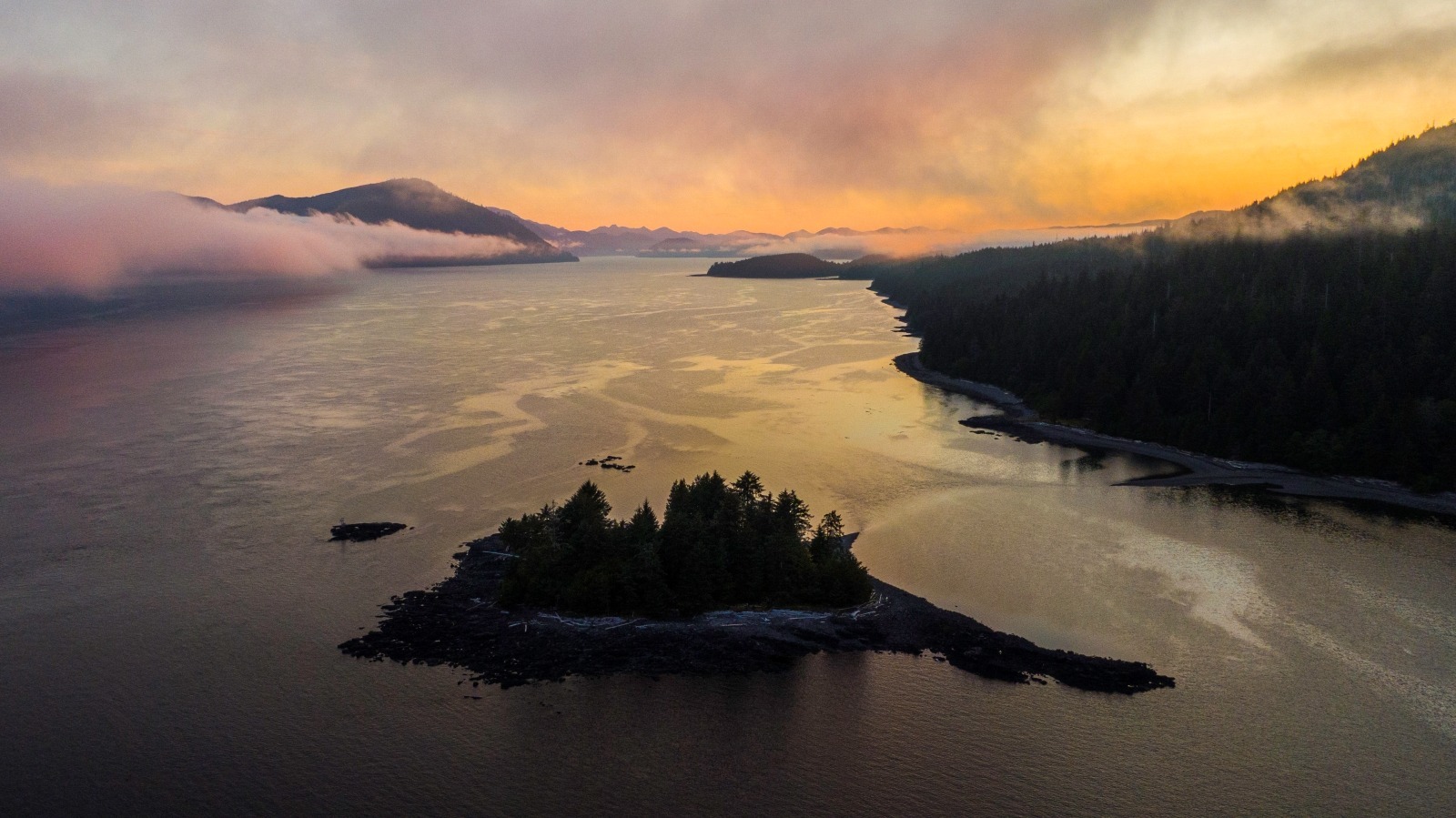
About 130 kilometers from the mainland of British Columbia, Canada, lies an amazing archipelago known as Haida-Guai (formerly Queen Charlotte Islands). At the southern tip of this archipelago is one of the most spectacular protected areas in North America, Guai-Haanas National Park. The name “Guai-Haanas” means “Islands of Beauty” or “Place of Wonders” in the language of the indigenous Haida people – and this definition is completely true.
Guayi-Haanas National Park Reserve and Heritage Site is a unique combination of unspoiled nature and the rich cultural heritage of the Haida people. Established in 1988, the reserve covers the southern part of Moresby Island, Lyell Island, Tanu Island and many other small islets. In 2010, the area was expanded with the creation of the Guai-Haanas National Marine Sanctuary, protecting not only the land but also the surrounding waters.
What makes this place especially valuable is the fact that the Guai-Haanas Park is one of the few places on the planet where nature protection and preservation of the cultural heritage of indigenous people go hand in hand. The spirit of the ancient traditions of the Haida people lives here, who have inhabited the land for centuries and have created a distinctive culture that is closely linked to the natural environment.
Geographical position and natural features
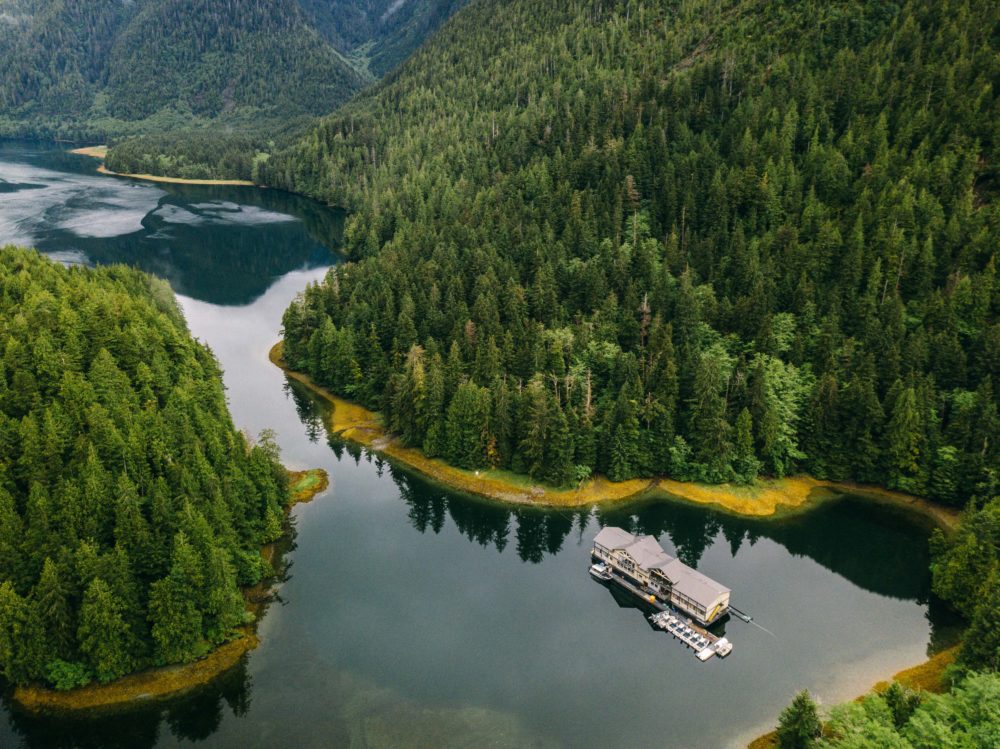
Guai-Haanas is located on the southern part of the Haida-Guai Archipelago, which consists of more than 150 islands of varying sizes. Territorially, the park includes the southern half of Moresby Island (the second largest in the archipelago), as well as 137 adjacent islands of various sizes. The total area of the national park is about 1,495 square kilometers of land, to which is added an extensive marine protected area.
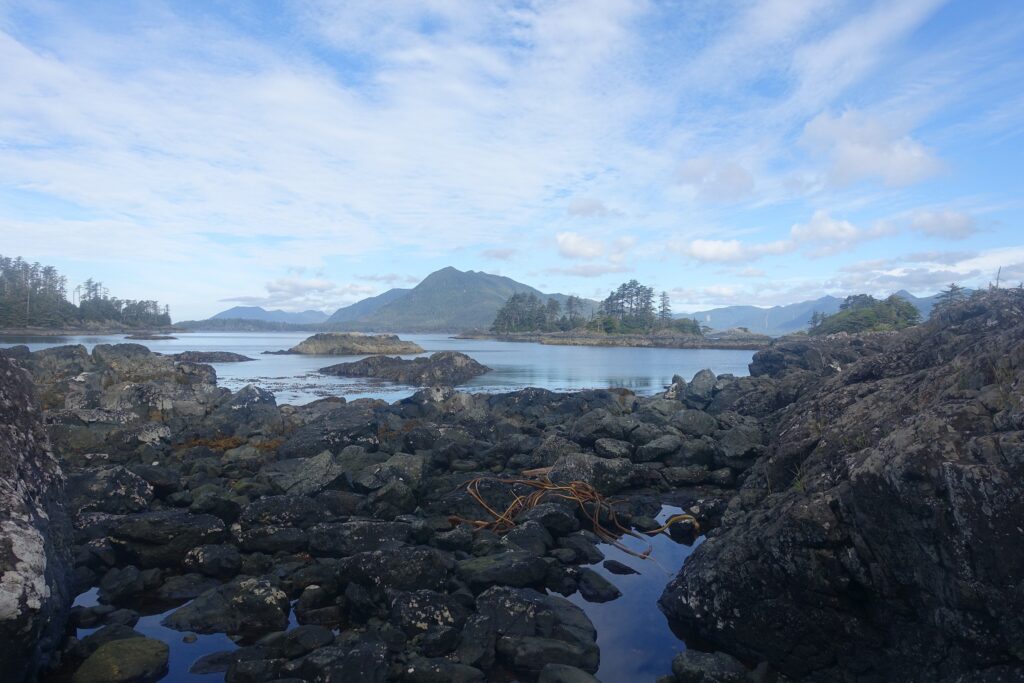
Geographically, Haida-Guai is separated from the mainland by the Hekate Strait, which is about 70 kilometers wide. The islands are often called “Canadian Galapagos” because of the high level of endemism of the local flora and fauna – many species living here are not found anywhere else in the world. The isolation of the archipelago has contributed to the formation of unique ecosystems and the emergence of special subspecies of animals.
The landscape of Guai-Haanas is extremely diverse. Here you can see deep fjords cutting into the coastline, majestic mountain peaks, endless temperate forests, alpine meadows, marshes and many small lakes. The park’s highest point, Mount De la Toche, rises 1,123 meters above sea level, creating an impressive mountainous landscape.
The climate of Guayi-Haanas can be characterized as cool and humid. Thanks to the warm Kuroshio current, the average temperature rarely drops below freezing in winter and is around 16-18°C in summer. Annual rainfall ranges from 1,300 mm on the east coast to over 4,000 mm on the western slopes. The abundant rainfall and mild climate create ideal conditions for the growth of lush, rainforest-like temperate forests.
Unique ecosystem: the flora and fauna of the islands

The biodiversity of Guai Haanas is truly impressive. The islands are home to many rare and endemic species of plants and animals. Prolonged isolation from the mainland has led to the development of subspecies with unique characteristics adapted to local conditions.
Forest ecosystems
The dominant vegetation type in Guai-Haanas is temperate rain forests. These ancient forests are composed predominantly of evergreen coniferous trees, notable among which are the majestic Sitka spruce (Picea sitchensis), western red cedars (Thuja plicata), and western tsugas (Tsuga heterophylla). Some of these trees reach colossal sizes and can be over a thousand years old. The abundant rainfall and mild climate create ideal conditions for the growth of mosses, lichens and epiphytes that cover the soil, trunks and branches of the trees, giving the forest a mysterious, almost mystical appearance.
The undergrowth in these forests is formed by plants such as sword ferns (Polystichum munitum), blueberries (Vaccinium ovalifolium) and salal (Gaultheria shallon). Over 700 species of vascular plants have been recorded within the park, many of which are rare or endemic.
Marine biodiversity
The marine part of the Guai-Haanas Reserve is equally rich in life. The coastal waters are home to numerous species of marine mammals, including gray whales (Eschrichtius robustus), humpback whales (Megaptera novaeangliae), killer whales (Orcinus orca), Pacific white-sided dolphins (Lagenorhynchus obliquidens), and Steller sea lions (Eumetopias jubatus).
Along the rocky shores, the richest intertidal zones form with many species of invertebrates – starfish, sea urchins, sea anemones, mollusks and crustaceans. In deeper waters, forests of giant brown algae (Macrocystis pyrifera) thrive, creating a three-dimensional habitat for countless marine organisms.
Terrestrial animals
The terrestrial fauna of Guai-Haanas has its own characteristics. Due to the archipelago’s isolation, many typical mainland predators such as wolves, cougars and grizzlies are absent here. However, the islands are home to a special subspecies of black bear (Ursus americanus carlottae), which is larger than its mainland relatives and has a more massive skull and teeth, the result of long evolutionary isolation.
Other interesting land mammals include the endemic subspecies of caribou (Rangifer tarandus dawsoni), unfortunately thought to have been extinct since the 1930s, and several species of small mammals, including endemic shrews.
Birds
The Guai-Haanas Islands are a paradise for birdwatchers. More than 200 species of birds, both nesting and migratory, have been recorded here. From May through September, a huge population of seabirds can be seen nesting here, including pintails (Fratercula cirrhata), cairns (Uria aalge), petrels (Puffinus) and others.
Of particular interest is the endemic subspecies of woodpecker (Picoides villosus picoideus), as well as local subspecies of owls and jays, which have marked morphological differences from their mainland relatives. White-headed eagles (Haliaeetus leucocephalus) are often seen hunting for fish in coastal areas.
Haida culture: guardians of the islands
The history of the Haida people in the Haida-Guai Archipelago dates back at least 12,000-13,000 years. Archaeological evidence confirms that the Haida are one of the oldest peoples to have continuously inhabited the same territory in North America. Over the millennia, this people have developed a deeply distinctive culture, intimately connected to the surrounding sea and forest.
Traditional way of life
The Haida culture belongs to the type of Native American culture of the northwest coast of North America. The main traditional occupations were fishing, sea hunting and gathering. The ocean was the main source of food and materials for the Haida. They skillfully caught salmon, halibut, sea bass, and other fish, hunted marine mammals including seals and sea lions, and gathered edible shellfish and seaweed.
The Haida used huge canoes hollowed out of solid cedar trunks to navigate the sea. Such boats could reach a length of 20 meters and could accommodate up to 60 people. The Haida used these boats to make long voyages along the coast for trade and military raids.
Before European contact (late 18th century), the Haida people numbered about 10,000-20,000 people living in numerous permanent settlements throughout the archipelago. Each village had several dozen to several hundred people living in large communal cedar plank houses, longhouses.
Social organization
Haida society was traditionally divided into two main matrilineal groups (moiety), the Eagle (Git’anee) and the Crow (Git’ins). Belonging to one or the other group was determined by maternal lineage and was unchanging during life. Marriages were concluded only between representatives of different Moyeti.
Within each Moieti there was a complex system of clans and lineages, each with its own hereditary privileges, histories, songs, dances and territories. The social structure was hierarchical, with hereditary chiefs, nobles, commoners, and slaves (usually captives captured in military raids).
An important part of social life was potlatchi – ceremonial feasts, at which the hosts distributed valuable gifts to their guests, demonstrating their wealth and confirming or raising their social status. Potlaches were held on the occasion of important events, such as the naming of children, initiations, weddings, funerals, or the erection of totem poles.
Arts and Crafts
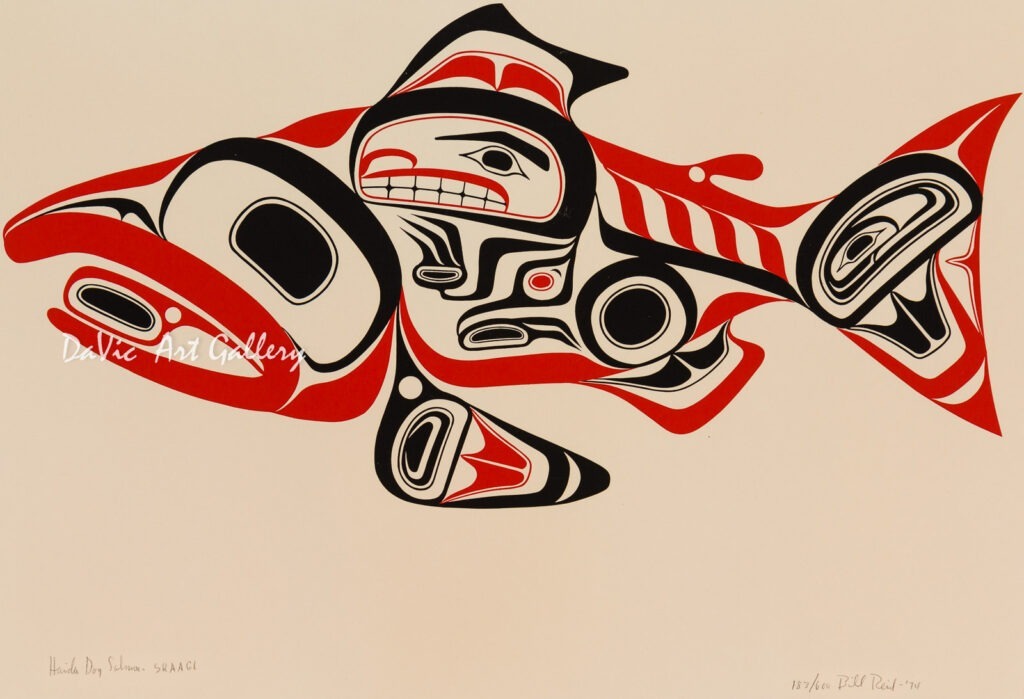
The Haida are known as some of the most skillful artisans among the indigenous peoples of North America. Their artistic tradition includes wood and argillite (soft black shale) carving, weaving, basket and hat weaving, and jewelry making in copper and, at a later period, silver.
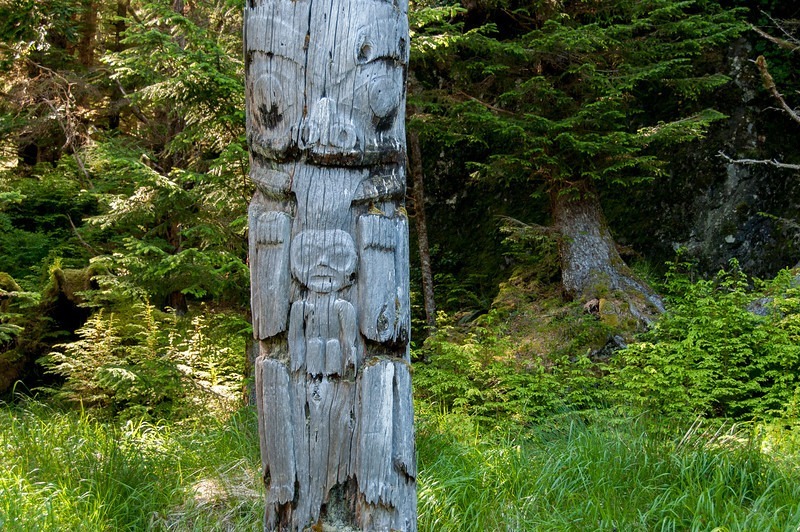
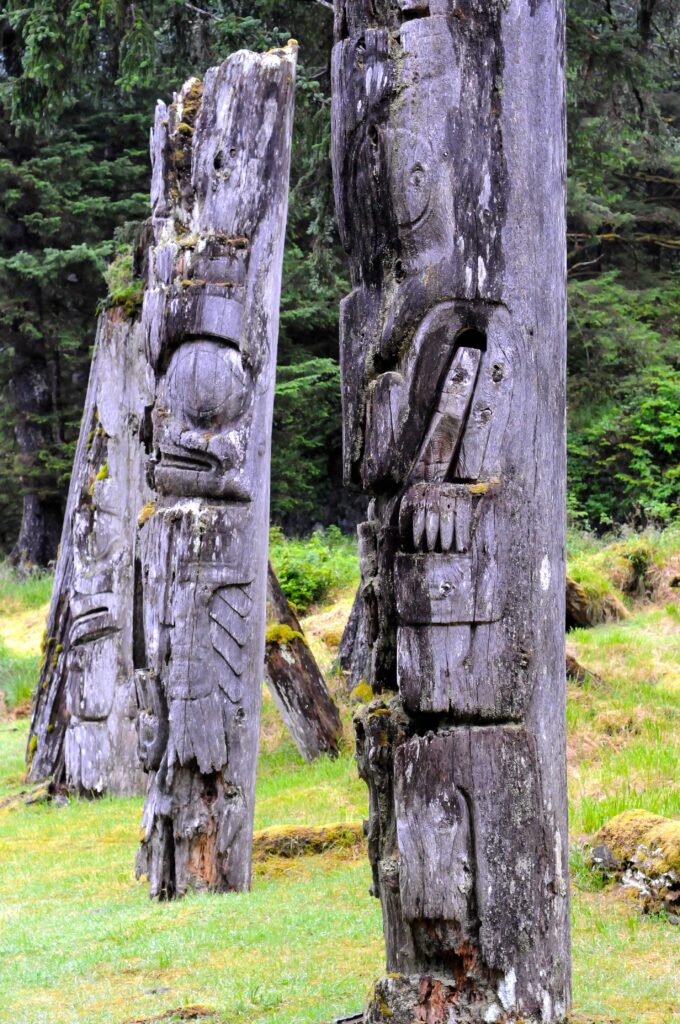
The most famous works of Haida art are totem poles (gyaams) – vertical logs up to 20 meters high, decorated with carved images of animals, mythological creatures and clan emblems. Totem poles served various functions: memorial, funerary, ancestral or house-pillars that served as the entrance to the longhouse. They often “told” the history of the family or memorialized important events.
Haida fine art is characterized by stylized forms and the use of what is known as formline, a system of lines of varying thicknesses that create flowing contours and shapes. The traditional color palette included black, red and sometimes blue-green hues.
Haida women created magnificent wickerwork: waterproof baskets, mats, and distinctive wide-brimmed hats decorated with geometric patterns. Bedding and ceremonial blankets woven from mountain goat down mixed with cedar bark were especially prized.
Worldview and spiritual practices
The Haida worldview is based on the close connection between humans and nature. They believed that all living beings and objects have a soul and a consciousness of their own. According to their cosmology, the world consists of three levels: the upper world (the sky), the middle world (the earth where people live) and the lower world (under the earth and sea).
Accordingly, the Haida believed that their ancestors were descended from ravens and eagles and decorated their homes and clothing with their images. A special place in Haida mythology is occupied by the Raven-Trickster, a creator and cultural hero who brought the sun, moon, stars, fire and water to the people.
Shamans (sgaa) played an important role in Haida society, mediating between people and the spiritual world. They cured illnesses, predicted the future, and led various rituals.
SGang Gwaay (Nan Sdins): a gem of cultural heritage
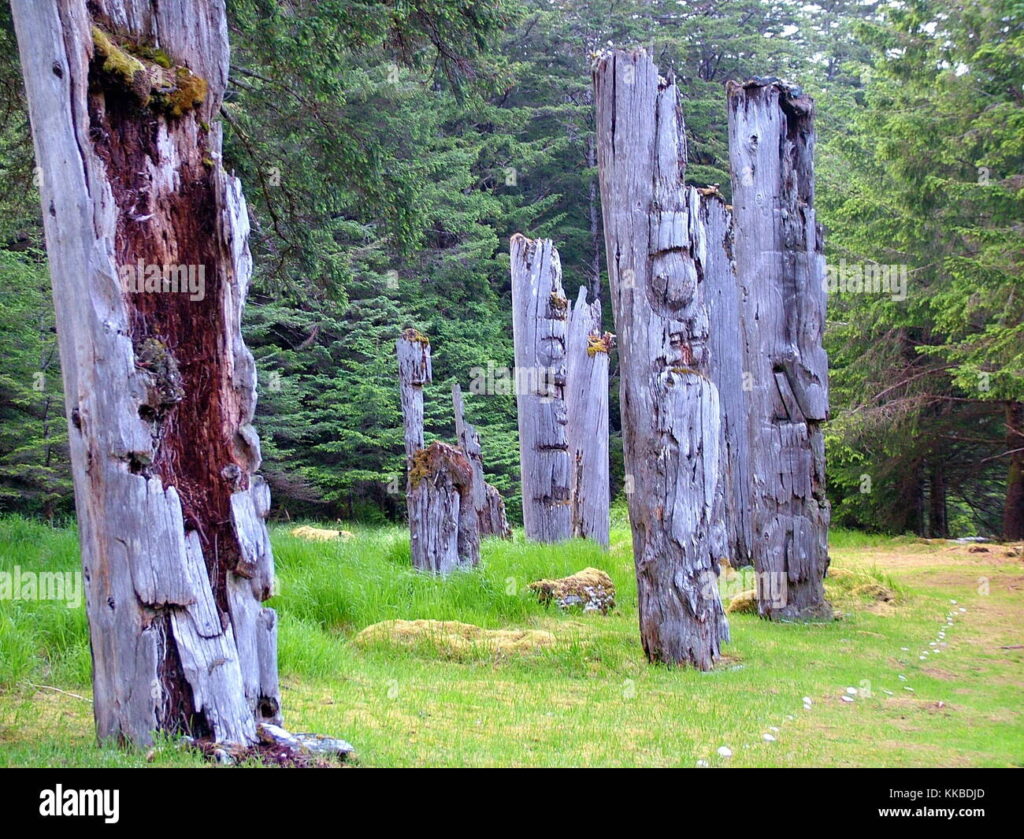
One of the most important cultural sites in Guai-Haanas Park is SG̱ang Gwaay (also known as Nan Sdins or Ninstints), an ancient Haida settlement on the small island of Anthony in the southwestern part of the archipelago. The site was designated a UNESCO World Heritage Site in 1981 as an exceptional example of the indigenous culture of the northwest coast.
History of the village
SG̱ang Gwaay was one of the southernmost villages of the Haida people and for a long time a thriving settlement. At its height, in the early 19th century, it was home to about 300 people in about 20 large communal houses. The village was home to the Kungkhit clan, belonging to the Crow moiety.
However, like many other Haida settlements, SG̱ang Gwaay was devastated by smallpox epidemics brought by Europeans in the 1860s. By the 1880s, the remaining residents were forced to leave the village and relocate to the northern settlements of Skidegate and Masset. The last permanent residents left SG̱ang Gwaay in the 1880s.
Architectural heritage
What makes SG̱ang Gwaay a unique place is the surviving remains of a traditional Haida village, including the ruins of ten longhouses and an impressive collection of over 30 totem poles. This is the largest collection of Haida totem poles preserved at their original site.
The totem poles at SG̱ang Gwaay are outstanding works of art, displaying the highest skill in wood carving. They depict clan symbols, mythological creatures and scenes from Haida stories and legends. Over time, under the influence of the humid climate, the wood slowly deteriorates, returning to nature – a process that the Haida themselves consider natural and proper.
Management and conservation
SG̱ang Gwaay is currently managed jointly by Parks Canada and the Haida Heritage Council. Special Haida caretakers, known as Haida Watchmen, live in the village during the summer months, protecting and interpreting this sacred place for visitors.
Access to SG̱ang Gwaay is restricted to protect the fragile archaeological resources. Visitors can only come in organized groups and accompanied by licensed guides or Haida representatives. The number of daily visitors is also strictly limited.
The conservation of SG̱ang Gwaay provides an interesting example of the balance between Western and traditional approaches to heritage protection. While the Western approach focuses on the physical preservation of artifacts, the traditional Haida worldview recognizes the natural cycle of destruction and rebirth. Collaborative management allows for compromises that respect both viewpoints.
Modern park management: a collaborative model

One of the most innovative features of Guayi-Haanas National Park is its management system, based on the principles of collaboration between the Government of Canada and the Haida people. This approach recognizes both the ecological value of the area and its cultural significance to the Indigenous people.
Archipelago Management Board
In 1993, the historic Gwaii Haanas Agreement (Gwaii Haanas Agreement) was signed, which established a framework for the joint management of the territory. This document established the Archipelago Management Board (AMB), a parity body in which representatives of the Government of Canada and the Haida Council have an equal number of votes.
Interestingly, the parties deliberately “agreed to disagree” on the issue of sovereignty over the territory. The Government of Canada considers the Guai-Haanas to be part of the Crown, while the Haida assert their traditional rights to the land. Rather than allow this fundamental disagreement to block cooperation, the parties decided to set the issue aside and focus on the practical management of the territory.
From the mountain tops to the depths of the sea
Another unique feature of Guayi-Haanas management is the integrated approach to protecting terrestrial and marine ecosystems. In 2010, the Guayi-Haanas National Marine Reserve was added to the national park reserve, making it one of the few places in the world where the protected area extends from the mountaintops to the depths of the ocean.
This approach reflects the traditional worldview of the Haida, who do not strictly separate land and sea, viewing them as one. As one of the Guai-Haanas governance principles states, “The Haida who inhabit the islands do not separate the aquatic and terrestrial parts.”
“Haida Guardians and Indigenous Participation
An important element of the park’s management is the Haida Watchmen program. This program, started in the 1980s, hires members of the Haida community to work at key cultural sites in the park during the tourist season (usually May to September).
The guards live in traditional areas, oversee the preservation of cultural sites, greet visitors, and share knowledge about Haida culture, history, and nature. This program not only protects cultural heritage, but also creates jobs for local people and promotes the preservation and transmission of traditional knowledge.
In addition, many members of the Haida community work as park rangers, guides, researchers and administrators, providing significant indigenous input into the day-to-day management of the area.
Tourism and visiting: a journey to a remote corner of the world
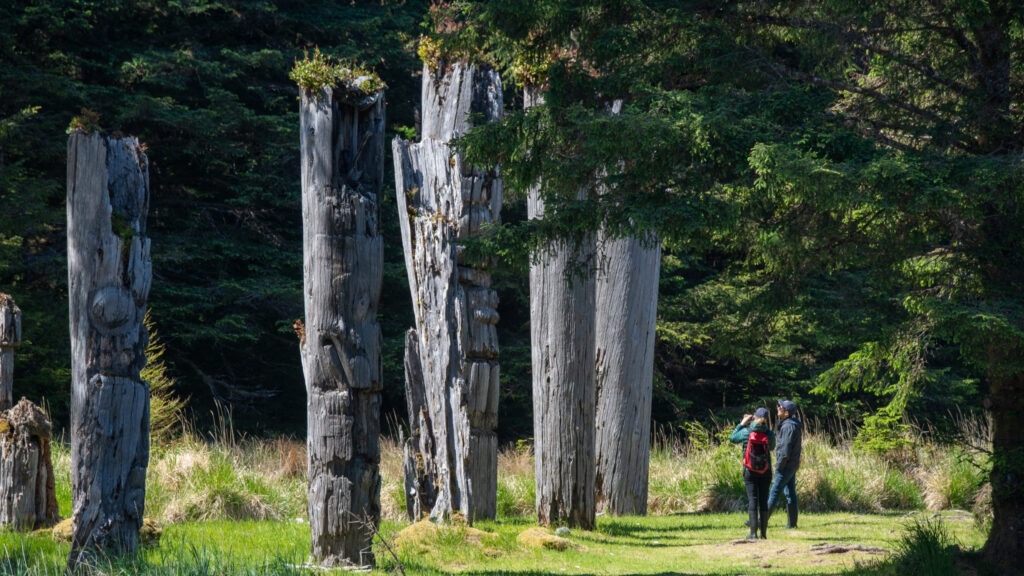
Guai-Haanas is one of British Columbia’s most inaccessible places, which preserves its pristine nature but makes it difficult to visit. Nevertheless, for prepared and interested travelers, this place offers a unique experience of immersion in wildlife and ancient culture.
How to get there
There are several ways to get to the Haida-Guai Archipelago:
- By air: regular flights from Vancouver to the towns of Masset and Sandspit in the archipelago.
- By ferry: BC Ferries operates ferries between Prince Rupert and Skidegate.
However, this is only the first leg of the journey. Guai-Haanas National Park itself has no land connection to the northern part of the archipelago. This reserve can be accessed either by seaplane or boat from the communities of northern Haida Guai.
Planning a visit
Visiting Guai-Haanas requires a permit from Parks Canada and a mandatory orientation. The number of visitors allowed into the park at one time is strictly limited to minimize impact on fragile ecosystems and cultural sites. Therefore, it is recommended to plan such a trip several months in advance.
The most common activities in the park include:
- Sea kayaking is one of the best ways to explore the coastal waters and small islands. Experienced kayakers can undertake self-guided multi-day expeditions, camping at equipped anchorages.
- Sea Cruises – Several companies offer multi-day cruises on small boats along the Guai-Haanas coastline with visits to cultural sites and wildlife watching opportunities.
- Visiting cultural sites – the most significant is SG̱ang Gwaay (Nan Sdins), but there are other historic villages including K’una (Skung Gwei), T’aanu and Hlk’yaah.
- HotSprings – The hot mineral springs of Gan Tlaa Das (also known as Hot Springs Island) are natural geothermal pools located on a small island. Unfortunately, the 2012 earthquake disrupted the flow of hot water, and the springs are currently only lukewarm, not hot.
Rules of behavior and etiquette
Visiting Guayi-Haanas requires adherence to strict rules aimed at preserving nature and respecting cultural traditions:
- Leave No Trace principle – anything brought into the park must be carried back; it is forbidden to collect plants, minerals or artifacts.
- While at cultural sites, you must follow the directions of the Haida Guardians and show proper respect for sacred sites.
- When encountering wildlife, maintain a safe distance and do not disturb them.
- Fishing is allowed only with proper licenses and quotas.
- Campfires are prohibited outside of designated areas.
Conservation issues and sustainable development
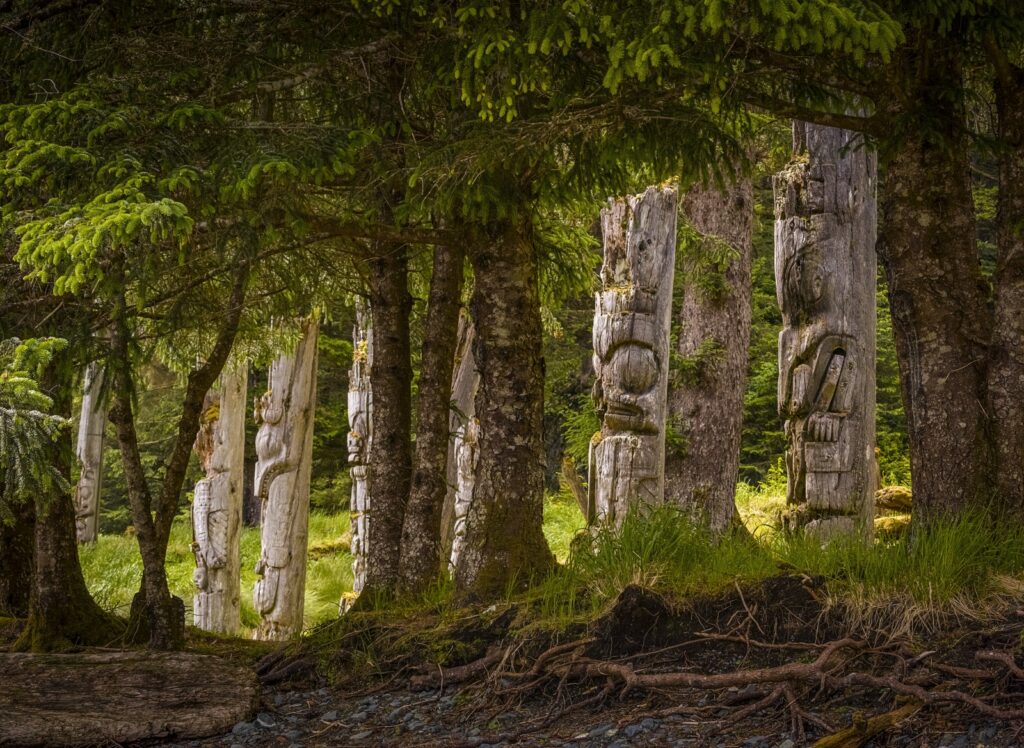
Despite its remote location and protected status, Guai-Jaanas National Park and the surrounding archipelago face a number of environmental and socio-economic challenges that require comprehensive solutions.
Invasive species
One of the most serious environmental threats to Guai-Haanas is the emergence of invasive (alien) species. The islands’ isolated ecosystems are particularly vulnerable to invasion by new organisms because native species have not developed adaptations to interact with them.
The most problematic invasive species in Guai-Haanas are:
- Black-tailed deer (Odocoileus hemionus columbianus) – introduced to the islands in the 1880s and, with no natural predators here, have multiplied to alarming numbers. Deer have a devastating impact on native vegetation, eating away at undergrowth and preventing the regeneration of native plant species.
- Rats (black and grayrats ) – came to the islands with ships and have become a serious threat to native birds, especially ground-nesting marine species such as buntings, which evolved without terrestrial predators.
- Feral cats and dogs – also threaten native small mammals and birds.
- Invasive plants – include Scottish heather, Himalayan blackberry and several other species that crowd out native vegetation.
Various programs are in place to control invasive species in Guai-Haanas. For example, a rat eradication initiative (Sgin Xaana Sdiihltl’lxa: The Nightbird Returns) has successfully eradicated rats from several islands, resulting in the recovery of populations of kachurikas and other seabirds.
Climate change
Climate change poses a significant threat to Guai-Haanas ecosystems. Projected impacts include:
- Sea level rise – could lead to inundation of low-lying coastal areas and destruction of cultural sites close to shore.
- Changes in water temperature – affects marine ecosystems, including coral colonies, fish and other marine organisms. Increasing ocean acidity is particularly dangerous to shellfish and other organisms that build calcareous shells.
- Changing precipitation patterns – can affect forest structure and lead to an increase in the frequency and intensity of wildfires.
- Increased storms – more frequent and powerful storms can damage coastal ecosystems and cultural sites.
Guayi-Haanas Park is actively involved in climate change monitoring and adaptation programs. Special attention is given to protecting cultural sites from erosion and mapping coastal areas at risk of flooding.
Sustainable tourism
Tourism represents both an opportunity and a challenge for Guayi-Haanas. On the one hand, it creates economic opportunities for the local population and raises awareness of the value of the area. On the other hand, uncontrolled tourism can have devastating impacts on fragile ecosystems and cultural sites.
To ensure sustainable tourism development in Guayi-Haanas, a number of strategies are employed:
- Limiting the number of visitors – to obtain a permit to visit the park, reservations must be made in advance, thus controlling anthropogenic pressure.
- Mandatory orientation – all visitors must attend an educational session where they are explained the rules of behavior in the park and the importance of protecting natural and cultural resources.
- Community Involvement – the Haida Guardians program and other initiatives ensure that indigenous people are actively involved in tourism activities, which promotes cultural exchange and community economic development.
- Environmentally responsible practices – low-carbon modes of travel (kayaking, sailing), waste minimization and use of environmentally friendly materials are encouraged.
Preservation and revitalization of Haida culture
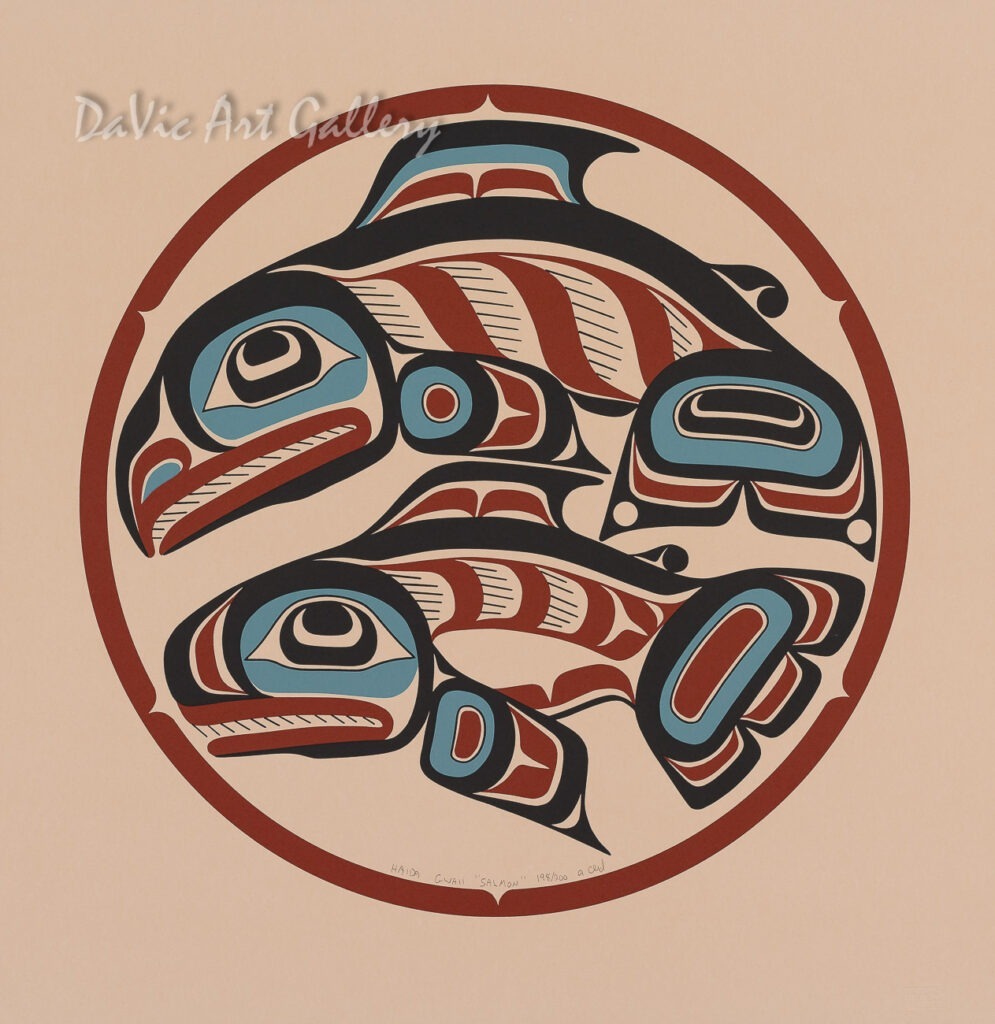
After a catastrophic decline in numbers in the 19th century (from an estimated 10,000-20,000 people to less than 600 by 1915 due to smallpox and other disease epidemics), the Haida people lost much of their cultural heritage. The Haida language was on the verge of extinction, and much traditional knowledge and practices were lost or threatened with extinction.
In recent decades, however, there has been a strong revitalization of Haida culture. Recently, the Haida Islands have seen the erection of important totem poles twice, the unveiling of two traditional-style houses and other cultural sites. These events symbolize the continuity and vitality of Haida culture.
Key initiatives to preserve and revitalize the culture include:
- Language revitalization – Haida language programs in schools and communities, creation of dictionaries and teaching materials, audio and video recordings of native speakers.
- Revitalization of traditional crafts – young woodcarvers, weavers and other artisans are trained by elders, preserving and developing traditional artistic styles.
- Repatriation of cultural objects – many Haida artifacts have been removed to museums and private collections around the world. The Haida Council is actively working to bring these items home.
- Documentation and preservation of cultural heritage – recording oral histories, traditional knowledge of medicinal plants, and collecting information on sacred sites and historic settlements.
Guayi-Haanas plays a central role in this cultural revitalization, providing a space to pass on traditional knowledge and showcase Haida culture to visitors.
Scientific research and monitoring
Scientific research plays an important role in the management and conservation of Guai-Haanas. The park is a natural laboratory for studying island ecosystems, evolutionary processes, marine biodiversity and human interactions with nature.
Combining traditional knowledge and modern science
One of the innovative aspects of research activities at Guai-Haanas is the integration of traditional Haida ecological knowledge with modern scientific methods. This approach, known as Two-Eyed Seeing, recognizes the value of both knowledge systems and seeks to build on their complementary strengths.
Traditional Haida knowledge includes detailed information about local species, their behavior, and ecological relationships accumulated over thousands of years of life in the archipelago. This knowledge often contains a historical perspective not available to modern scientific research and provides a context for understanding ecological change.
Examples of successful collaborations include:
- TheHaida-Guai Marine Plan, an integrated marine resource management plan based on both traditional knowledge and scientific evidence.
- Culturally Important Plant Mapping – a project in which traditional knowledge holders collaborate with botanists to identify and protect plant species important to Haida culture.
- Seabird population research – observations of local people help scientists track long-term changes in the abundance and distribution of different species.
Key research areas
Scientific research at Guai-Haanas covers a wide range of topics, but some of the most active areas include:
- Marine Ecology – studying the biodiversity of coastal and deep-sea ecosystems, the health of coral colonies, fish populations, and the effects of climate change on marine communities.
- Forest ecology – studies of temperate rain forest structure and dynamics, the impact of black-tailed deer on vegetation, and ecosystem restoration after invasive species removal.
- Archaeology and anthropology – excavation of ancient settlements, analysis of historical artifacts, and study of traditional use of natural resources.
- Biodiversity monitoring – long-term programs to observe populations of key species, including marine mammals, birds, predators, and rare plants.
The results of these studies have practical applications in park management, informing decisions about zoning, species protection, invasive organism control, and climate change adaptation.
The importance of Guai-Haanas in a global context
Guayi-Haanas has an enormous significance that extends far beyond its geographic boundaries. This corner of wildlife and living culture is valuable in a global context for several reasons.
Biodiversity and evolution
The Haida-Guai Archipelago is sometimes referred to as the “Canadian Galapagos” because of its importance in understanding the evolutionary processes of the islands. Prolonged isolation from the mainland has led to the development of unique life forms adapted to local conditions.
The endemic subspecies of animals and plants of Guai-Haanas represent a valuable genetic resource and a living laboratory for the study of evolution. In an era of global biodiversity loss, the conservation of such unique ecosystems is becoming increasingly important.
Co-management model
The Guayi-Haanas management system, based on collaboration between the government and indigenous people, is an innovative model that can serve as a model for other protected areas around the world.
This approach demonstrates how historical conflicts can be overcome and work together to achieve common conservation and cultural heritage goals. The success of Guai-Haanas has inspired similar co-management models in other parts of Canada and beyond.
Cultural heritage and intercultural dialog
SG̱ang Gwaay, as a UNESCO World Heritage Site, is recognized as one of the most outstanding examples of indigenous art and culture in North America. This status emphasizes the global value of Haida culture and promotes intercultural dialogue and understanding.
In today’s world, where many indigenous cultures are threatened with extinction, the Haida’s experience in restoring and revitalizing their traditions is of particular importance and can serve as an inspiration to other indigenous peoples.
Sustainable Development Laboratory
Guai-Haanas is a laboratory of sorts for testing the principles of sustainable development in a practical context. Here, innovative approaches are developed and applied to problems such as:
- Biodiversity conservation – strategies to protect rare species and control invasive organisms.
- Sustainable tourism – visitation patterns that minimize environmental impact while maximizing educational and cultural value.
- Climate change adaptation – methods for monitoring and mitigating the effects of global warming on island ecosystems.
- Integration of traditional and scientific knowledge – approaches that combine indigenous wisdom with modern scientific research.
The lessons learned in Guai-Haanas can be applied to other protected areas and contribute to the development of more effective global conservation strategies for nature and cultural heritage.
Conclusion: Islands of wonder and hope
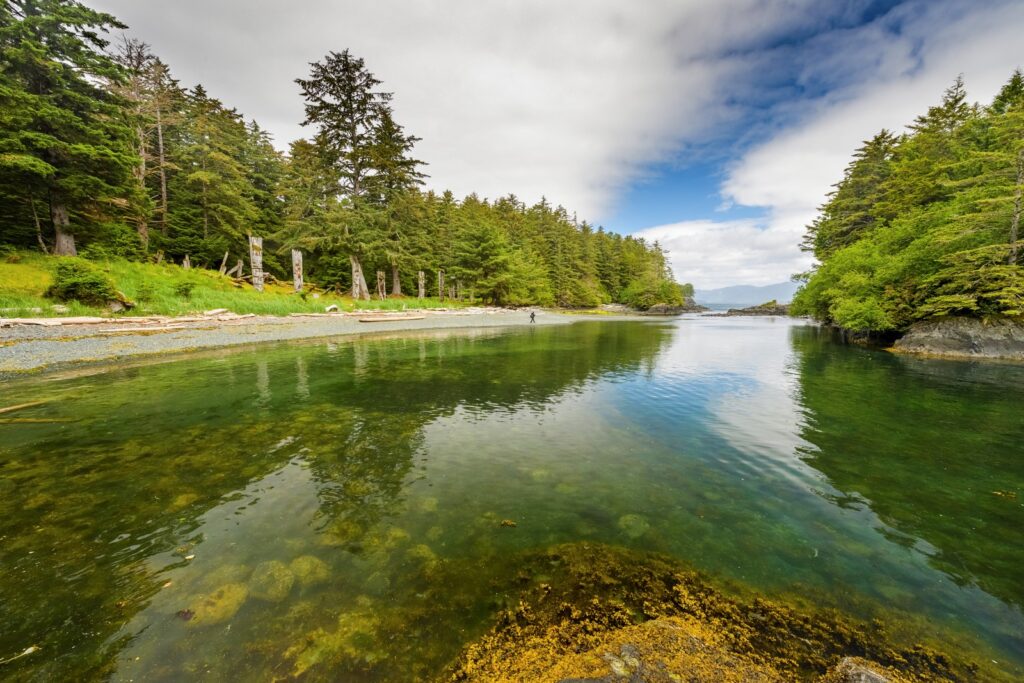
Guai-Haanas National Park is a truly unique place on our planet, where unspoiled nature neighbors the rich cultural heritage of the Haida people. It is a reserve that protects not only the physical landscape, but also the spiritual connection between the people and the land they live on.
From majestic cedar forests to rich marine ecosystems, from ancient totem poles to innovative co-management, Guayi-Haanas embodies the harmonious coexistence of man and nature. It is a place where the past meets the present and traditional wisdom complements modern science.
Despite the many challenges facing the park – from invasive species to climate change – Guai-Haanas continues to evolve and adapt. The successful collaboration between the Government of Canada and the Haida people proves that it is possible to find a balance between conservation, respect for indigenous cultures, and sustainable development.
For the few who have been lucky enough to visit this remote corner of the world, Guai-Haanas remains an unforgettable experience – a journey not only in space but also in time, an immersion in a world where every rock, tree and wave has a story to tell. For everyone else, it serves as a reminder that even in our rapidly changing world, there are still places of unspoiled beauty where ancient cultures continue their dialog with the earth.
Ultimately, the significance of Guai-Haanas extends far beyond its geographic boundaries. It is a symbol of hope – proof that with proper respect, understanding and cooperation, we can preserve both the natural treasures of our planet and the rich cultural heritage of its peoples for future generations.
The Haida-Guai Archipelago and Guai-Haanas National Park remain one of the last untouched corners of North America, a place to experience the pristine majesty of nature and immerse oneself in the depths of an ancient culture. In a world where natural resources are dwindling and cultural differences are often a source of conflict, this remote reserve points the way to a more sustainable and harmonious future – a future based on respect for the land and each other.
Author Information

I’m a journalist specializing in urban issues and city politics in the Vancouver region, which I’ve covered since 1994, and I also have a strong focus on the iGaming industry. In this endlessly changing city, I cover a broad range of issues: from drug policy, bike lanes, billion-dollar development projects, homelessness, and garbage debates, to the rapidly evolving world of online gaming, including regulatory landscapes, technological advancements, and market trends. I write frequently for the Globe and Mail’s B.C. section and Report on Business. From 2008 to 2015, I had a regular column in Vancouver magazine, “Urban Fix,” which apparently resonated with readers so much that it earned me a few regional and national awards.
