
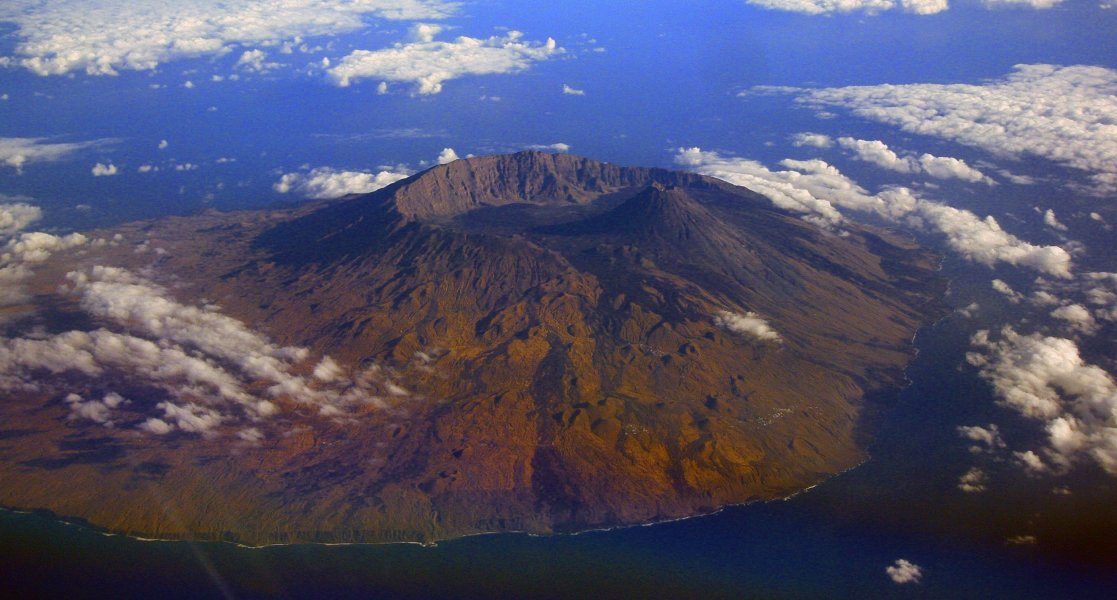
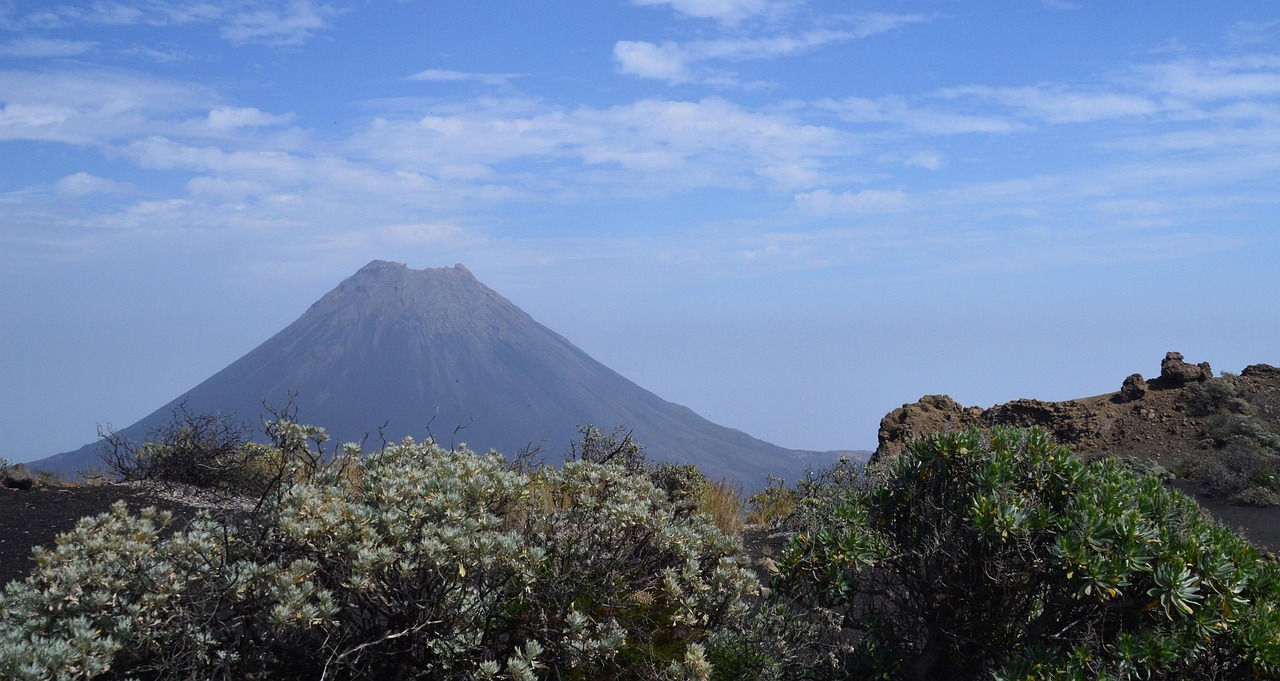
Fogo Island is one of the most interesting islands of the Cape Verde archipelago, located in the Atlantic Ocean off the coast of West Africa. The name “Fogo” translates from Portuguese as “fire, flame, fire”, which fully reflects its natural character. The central and most impressive attraction of the island is the active volcano Fogo, which rises 2829 meters above sea level – the highest point of the entire Cape Verdean state.Fogo Island: an amazing combination of traditional culture and modern design
This 476 km² island is characterized by a unique volcanic landscape with frozen lava flows that create a unique lunar landscape. The crater of the volcano, known as Chã das Caldeiras, is a vast basin that is home to around 1,200 people despite the seemingly uninviting surroundings. The volcano last erupted in 1995 and 2014, indicating that it is active.
Traditional culture and heritage
Historical Heritage
The history of Fogo Island is closely linked to the colonial past. The first Europeans to visit the archipelago in the 15th century were the Portuguese. Fogo Island was an important center of the slave trade, and later plantation agriculture developed. The island’s cultural heritage has been shaped by both Portuguese and African traditions, creating a unique fusion that today forms the basis of Cape Verdean Creole culture.
An interesting historical feature of Fogo is linked to the Duke of Montron, who in the nineteenth century developed a culture of viticulture on the island and left numerous descendants. To this day, part of the population of the Cha das Caldeiras area has light skin, blue eyes and blond hair – a living reminder of this historical period.
Architectural Heritage
The island’s architectural heritage is primarily represented in the city of San Felipe, the capital of Fogo. Here, colonial buildings (sobrados) that belonged to wealthy landowners have been preserved. They are characterized by a quadrangular architecture built around a central courtyard with trees. The buildings are decorated with glazed tiles imported from Portugal and the African continent.
A special feature of San Felipe is the bright, colorful architecture. Most of the city’s buildings are constructed of volcanic lava, which itself is a gray, unimpressive color. However, the locals have painted their homes in bright colors – blue, green, orange, red, yellow – which creates a striking contrast to the surrounding landscape and ocean.

Cultural Traditions
The culture of Fogo Island is an important part of Cape Verde’s overall culture, reflecting a blend of European, African and Latin American traditions. Music plays a special role in the lives of the locals. Traditional musical forms include the morna, melancholy songs similar to Portuguese fado, often sung in Creole.
Festivals on Fogo offer a unique immersion into the island’s vibrant culture. A standout among them is the Feast of São Filipi, celebrated annually in April. During this celebration, you can observe traditional dances, taste the local cuisine and participate in various cultural activities.
Crafts and gastronomy
The traditional handicrafts of Fogo Island include the making of volcanic lava products, which are sold in numerous stores, especially in the Cha das Caldeiras area. These souvenirs are unique to the island and reflect its volcanic nature.
Fogo’s gastronomic traditions are also worthy of special attention. The island is famous for its high quality coffee grown on volcanic soils. The coffee from the Mosteiroos region in the north of the island is particularly famous. Local wine, produced in the volcano crater area, is another iconic product of Fogo.

Traditional cuisine includes dishes such as Djigoti (made from pork, cabbage and cassava) and djagacida (made from beans, grains, lard or sausage). Desserts are often made with local fruits such as papaya and yams.
Modern design and architecture
In the context of modern design, it’s worth noting that there are two Fogo Islands – one in Cape Verde, which we discussed above, and one in Canada, in the province of Newfoundland and Labrador. Canada’s Fogo Island is also noteworthy for its unique blend of traditional culture with innovative modern architecture.
Fogo Island Inn and artist studios
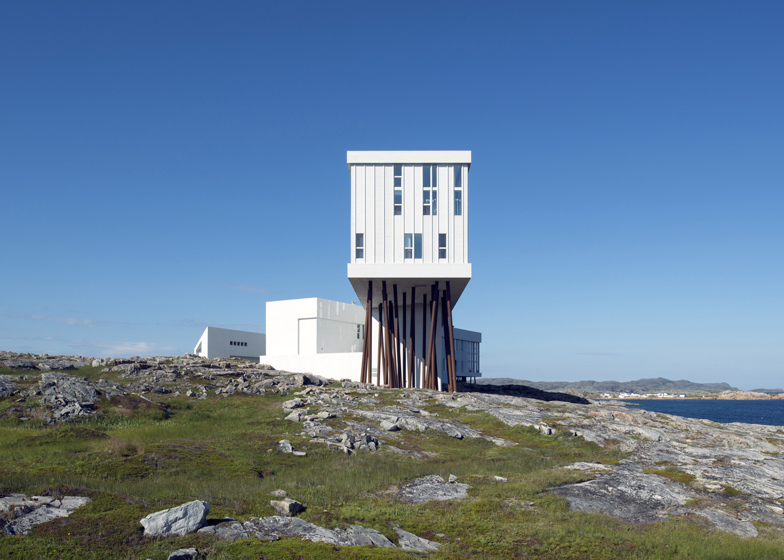
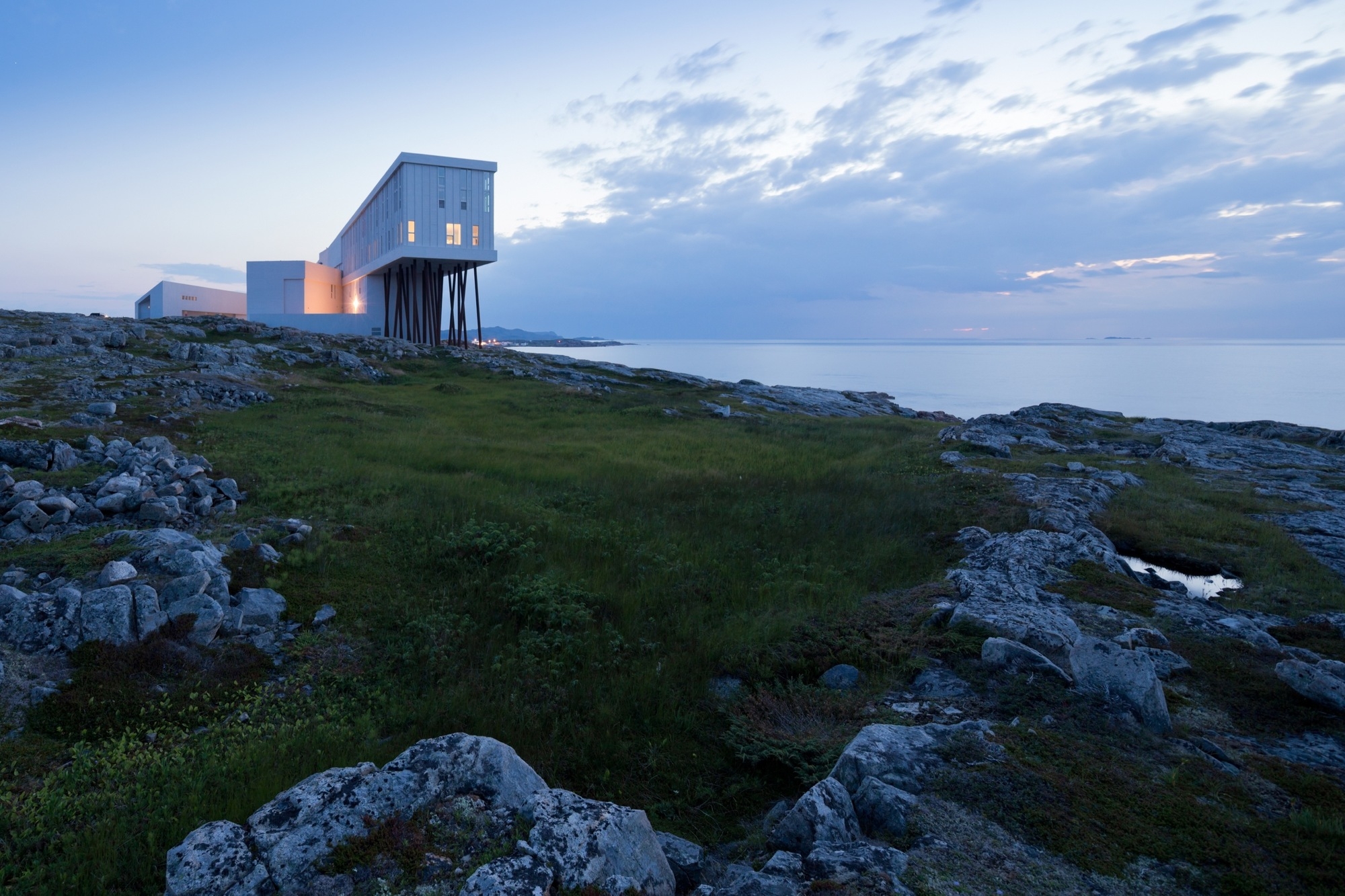
Canada’s Fogo Island has become known for an ambitious architectural project realized by Norwegian architect Todd Saunders. The centerpiece of this project is the Fogo Island Inn, an impressive structure on stilts perched on the island’s rocky shore.
The building is X-shaped, comprising a two-story and a four-story building. The hotel houses 29 unique rooms with panoramic ocean views and is fully integrated into the surrounding landscape. Numerous slender pillars support the protruding portions of the building, minimizing the impact on the rocks, lichens and plants of the coastal area.
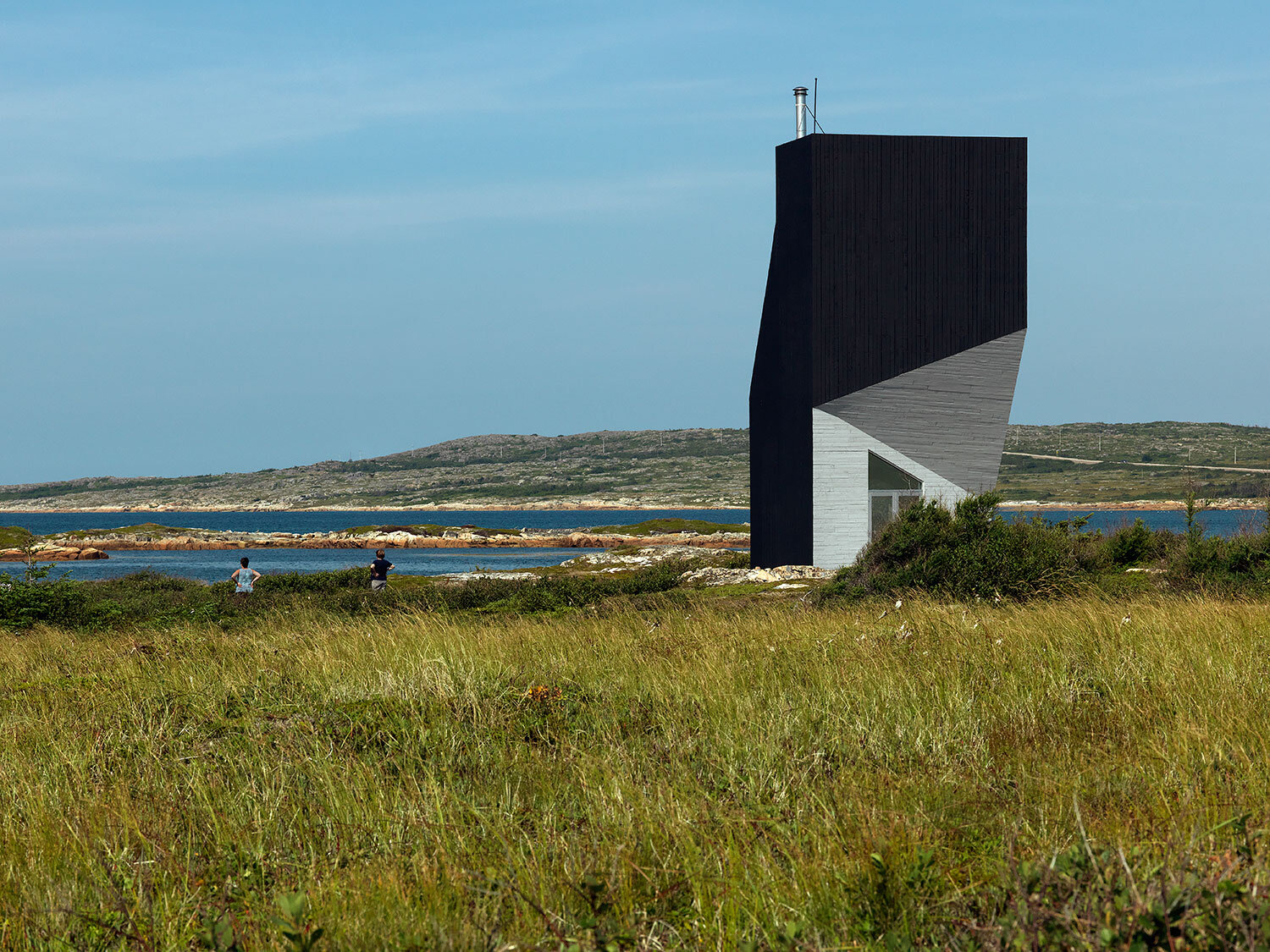
In addition to the hotel, Saunders designed a series of art studios for the island, each a unique piece of architecture harmonized with the natural surroundings. One of the most famous is the Tower Studio, a black angular structure that contrasts with the surrounding cliffs and sea.
Sustainability philosophy
An important feature of architectural projects on Canada’s Fogo Island is their environmental and social focus. The Fogo Island Inn is owned by the Shorefast Foundation, a charitable foundation founded by Zita Cobb and her brothers to preserve the cultural and economic potential of the island’s traditional fishing community.
The hotel building is designed with eco-friendly and self-sufficient systems incorporating advanced technology to reduce energy and water consumption. Rainwater from the roof is collected into underground cisterns, filtered and used for technical needs. Solar thermal panels on the auxiliary building provide hot water for floor heating, laundry and kitchen equipment.
All building materials and interior furnishings were produced by local artisans where possible, creating jobs and supporting traditional skills. This philosophy of combining modern design with respect for local traditions and sustainability makes the project unique.
A synthesis of tradition and innovation
Cape Verde: modernization with respect for tradition
The context of the Cape Verdean island of Fogo also shows an interesting symbiosis between tradition and modern approaches. After the 2014 eruption, the process of rebuilding housing in the crater area was carried out with modern technology and materials, but while respecting traditional architectural forms and principles.
Local winemaking is also undergoing modernization of technological processes while maintaining traditional grape varieties and cultivation methods. Vineyards growing on volcanic slopes are a unique sight and an example of adapting traditional practices to extreme natural conditions.

The Canadian experience: innovation with respect for place
Architectural projects on Canada’s Fogo Island demonstrate how modern design can be inspired by local traditions without directly copying them. Fogo Island Inn and art studios do not replicate the forms of traditional buildings, but reflect their spirit and principles of local adaptation.
The interiors of the hotel and studios combine modern aesthetics with traditional materials, textiles and furniture created in collaboration with local artisans. This design approach not only creates a unique visual identity, but also promotes the preservation and development of traditional skills.
Tourism and cultural exchange
Ecotourism and cultural tourism
Both Fogo Islands are actively developing ecologically and culturally oriented tourism. On Cape Verdean Fogo, the main points of attraction are the volcano, traditional settlements in the crater, vineyards and coffee plantations. Of particular interest are the hiking trails along the slopes of the volcano, allowing you to see unique endemic plant species such as Língua de vaca and Cravo-babo, growing only on the slopes of the volcano at an altitude of about 1,300 meters.
On Canada’s Fogo, tourism development is linked to cultural initiatives, particularly the art residency program. Attracting artists, designers and other creative professionals promotes cultural exchange and the development of the island as a place where traditional lifestyles coexist with contemporary art and design.
Social entrepreneurship and sustainable development
An interesting feature of the Fogo Island Inn project is its business model. The hotel operates as a social enterprise, with all proceeds going to support the local community through the Shorefast Charitable Foundation. This approach demonstrates how modern design and tourism can contribute to the sustainable development of traditional communities.
Cape Verdean Fogo is also developing initiatives to support local coffee and wine producers, which contributes to the preservation of traditional practices and the economic development of the island.
Author Information

I’m a journalist specializing in urban issues and city politics in the Vancouver region, which I’ve covered since 1994, and I also have a strong focus on the iGaming industry. In this endlessly changing city, I cover a broad range of issues: from drug policy, bike lanes, billion-dollar development projects, homelessness, and garbage debates, to the rapidly evolving world of online gaming, including regulatory landscapes, technological advancements, and market trends. I write frequently for the Globe and Mail’s B.C. section and Report on Business. From 2008 to 2015, I had a regular column in Vancouver magazine, “Urban Fix,” which apparently resonated with readers so much that it earned me a few regional and national awards.
