

The birth of a city from the forest wilderness
In the heart of modern Vancouver, amidst the skyscrapers and bustle of the metropolis, lurks a small historic neighborhood where the city actually began – Gastown. This colorful neighborhood with cobblestone streets, Victorian architecture and a special, slightly European atmosphere has become a kind of bridge between the past and present of the Canadian city.
Gastown’s history began in 1867, when the first sawmill opened in this area on the shores of Burrard Inlet. The neighborhood that later became known as Gastown began to form around this industrial enterprise, the Hastings Mill sawmill. Captain Edward Stamp, a British entrepreneur, recognized the potential of the rich forest resources of the British Columbia coast and decided to establish a sawmill here, which originally bore his name – Stamp’s Mill.
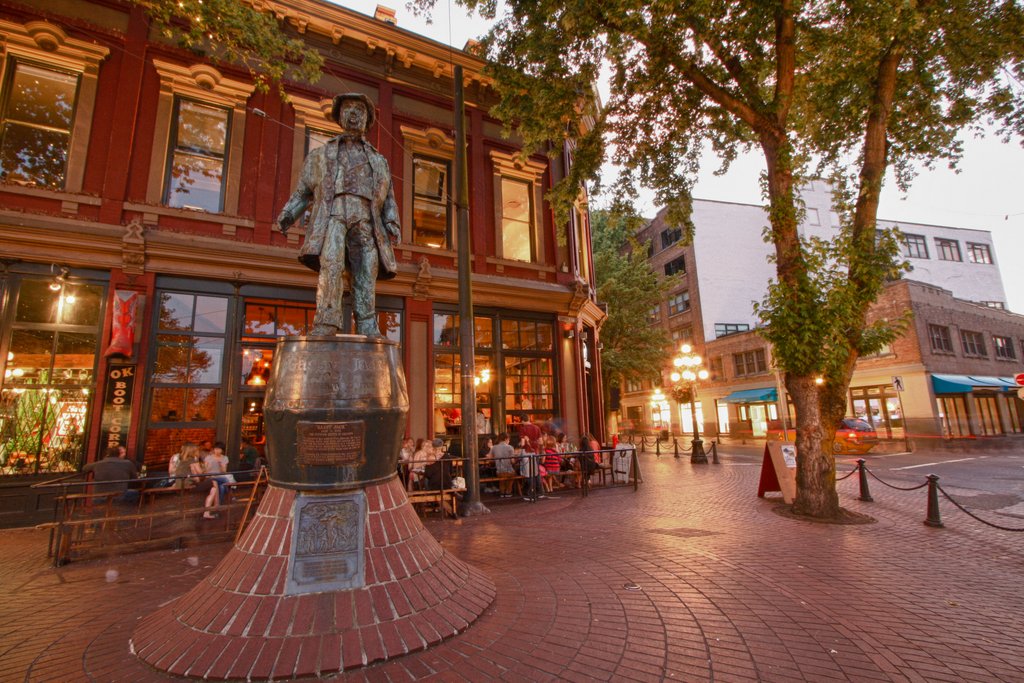
However, the real “father” of the area is considered to be a colorful personality – John Dayton, better known as “Gassy Jack” (Gassy Jack). This nickname, meaning “talkative,” was given to Jack for his love of long stories and tall tales. In 1867, Dayton, a Yorkshire sailor, steamboat captain and barman, arrived here by canoe with his dog and a keg of whisky. He had a simple but ingenious business idea – to open a saloon for sawmill workers. According to legend, Dayton offered the tired lumberjacks a drink in exchange for their help in building the tavern. The workers, hungry for a sip of liquor after a hard day’s work, quickly built him a wooden saloon called the Globe Saloon.
Soon new buildings began to appear around this drinking establishment. The settlement grew quickly and was given the informal name Gassy’s Town in honor of its founder, which later evolved into the modern Gastown. The nickname also “stuck” to the area that soon became known as Gassy’s Town – Gastown.
During this period, the area around the sawmill developed rapidly. The favorable location by the bay contributed to the area becoming a busy port and center of commerce. In 1870, the colonial government officially renamed Gastown to Granville, but locals continued to use the familiar name.
The Becoming of Vancouver and the Role of Gastown
A key event in the history of the area’s development was the construction of the Canadian Pacific Railway, which was completed in 1886. With the advent of railroad service, Gastown became connected to the rest of Canada, which facilitated an influx of new settlers and resources. That same year, 1886, Granville was officially renamed Vancouver and granted city status.
The city was named “Vancouver” in honor of British Captain George Vancouver, who explored these shores as early as 1792, almost a century before the city was founded. Gastown became the centerpiece of young Vancouver, its business and commercial heart. It was home to the stores, businesses, hotels and other establishments necessary for a growing city.
However, fate was not always favorable to the young city. on June 13, 1886, just a few months after its founding, Vancouver was almost completely destroyed by fire. The fire, which started while clearing land nearby, spread quickly due to strong winds and turned the city’s wooden buildings into ashes. According to various estimates, between 600 and 1,000 buildings burned. Surprisingly, the town rebuilt quickly – by early 1887, most of the destroyed buildings had been rebuilt, many of them of brick, making them more resistant to fire.
After rebuilding, Gastown continued its development as a commercial center of the city. In the late 19th and early 20th centuries, many buildings were constructed here that are now considered architectural monuments: Hotel Europe (the first concrete hotel in Canada, built in the Flatiron style), the Dominion Building (once the tallest building in the British Empire), the Alhambra Hotel and others. These Edwardian and Victorian style structures today give the neighborhood its distinctive appearance and historical value.
A period of decline and revitalization
By the mid-twentieth century, Gastown had experienced significant decline. With the development of Vancouver’s new business districts, the historic center gradually lost its importance. Many companies moved to modern buildings in other parts of the city, and Gastown’s old Victorian and Edwardian buildings began to fall into disrepair.
During the 1950s and 60s the area became a deprived place where poverty, crime and drug addiction flourished. Many buildings were in disrepair, in need of repair or abandoned. During this period, the city authorities even considered the possibility of complete demolition of Gastown for the construction of an expressway, which would have completely destroyed the historical appearance of the area.
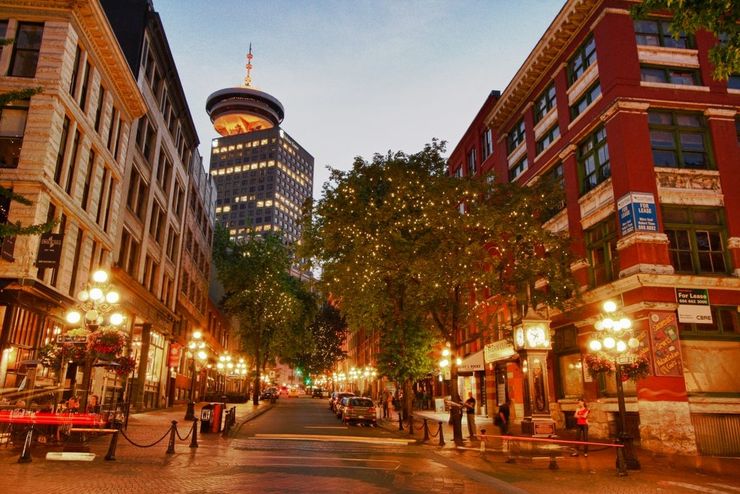
However, the fate of Gastown was changed by the activism of local residents and historians, who in the late 1960s organized a movement to preserve the historical heritage of the district. Thanks to their efforts, in 1971 the provincial government of British Columbia declared Gastown a legally protected historic area. This decision saved the neighborhood from destruction and began its revitalization.
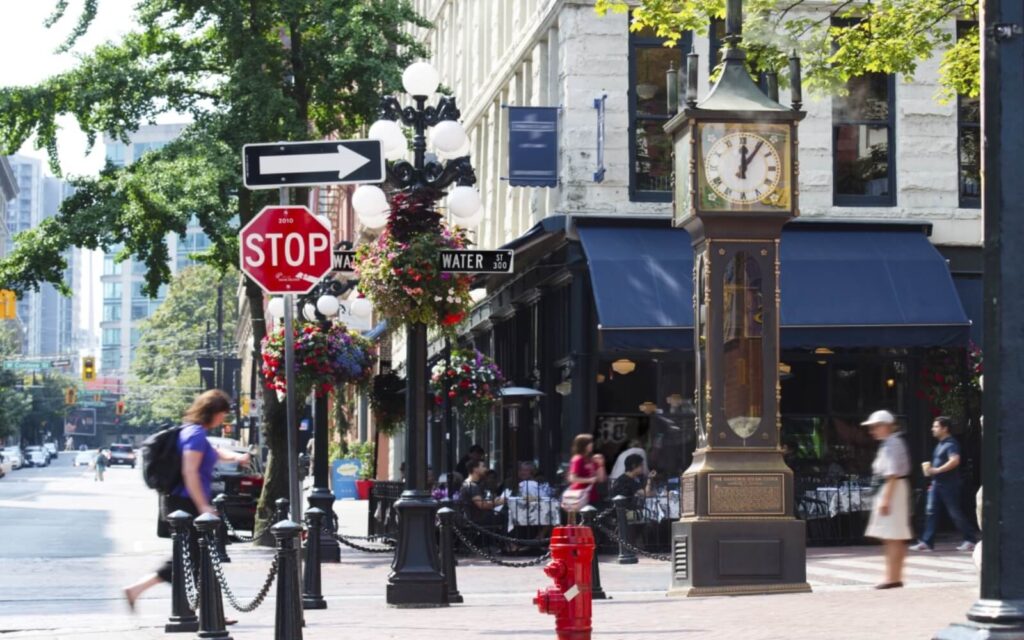
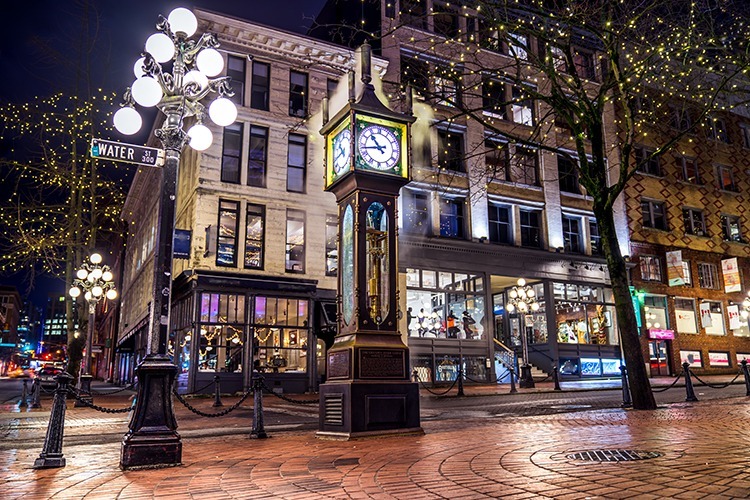
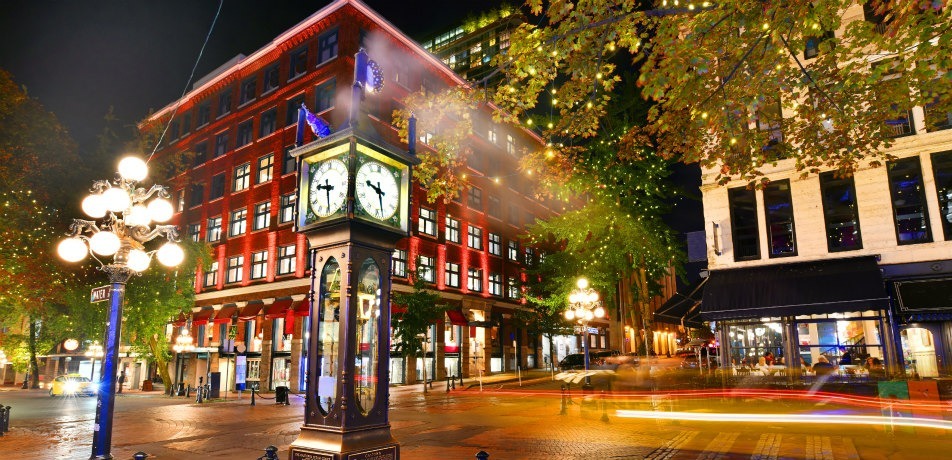
The following decades saw the gradual renovation and restoration of Gastown’s historic buildings. The city authorities invested heavily in improving the district’s infrastructure: paved streets were restored, stylized street lamps were installed, small squares and public gardens were created. One of the symbols of the renewed Gastown was the steam clock at the corner of Cambie and Water Street, installed in 1977.
The famous steam clock
The Gastown Steam Clock has become one of the most recognizable landmarks not only of the district, but of all of Vancouver. This unusual design was created by clockmaker Raymond Saunders in 1977 at the request of city officials. The clock was installed over an old steam grate to conceal it while creating an attractive tourist attraction.
Despite the name, the clock’s mechanism is primarily powered by electricity, although a steam component is also present. Every hour, the clock releases puffs of steam and plays a tune – “Westminster Chimes” – on steam-powered whistles. Every 15 minutes, the clock releases a small amount of steam and emits a short whistle. The steam clock has become a magnet for tourists who gather around it waiting for the next “performance”.
Interestingly, although the steam clock looks like an antique, it was built relatively recently and was intended more as a tourist attraction than as a historical heritage site. Nevertheless, they fit perfectly into the atmosphere of the old neighborhood and became an integral part of it.
Gastown today: a trendy neighborhood with historical charm
Today, Gastown is a unique combination of historical heritage and modern trends. The neighborhood has successfully transformed from an industrial area to a trendy cultural and commercial district without losing its authenticity and charm.
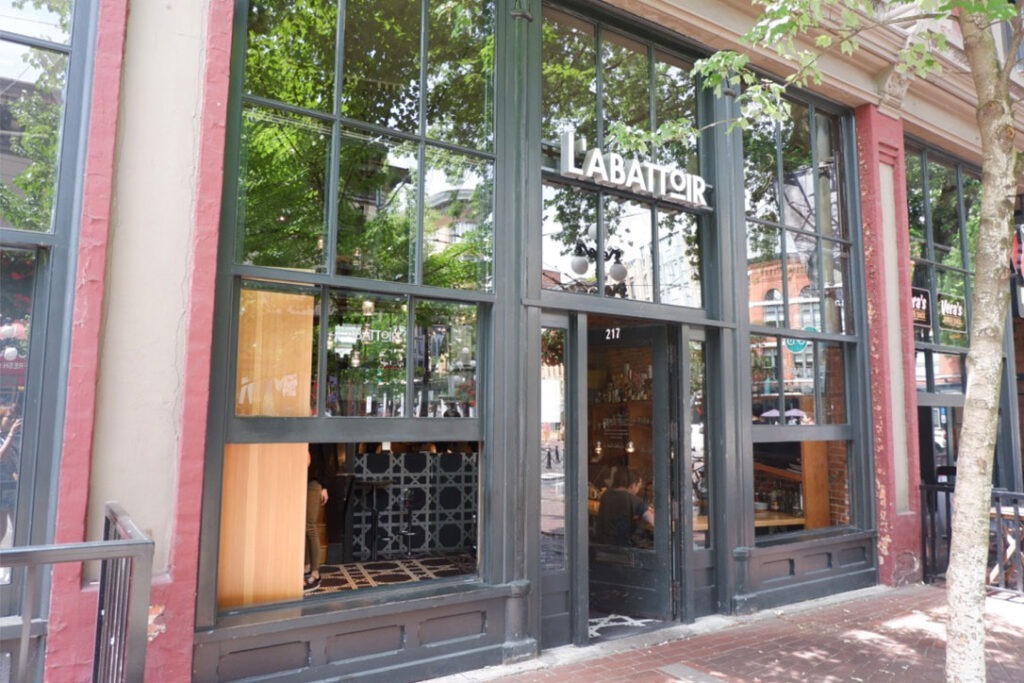
Gastown’s gentrification process began in the 1980s and particularly intensified at the turn of the 21st century. The reasons for the gentrification of the area were initially connected with the attraction of creative intellectuals – artists, designers, bohemians, who were attracted by the relatively low rents and the special atmosphere of the old neighborhood. Over time, as Gastown became popular, fashionable stores, restaurants, galleries and other establishments began to open here, targeting a more affluent public.
Today, the historic district is home to designer boutiques, art galleries, trendy cafes and fine dining restaurants. The variety of cultural and entertainment venues has made Gastown a popular destination for locals and tourists alike.
According to census data, the incomes of residents in Gastown and neighboring Chinatown have nearly doubled in the past 10 years, indicating significant socioeconomic changes in the neighborhood. Gentrification has brought new life to Gastown, but it has also caused some challenges, including rising housing costs and displacement of the less affluent.
One of the features of modern Gastown is the harmonious coexistence of historic architecture and modern design. Many old buildings have been skillfully reconstructed, retaining their historic facade but completely renovated inside to modern standards. As a result, visitors to the area can admire the Victorian and Edwardian architecture on the outside and enjoy modern comforts inside the buildings.
Gastown’s architectural heritage
Gastown’s architecture is a veritable treasure trove of historic styles. Most of the buildings in the neighborhood were built between 1886 (after the great fire) and the beginning of the First World War. This period coincided with an era of economic prosperity in Vancouver, which was reflected in the scale and quality of construction.
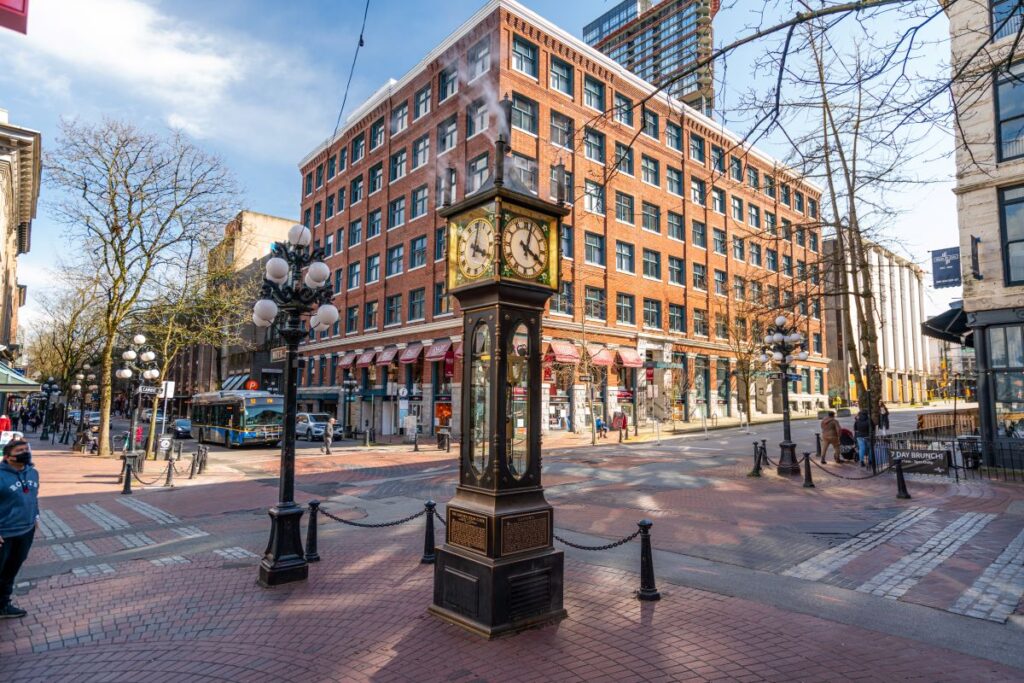
Many of Gastown’s buildings were constructed in the Victorian, Edwardian or Italianate styles popular in the late nineteenth and early twentieth centuries. These structures are characterized by elegant red brick facades, decorative cornices, arched windows and doors, and an abundance of architectural embellishments.
Among Gastown’s most notable historic buildings are:
HotelEurope – Built in 1909 in the Flatiron (“iron”) style, this six-story hotel with its distinctive triangular shape has become one of the symbols of the neighborhood. The building was the first reinforced concrete hotel in Western Canada and is a smaller version of the famous Flatiron Building in New York City.
DominionBuilding – Completed in 1910, this 13-storey neo-Gothic structure was for a time the tallest building in the British Empire. It features a red brick façade and a tall copper dome, which over time has taken on a distinctive greenish hue due to oxidation.
Alhambra Building – Built between 1886 and 1887, just after the Great Fire, this three-story mansion is a fine example of Victorian commercial architecture. Originally a hotel, the building now houses a variety of stores and offices.
Byrne Block – Built in 1887, this three-story red brickhouse is one of Vancouver’s oldest surviving buildings. It is famous for its decorative features and arched windows.
It is important to note that many of these historic buildings were saved from demolition through the efforts of local activists and recognition of the historic value of the area in 1971. Today, Gastown’s architectural heritage is protected by law, and any alterations or renovations must adhere to strict regulations aimed at preserving the historic appearance of the neighborhood.
The cultural life of modern Gastown
Modern Gastown is not only a historic district with beautiful architecture, but also a vibrant cultural center of Vancouver. There is a concentration of galleries, exhibition spaces, creative studios and cultural institutions that make the neighborhood attractive to arts people and their fans.
One of Gastown’s notable cultural phenomena has been the development of the local art scene. A plethora of independent galleries showcase the work of both established and emerging artists. There is a special focus on Native Canadian art – the area is home to several galleries specializing in traditional and contemporary Native American art.
Gastown is also known for its regular cultural events. There are festivals, exhibitions, music concerts and other events that attract locals and tourists alike. Especially popular is the Gassy Jack Days festival, which is dedicated to the neighborhood’s founder and its history.
The neighborhood has an active music scene, with numerous bars and clubs providing venues for local musicians and DJs to perform. Gastown has become one of the centers of Vancouver’s nightlife, where you can find venues for every taste: from traditional pubs to trendy cocktail bars and dance clubs.
Another aspect of the neighborhood’s cultural life has been the gastronomic scene. Gastown is home to some of Vancouver’s best restaurants, offering both traditional Canadian cuisine and dishes from around the world. Many of these restaurants emphasize the use of local, seasonal produce and espouse a farm-to-table philosophy.
Interestingly, Gastown’s cultural landscape is constantly changing and evolving. The neighborhood attracts creative entrepreneurs who open unusual establishments that combine historic charm with modern concepts. For example, conceptual coffee shops, craft breweries, designer showrooms and other innovative spaces can be found in old buildings.
Gastown as a fashion and design center
Over the past two decades, Gastown has emerged as one of Vancouver’s premier fashion and design centers. The narrow streets of the neighborhood are filled with independent designer boutiques, concept stores and showrooms offering clothing, accessories, interior design and other designer goods.
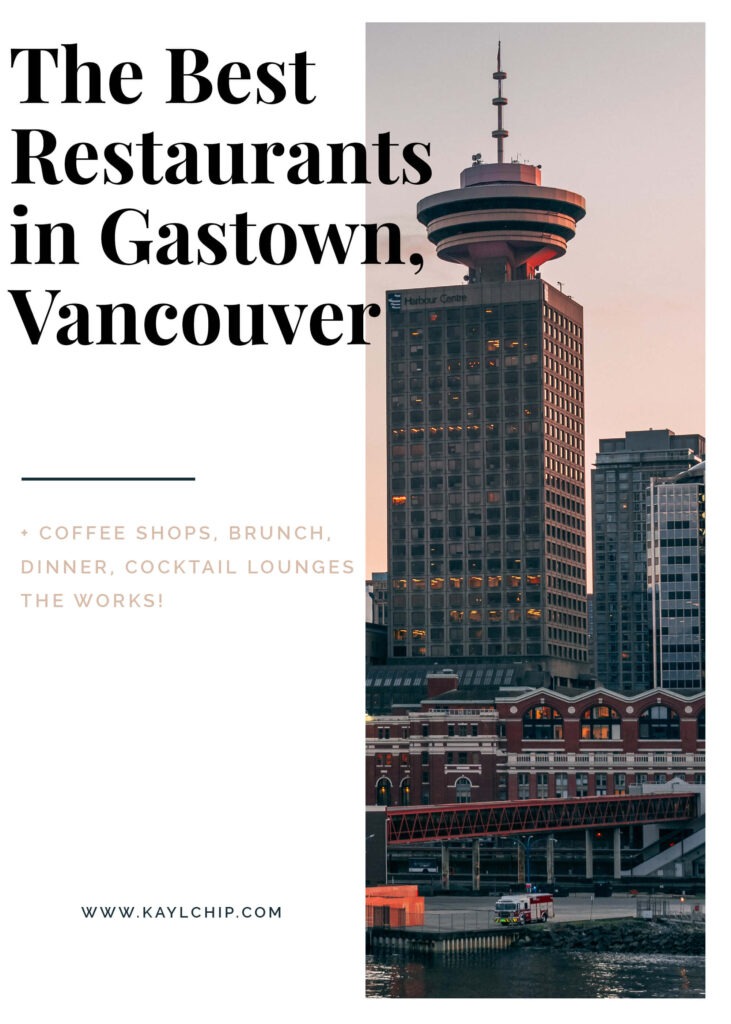
Many Canadian designers have chosen Gastown to open their flagship stores, attracted by the neighborhood’s special atmosphere and its reputation as a center of modern urban culture. Both established brands and emerging designers can be found here, creating an interesting mix of high fashion and street style.
Gastown’s fashion scene is characterized by an emphasis on local production, sustainability, and ethical fashion. Many stores in the neighborhood offer products created with minimal environmental impact, clothing made from recycled materials or produced in accordance with fair trade principles.
The neighborhood also regularly hosts fashion events such as fashion shows, collection launches, designer marquets, and other events related to the fashion world. These events attract not only locals but also visitors interested in current trends in design and fashion.
In addition to fashion boutiques, Gastown is home to many stores specializing in interior design, furniture and home décor. Many of them offer unique handcrafted items, antiques, or designer items that are hard to find in other areas of the city.
Gastown’s tourism potential
With its unique history, architecture and modern urban culture, Gastown has become one of Vancouver’s top tourist destinations. Hundreds of thousands of tourists from around the world visit the area each year, attracted by its special atmosphere and attractions.
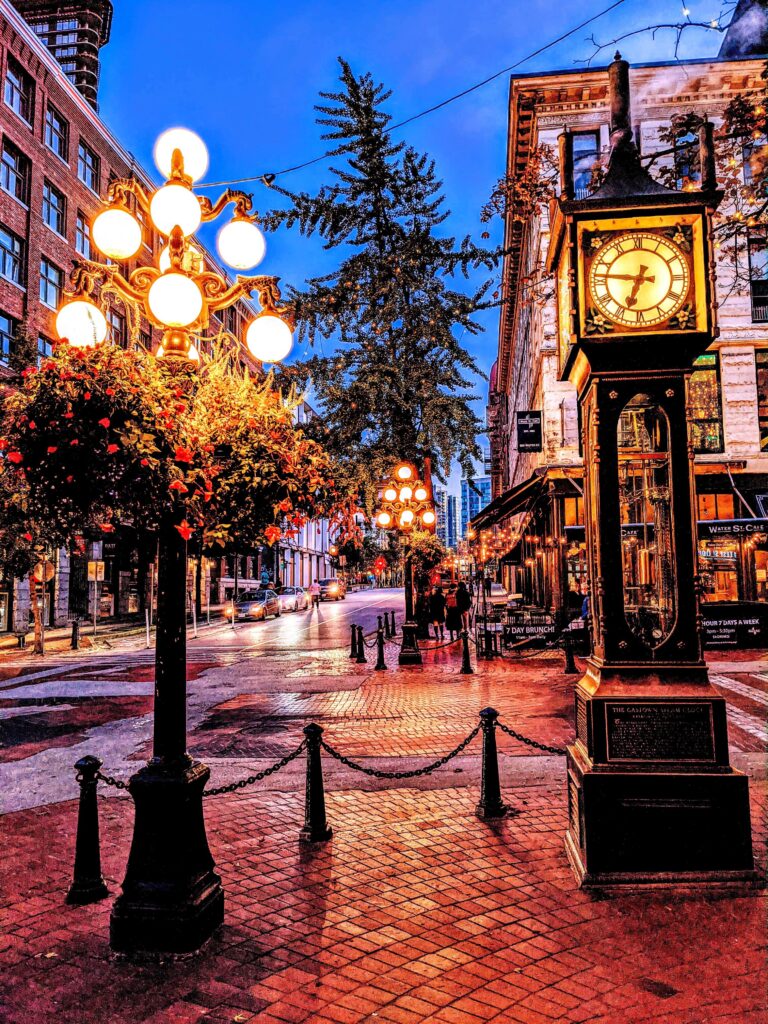
The main tourist attractions in Gastown are:
Gastown Steam Clock – Installed in 1977 at the corner of Water and Cambie Streets, this clock has become one of the symbols not only of the neighborhood, but of all of Vancouver. Every hour, they release puffs of steam and play a tune on steam whistles, attracting many tourists.
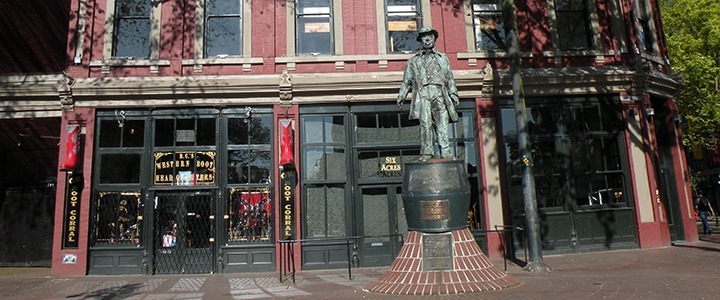
The“Gussy Jack” statue is a monument to the neighborhood’s founder, John “Gussy Jack” Dayton, erected in Maple Tree Square. The statue depicts the colorful character standing on a barrel of whiskey, which references the story of the founding of the first saloon in the area.
Cobblestone Streets – Gastown’s historic stone-paved streets create a distinctive neighborhood atmosphere and transport visitors back in time. The most famous is Water Street, the main artery of the neighborhood.
Historic buildings – numerous surviving Victorian and Edwardian buildings are points of interest for tourists with a passion for architecture and history. The Europa Hotel, the Dominion Building and other historic structures stand out.
Vancouver Police Museum – located in the building of the former morgue, this unusual museum tells about the history of law enforcement agencies of the city and the most high-profile crimes of the past.
For the convenience of tourists, special walking tours are organized in the area, during which guides talk about the history of Gastown, its architecture and culture. Night “ghost tours” are also popular, during which tourists are told urban legends and stories about paranormal phenomena that allegedly took place in the old buildings of the district.
An important part of Gastown’s tourist infrastructure are the numerous souvenir stores offering a variety of memorabilia, from traditional magnets and postcards to local artisans and indigenous Canadian artwork.
Issues and Challenges of Contemporary Gastown
Despite the undoubted successes in the revitalization and development of Gastown, the area faces a number of issues and challenges common to many historic districts undergoing gentrification.
One major challenge is social inequality and the contrast between trendy restaurants and boutiques on one side and poverty, homelessness, and drug abuse on the other. Gastown borders the Downtown Eastside, one of Vancouver’s most troubled neighborhoods known for high rates of drug abuse and homelessness. This neighborhood creates some tension and challenges for locals and businesses, as well as tourists.
The gentrification of the neighborhood has led to a dramatic increase in property values and rental rates, displacing many former residents and small businesses unable to compete with large companies and chain establishments. This is of concern to those who see this process as a threat to the authenticity and cultural diversity of the neighborhood.
Another challenge is maintaining a balance between historic heritage and modern development. Strict regulations governing renovation and construction in the historic district sometimes create obstacles to new projects and infrastructure upgrades. On the other hand, there are concerns that excessive commercialization may lead to a loss of the historic charm of the district.
Transportation and infrastructure challenges are also relevant to Gastown. The narrow streets, many of which are cobblestone, are not designed for the heavy traffic typical of a modern city. This creates difficulties for both motorists and pedestrians, especially during the tourist season when the area is crowded with visitors.
Plans for the future: the revitalization of Gastown continues
Vancouver city officials are not resting on their laurels and are developing new plans to further develop and revitalize Gastown. The Gastown Public Spaces Plan includes improving the area’s public spaces, creating new pedestrian areas, greening streets and upgrading infrastructure.
For 2023-2026, $10 million is allocated to rehabilitate and improve Gastown’s streets and public spaces. This work includes repairing paved streets, upgrading street lighting, and creating new public gardens and plazas. Special attention is paid to the creation of a barrier-free environment accessible to people with disabilities.
One of the most ambitious projects is the redevelopment of the Waterfront railway station and the surrounding area. This project involves the creation of a new transportation hub with an extension of the rail infrastructure under a large atrium, and the construction of a mixed-use development with offices, housing and public spaces. The buildings of the complex will range in height from mid- to high-rise (up to 50 stories). The project is intended to improve Gastown’s connection to the waterfront and create a new urban landmark.
Another important project is the redevelopment of Blood Alley, a historic site named for the butcher shops and slaughterhouses located there in the past. The Blood Alley Mixed-Use Development will create 142 residential units, including 80 affordable apartments and 62 market-rate rental units. The project is designed to preserve the historic identity of the site while addressing neighborhood issues through thoughtful urban design and community engagement. Interestingly, the name “Bloody Lane” originally comes from the butcher shops and slaughterhouses that operated here in the late 19th century. Legend has it that the alley also became a haven for criminals and murderers because the blood spilled on the old cobblestone sidewalk was hard to discern among the existing butcher shop stains.
An important part of Gastown’s development strategy is to preserve its cultural heritage and support local businesses. The city authorities are developing support programs for independent entrepreneurs, artists and craftsmen in order to preserve the unique atmosphere of the area and prevent its over-commercialization and standardization.
There is a strong emphasis on addressing social issues specific to Gastown and the surrounding Downtown Eastside neighborhood. Programs are being developed to support homelessness, substance abuse treatment, mental health care, and social adjustment. The goal of these programs is not just to “clean” the neighborhood of problematic elements, but to truly help those in need and create an inclusive urban environment.
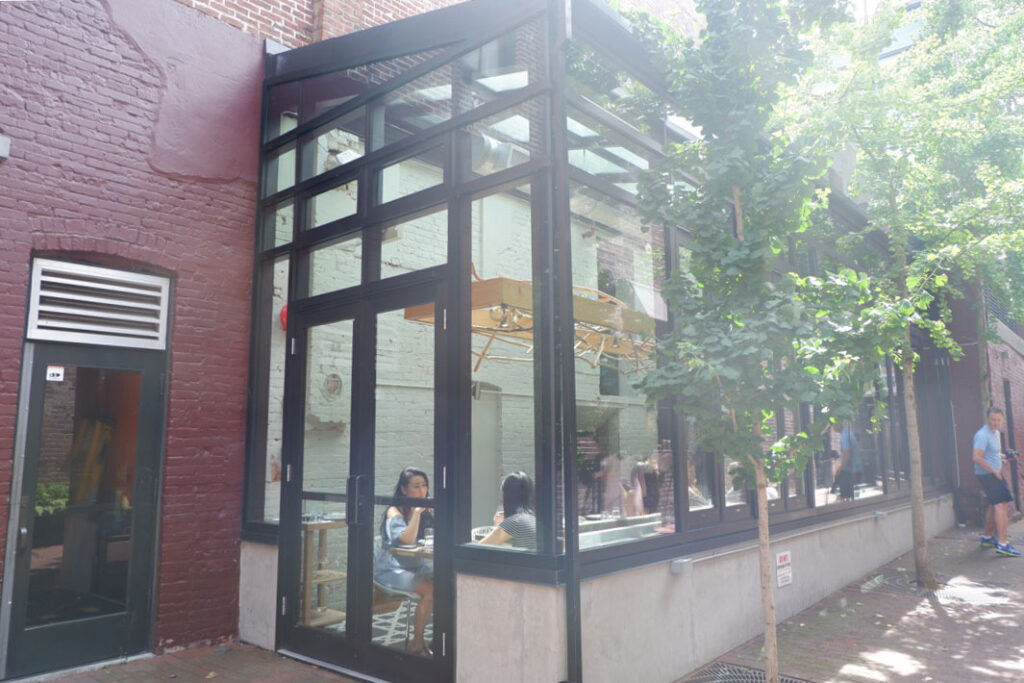
Environmental sustainability is also becoming a priority in the development of Gastown. New projects must meet strict environmental standards, focusing on building energy efficiency, renewable energy, creating green spaces, and supporting sustainable modes of transportation.
Gastown as a crossroads of cultures
Since its founding, Gastown has been a meeting place for different cultures and traditions. This trend continues today as the neighborhood has become a cultural melting pot of different ethnicities, cultures and social backgrounds.
A special place in the cultural mosaic of Gastown is occupied by the indigenous peoples of Canada. Before the arrival of Europeans, the territory of present-day Vancouver was inhabited by the Squamish, Musqueam and Tsleil-Waututh Indians. Today, their presence in Gastown is felt through arts, crafts and cultural events. The area is home to galleries specializing in traditional and contemporary indigenous art, as well as stores offering the works of Native American artisans.
Gastown has also become home to many immigrants from around the world. The Asian influence is particularly noticeable due to the neighborhood’s proximity to Chinatown, one of the largest Chinatowns in North America. European traditions are evident in the architecture, cooking, and general cultural heritage.
The diversity of cultures is reflected in the neighborhood’s gastronomic scene. Gastown is home to restaurants serving cuisine from all corners of the world, from traditional Canadian cuisine to Asian, European, Middle Eastern and Latin American. Many establishments experiment with fusion cuisine, creating interesting combinations of different culinary traditions.
Cultural diversity is also evident in the artistic life of the neighborhood. Local galleries showcase the work of artists of different ethnicities and artistic traditions. Intercultural festivals and events are regularly held in Gastown to promote dialog and understanding between different cultures.
Gastronomic Renaissance of Gastown
In recent years, Gastown has become a true mecca for foodies. The area has become Vancouver’s center of culinary innovation, with talented chefs experimenting with local ingredients and different culinary traditions.
Gastown’s gastronomic scene is diverse, ranging from haute cuisine in Michelin-starred restaurants to democratic establishments with simple but quality food. Many restaurants are housed in historic buildings, where modern interiors harmoniously combine with historical elements to create a unique atmosphere.
One of the features of Gastown’s restaurants is the emphasis on local, seasonal produce. Chefs work closely with local farmers, fishermen and producers, allowing them to offer fresh, quality ingredients with minimal environmental impact. This farm-to-table philosophy has become a hallmark of many of the area’s establishments.
Gastown is also home to a vibrant craft beer culture. The neighborhood has become home to several microbreweries offering unique beers brewed to original recipes. Steamworks Brewing Company, located on Water Street, is one of Vancouver’s oldest craft breweries and attracts locals and tourists alike.
Cocktail culture is also booming in Gastown. Many stylish bars have opened in the area, specializing in classic and signature cocktails. Some of them are decorated in the style of Prohibition-era speakeasy bars, which creates a special atmosphere of mystery and exclusivity.
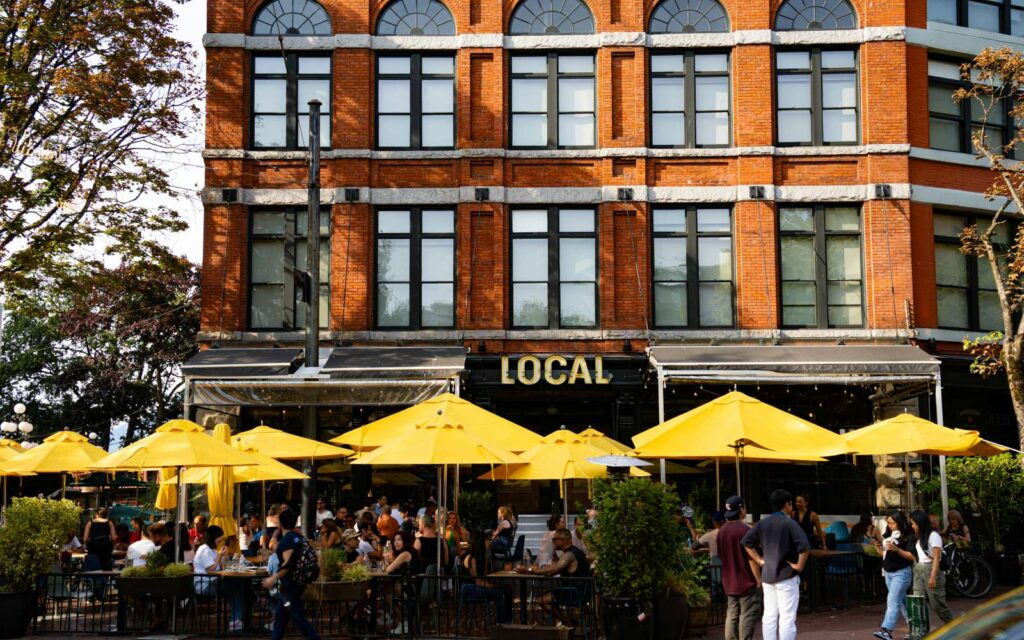
Gastown’s cafes and coffee shops also deserve a special mention. The area has become the center of Vancouver’s third wave of coffee culture, where baristas treat coffee making as an art form, paying attention to every detail – from roasting beans to water temperature and extraction techniques.
Creative economy and innovation
Modern Gastown has become not only a center of culture and entertainment, but also an important hub for Vancouver’s creative economy. In recent years, numerous startups, technology companies, design studios, advertising agencies and other creative industries have settled in the neighborhood.
Gastown’s vintage warehouses and industrial buildings have been transformed into modern lofts and office spaces while retaining its industrial charm. High ceilings, large windows, original brickwork and wooden beams create a unique working environment that fosters creativity and innovation.
The creative economy is fostered by the presence of educational institutions in and around the area, such as the Simon Fraser University branch and the Vancouver Film School. These institutions train professionals in design, digital media, film and other creative disciplines, many of whom later stay to work in Gastown.
Co-working and co-working spaces, of which there are many in Gastown, play an important role in fostering a creative environment. These spaces provide freelancers, entrepreneurs and small companies with access to office infrastructure and opportunities for networking, sharing and collaboration.
Gastown’s creative industries range from traditional art forms to innovative technology. Web design and software development studios, architecture firms, marketing agencies, production companies and many other creative businesses are based in the neighborhood.
The close proximity of various creative businesses fosters synergies and cross-disciplinary collaborations. For example, tech startups can work together with design studios to create innovative products, and movie producers can collaborate with music companies to create soundtracks for their projects.
Living in a historic neighborhood: benefits and challenges
Living in Gastown has its own unique advantages and challenges that make the neighborhood particularly attractive to certain groups of people, particularly young professionals, artists, designers, and other members of the creative class.
The advantages of living in Gastown include:
Central location and transportation accessibility. Gastown is located in the heart of Vancouver, within walking distance to the downtown business district, major offices, shopping centers and cultural venues. There is a Waterfront SkyTrain (urban rapid transit) station in the area, providing convenient access to other parts of the city and suburbs.
Rich cultural heritage and unique atmosphere. Gastown residents can enjoy the neighborhood’s historic charm, architecture, and special atmosphere not found in newer urban neighborhoods.
Cultural life and entertainment. There is a concentration of cultural institutions, restaurants, bars, clubs and other entertainment venues in Gastown and the immediate neighborhood, providing a rich social life.
Professional Opportunities. With the neighborhood’s many creative companies and startups, living in Gastown can open up additional career opportunities for professionals in design, art, technology, and other creative industries.
However, living in a historic neighborhood also comes with certain challenges:
High housing costs. Gastown is one of the most expensive neighborhoods in Vancouver in terms of property values and rent. According to census data, the incomes of neighborhood residents have nearly doubled over the past decade, indicating a significant socio-economic shift.
Social Challenges. The proximity to the Downtown Eastside, a neighborhood with high rates of homelessness, substance abuse, and other social problems, creates some inconveniences for residents. A stark contrast between luxury condominiums and social disadvantage issues can be seen in some parts of Gastown.
Noise and tourist activity. Gastown is a popular tourist destination, which means there is a constant flow of visitors, especially during the summer months and weekends. In addition, the neighborhood’s active nightlife can create noise pollution for local residents.
Limitations of historic buildings. Living in a historic building can come with certain inconveniences – limited opportunities for modernization, utility problems, the need to comply with strict renovation regulations, etc.
Despite these challenges, Gastown remains an attractive place to live for those who appreciate its unique atmosphere and are willing to put up with some inconveniences for the opportunity to live in the heart of the city’s historic and cultural center.
Gastown in art and popular culture
The colorful and atmospheric Gastown has repeatedly attracted the attention of filmmakers, writers and other creative people, becoming the setting for films, television series, books and other works of art.
The movie industry has taken a special liking to Gastown’s authentic streets. Thanks to the preserved historic buildings, the neighborhood can “play the role” of different cities of different eras – from 19th century San Francisco and New York to modern European cities. This attracts numerous movie crews to Gastown, both Hollywood blockbusters and independent films.
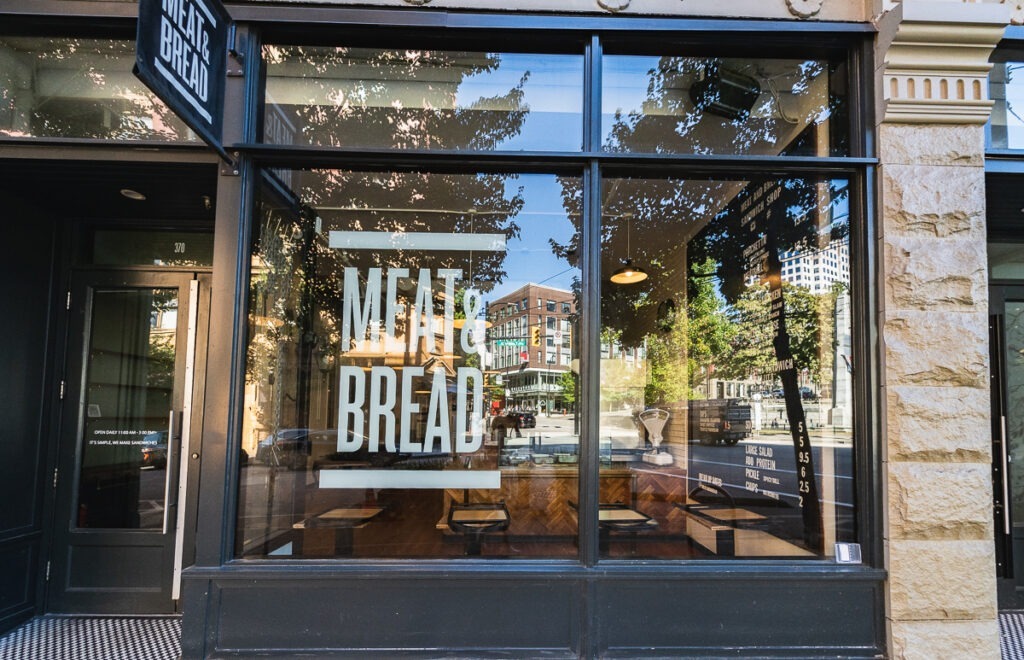
Notable movies and TV series filmed in Gastown include I, Robot, Westworld, Deadpool, Once Upon a Time, Supernatural, and many others. In some cases, the neighborhood “plays itself”; in others, film makers use its atmospheric streets to recreate other places and times.
Literary works also often refer to Gastown as a place of action or an important element of the narrative. The neighborhood appears in detective novels, historical works, and contemporary prose. Authors often use the neighborhood’s rich history, atmosphere, and architecture to create a vivid backdrop for their stories.
Music has not been left out either – Gastown, with its many clubs, bars and live music venues, has become an important center of Vancouver’s music scene. Many local musicians draw inspiration from the atmosphere of the neighborhood, and some even dedicate their works to it.
The visual arts actively look to Gastown as a subject of representation. The neighborhood’s street scenes, historic buildings, and cityscapes become subjects for paintings, graphic works, and photographs. Many artists and photographers capture the contrasts of the neighborhood – the combination of old and new, historic and modern, luxury and poverty.
In recent years, Gastown has increasingly become the focus of social media and bloggers. The neighborhood’s photogenic streets, cafes, restaurants, and stores are regularly featured on Instagram, YouTube, and other social platforms, bringing attention to Gastown and contributing to its growing popularity among tourists.
Pandemic impact and neighborhood recovery
The COVID-19 pandemic, which began in 2020, hit Gastown, as well as many other historic districts and tourist centers around the world, hard. Restrictions on international travel have led to a sharp decline in tourist traffic, while lockdowns and social distancing have forced many restaurants, bars, stores and other businesses to temporarily close or significantly reduce their operations.
Tourist-oriented businesses such as souvenir stores, travel agencies, and tour companies were particularly hard hit. Restaurants and bars, which make up a significant part of business in the area, also faced serious financial difficulties. Some have been forced to close permanently, unable to withstand the economic pressures.
The pandemic also exacerbated social problems in the neighborhood and surrounding areas. With the closure of many social services and facilities, the problems of homelessness, substance abuse, and mental illness became more prominent. The reduced flow of visitors and tourists made the streets of Gastown less busy, which in some cases led to increased crime and feelings of insecurity.
However, despite the challenges, Gastown has shown remarkable resilience and adaptability. Many businesses quickly reoriented themselves to the new environment – restaurants developed delivery and take-out services, stores moved online, and cultural institutions began offering virtual tours and events.
As restrictions eased and tourism activity resumed, Gastown began to gradually recover. Many locals, in an effort to support their beloved neighborhood, purposefully visited its restaurants, cafes, and stores. City officials also developed a number of support programs for small businesses and cultural organizations, helping them overcome the effects of the pandemic.
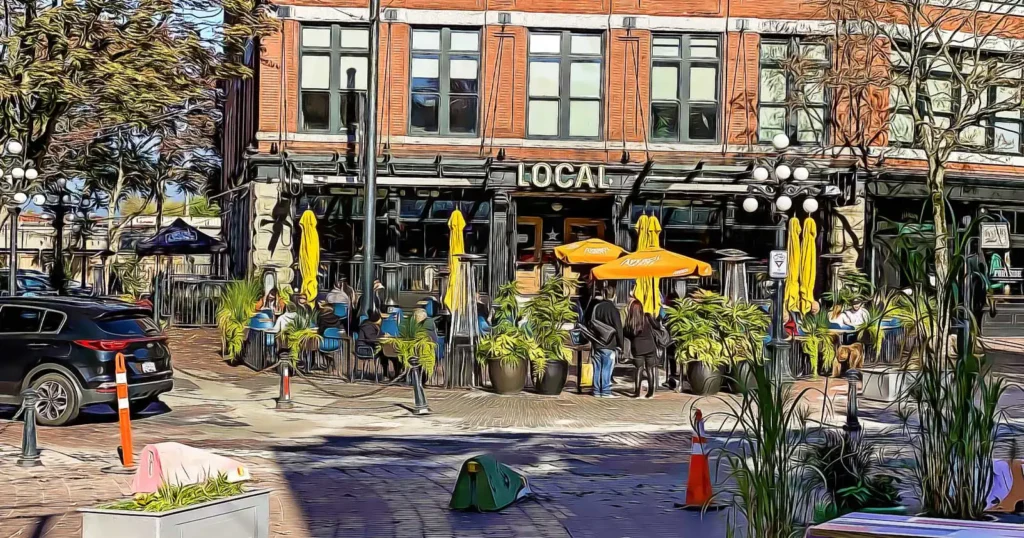
One of the positive changes brought about by the pandemic was the expansion of open spaces and restaurant terraces. Many establishments were allowed to use sidewalks and parking lots to create outdoor dining areas, which not only helped them survive the indoor restrictions, but also added additional life and European charm to the streets of Gastown.
Between 2022 and 2023, with the return of international tourism and the complete lifting of restrictions, Gastown showed signs of full recovery. While some businesses have closed permanently, new ones have opened in their place, often offering innovative concepts and fresh ideas. This demonstrates the continued evolution of the neighborhood and its ability to adapt to changing conditions.
Conclusion: Gastown as a symbol of transformation and revitalization
The story of Gastown, from its humble beginnings as a settlement around a sawmill to its transformation into a trendy cultural district, reflects the broader history of development and transformation of Vancouver and many other North American cities. It traces the evolution of urban space from industrialization and growth through decline and abandonment to revitalization and gentrification.
Gastown can serve as a successful example of historic preservation and its integration into a modern urban environment. Unlike many other cities where historic districts have been completely demolished for the sake of “modernization”, Vancouver has managed to preserve this corner of its history, turning it into a lively, dynamic neighborhood rather than a frozen museum. The historic buildings have been given a new life and a new purpose, continuing to serve the city and its residents, but in a new capacity.
At the same time, the experience of Gastown demonstrates the problems associated with the process of gentrification – the displacement of the less affluent, the growth of social inequality, the risk of losing authenticity and cultural diversity. These challenges require attention and integrated solutions from city authorities, businesses and civil society.
The future of Gastown, like many other historic districts around the world, will depend on how successfully the different interests and needs – historic preservation and modernization, commercial development and social justice, tourist attraction and convenience for local residents – can be balanced.
Already, however, it is safe to say that Gastown has demonstrated an amazing ability to transform and adapt while maintaining its unique identity. From sawmill to trendy neighborhood, the neighborhood’s journey is a prime example of how history can not only be preserved, but also seamlessly woven into modernity, enriching the urban environment and creating a unique cultural space that appeals to residents and visitors alike.
Gastown remains a special place for Vancouver – its historical and cultural heart, a living reminder of where the city began and a testament to its capacity for renewal and growth. This small neighborhood with its cobblestone streets, historic buildings and famous steam clock has become not only a tourist attraction but also a symbol of the city’s identity, an important part of what makes Vancouver unique and recognizable.
Finally, the experience of Gastown’s rehabilitation and development can serve as an inspiration and model for the preservation of historic districts in other cities, proving that old and new, history and modernity can not only coexist but also enrich each other, creating a vibrant, dynamic and diverse urban environment.
Author Information

I’m a journalist specializing in urban issues and city politics in the Vancouver region, which I’ve covered since 1994, and I also have a strong focus on the iGaming industry. In this endlessly changing city, I cover a broad range of issues: from drug policy, bike lanes, billion-dollar development projects, homelessness, and garbage debates, to the rapidly evolving world of online gaming, including regulatory landscapes, technological advancements, and market trends. I write frequently for the Globe and Mail’s B.C. section and Report on Business. From 2008 to 2015, I had a regular column in Vancouver magazine, “Urban Fix,” which apparently resonated with readers so much that it earned me a few regional and national awards.